



The Legacy of Captain Kaur
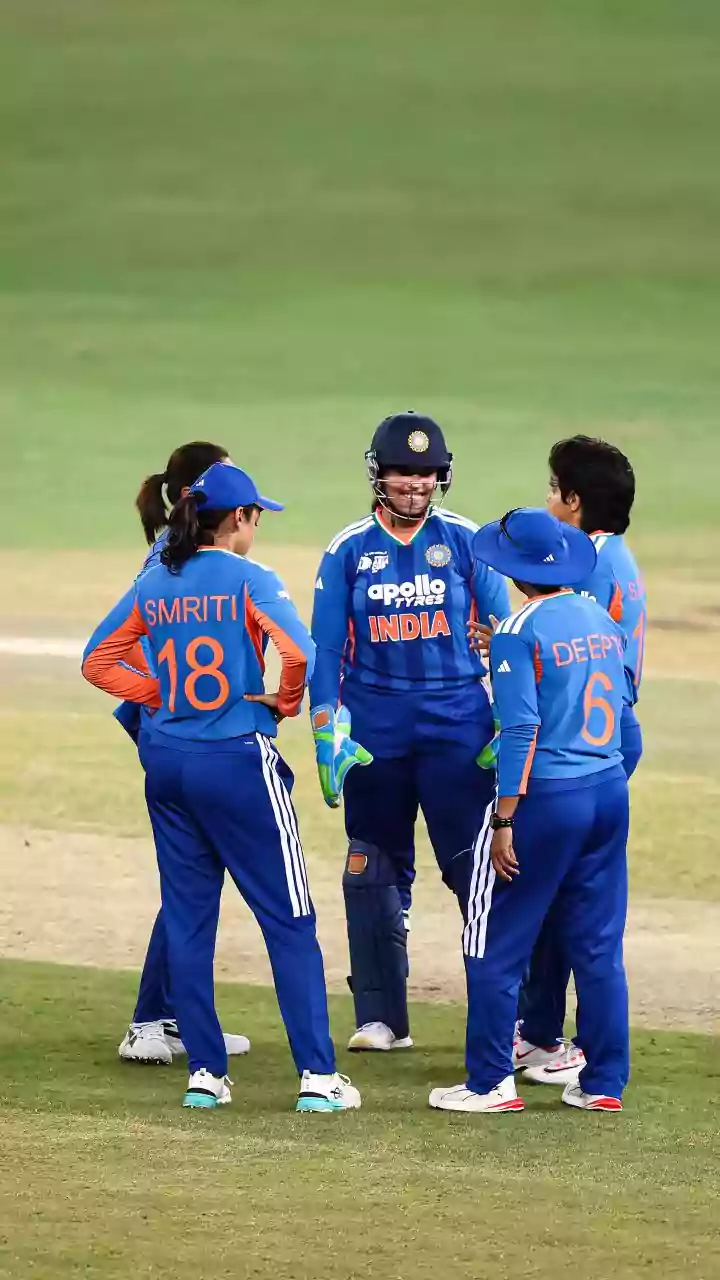
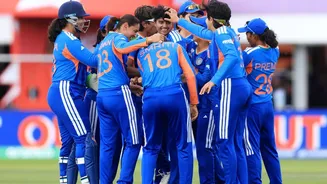
Harmanpreet Kaur is not just a captain; she is a trailblazer. Her aggressive, lead-from-the-front style has defined an era for Indian women's cricket. Under her leadership, India won its maiden ODI World Cup in 2025 and secured a historic Test victory
against Australia in 2023. Her captaincy is marked by passion and a fearless approach that has often inspired the team to punch above its weight. Recently, she became the first cricketer in history, male or female, to captain a national side in 150 T20Is, a testament to her longevity and importance to the team structure. However, recent discussions have noted a dip in her batting form, with some analysts suggesting the immense pressure of all-format captaincy might be taking a toll. Despite a disappointing T20 World Cup campaign in June 2026, the BCCI has kept faith in her, naming her captain for the upcoming Asian Games.
The Undeniable Rise of Captain Mandhana
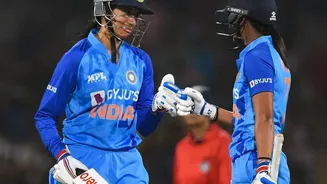
Smriti Mandhana, the stylish left-handed opener, has built an impeccable case for her promotion. Her leadership credentials have been significantly burnished in the Women's Premier League (WPL), where she has captained Royal Challengers Bengaluru to two titles in 2024 and 2026. Her 2026 WPL season was particularly spectacular, as she finished as the tournament's leading run-scorer, earning the Orange Cap. Often described as the 'ice' to Harmanpreet's 'fire', Mandhana’s captaincy style is seen as calm, composed, and tactical. She has a strong record when leading India in Harmanpreet's absence, remaining unbeaten in the ODIs she has captained. Having recently surpassed the legendary Mithali Raj to become the leading run-scorer in women's international cricket, her readiness for the top job is a major point of discussion.
A Contrast in Styles
The debate is not merely about replacing one player with another; it's about choosing a leadership philosophy. Harmanpreet is an instinctive, aggressive leader who wears her heart on her sleeve. Her explosive batting can single-handedly change the course of a match, and she expects the same intensity from her team. Mandhana, on the other hand, is a more methodical and calm presence. Coaches and experts have likened her reassuring and confidence-building approach to that of MS Dhoni. Her success in the WPL has demonstrated an ability to handle high-pressure situations with poise, fostering a winning culture within her squad. The choice between them is a choice between fiery inspiration and cool-headed strategy.
The Question of Timing
Former players like Diana Edulji have publicly called for a transition, arguing that at 37, it is time for Harmanpreet to pass the baton to the 30-year-old Mandhana. The argument is that relieving Harmanpreet of captaincy duties could free her up to focus on her batting, which remains crucial for the team. A split-captaincy model, where Mandhana might take over in white-ball formats while Harmanpreet continues in Tests, has also been proposed. However, with the Asian Games just around the corner in September and a packed future schedule including the 2027 Champions Trophy and 2028 Olympics, any change in leadership would need to be managed carefully to avoid disrupting team dynamics ahead of major tournaments.