







The Search for an Extra Hour
For young professionals in cities like Mumbai, Bengaluru, and Gurugram, time is the ultimate luxury. The daily grind often leaves little room for grocery shopping, chopping, cooking, and the dreaded cleanup. This time-poverty, combined with a post-pandemic
surge in health consciousness, has created the perfect storm. Ordering in, once the default solution, is now viewed with suspicion—often unhealthy, greasy, and expensive. The new generation isn't just looking for convenience; they're looking for smart, sustainable convenience that doesn't compromise on their health goals. Enter the pre-planned meal, a solution that promises to give back precious hours while keeping nutritional goals on track.
A Modern Twist on the Dabba
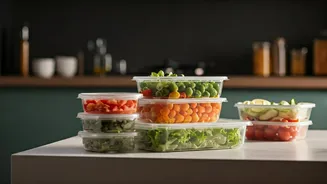
The concept isn't entirely new. For decades, the iconic 'dabbawala' system has delivered home-cooked lunches to offices with clockwork precision. Today's meal prep trend is a modern evolution of that principle, supercharged by technology and tailored to the wellness-savvy millennial and Gen Z workforce. Instead of just a simple 'thali', these services offer curated menus targeting specific dietary needs: low-carb, high-protein, vegan, gluten-free, and more. Subscribers can often choose their meals for the week via an app, track macronutrients, and have freshly cooked, portion-controlled dishes delivered straight to their doorstep. It’s the reliability of the old-school dabba, but with the customisation and health-focus of the digital age.
The Benefits: Beyond the Plate
The most obvious benefit is saving time, but users say the advantages run deeper. One of the biggest perks is the elimination of 'decision fatigue'. Not having to ask "What's for dinner?" every single day frees up mental energy for more important tasks. It also helps with financial planning, as a fixed subscription cost is more predictable than erratic spending on groceries and takeaways. For many, it’s a powerful tool for health management. Having healthy, portion-controlled meals ready to eat makes it easier to resist the temptation of junk food, helping with weight management and overall fitness. It turns eating well from a daily struggle into an automated habit.
The Downsides: Cost and Commitment
Of course, this streamlined lifestyle comes at a price. Meal subscription services are almost always more expensive than cooking at home. A monthly subscription can run into several thousand rupees, a significant expense for someone just starting their career. There's also the commitment factor. Most services require a weekly or monthly subscription, which can feel restrictive if your plans change or you simply feel like eating something else. The lack of spontaneity is a common complaint; you can't just decide to go out for dinner with colleagues without feeling like you're wasting a pre-paid meal. Finding a service that consistently delivers on taste, variety, and hygiene can also involve some trial and error.
Getting Started: DIY vs. Delivery
Intrigued? There are two main ways to embrace the meal-prep life. The first is the Do-It-Yourself (DIY) route. This involves dedicating a few hours on a Sunday to plan, shop, and cook your meals for the week ahead. It’s cost-effective and gives you complete control over ingredients and flavours. However, it requires discipline and, well, the very time you were trying to save. The second option is to subscribe to a meal delivery service. Start by looking for local providers in your city with good reviews. Many offer trial packs for a few days, allowing you to test their food and service before committing to a longer plan. Check for menu variety, delivery reliability, and transparency about ingredients.