





The Rise of the Experience Economy
The single biggest driver behind the concert boom is a generational shift in consumer behaviour. Younger audiences, particularly Millennials and Gen Z, increasingly prefer spending on experiences rather than material goods. Reports have shown that a high
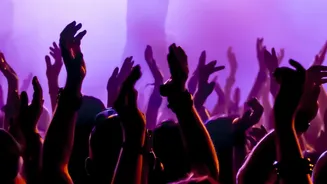
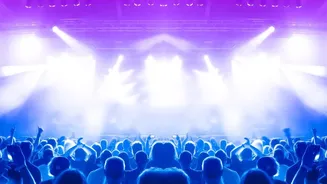
percentage of Indian consumers now explicitly favour allocating their disposable income to memorable events over physical products. This 'YOLO' (You Only Live Once) mindset, which intensified after the social restrictions of the pandemic, has transformed concerts from an occasional treat into a vital form of social and cultural participation. The live events segment has become the fastest-growing part of India's entire media and entertainment industry, clocking staggering growth as audiences seek the unique, communal energy that a live show provides.
From Digital Discovery to Physical Community
The journey to a concert no longer begins with a poster on a wall; it starts on a smartphone. Streaming platforms and social media have democratised music discovery, allowing fans to follow artists' careers intimately. When an artist discovered online announces a tour, buying a ticket becomes the ultimate validation—a chance to be in a physical space with thousands of others who share that same digital connection. Social media also serves as a powerful marketing engine, with short video clips of live gigs creating viral buzz and a sense of FOMO (fear of missing out). This online-to-offline pipeline has created highly engaged fan communities who see concerts as the physical town square for their internet subcultures.
A New Economic Powerhouse
The concert surge is not just a cultural phenomenon; it's a significant economic engine. India's live event market has surpassed the ₹12,000 crore mark and is projected to grow significantly in the coming years. Mega-concerts by international artists have a massive ripple effect on local economies. For example, Coldplay's shows in Ahmedabad reportedly generated an estimated ₹641 crore in economic impact, boosting tourism, hospitality, transport, and retail. This has prompted state governments to recognise the potential of 'concert tourism' and actively support bringing major acts to their cities. This growth is also expanding beyond metros, with Tier-II and Tier-III cities becoming new hotspots for live events, creating more opportunities for local talent and businesses.
India on the Global Music Map
For decades, India was an occasional, almost exotic, stop for major international tours. Now, it's an essential market. Promoters and artists alike have recognised the deep, informed, and passionate fanbase in the country. The success of tours by artists like Ed Sheeran and festivals like Lollapalooza India has proven that there is immense demand and a willingness to pay for world-class productions. Consequently, India is no longer an afterthought but a core stop on the Asian leg of global tours, alongside hubs like Japan and Singapore. This has been supported by improved infrastructure, simplified tax rules, and the rise of powerful ticketing platforms that now often act as financiers and producers, making it viable to bring larger and more complex shows to the country.
More Than Just the Music
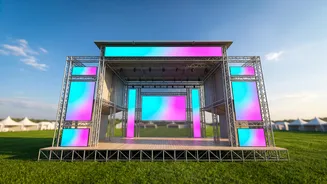
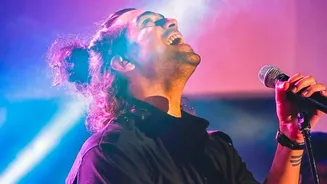
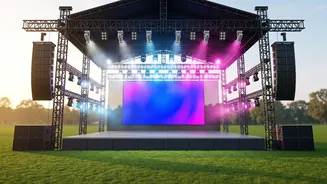
Today’s concerts are about more than just hearing a favourite song live. They are full-fledged spectacles where the visual experience is as important as the audio. Audiences expect elite production value, from advanced lighting and LED screens to immersive sound systems. This push for a grander experience has turned events into content-generation opportunities for attendees, who are eager to capture and share moments online. Brands have also taken notice, moving beyond simple logo placements to creating immersive activations within festival grounds, recognising that an engaged and happy audience is more receptive to marketing. The artist is no longer the sole product; they are the catalyst for a much larger, shareable, and memorable event.