



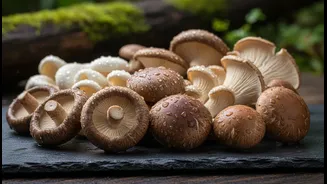


The Monsoon's Culinary Gift
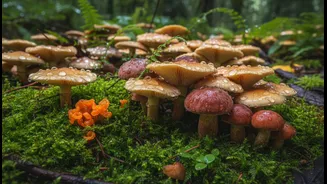
When the monsoon sweeps across India, it brings more than just relief from the summer heat; it transforms the culinary landscape. The damp, humid weather creates the perfect conditions for fungi to thrive, leading to a seasonal boom in both cultivated
and wild mushrooms. This natural abundance aligns perfectly with a cultural craving for warm, hearty, and umami-rich foods that suit the cool, wet weather. From bustling city markets to quiet forest trails, the rainy season heralds the arrival of these prized ingredients, turning them into a seasonal star on menus and in home kitchens alike. The overall Indian mushroom market is expanding rapidly, driven by a growing awareness of their health benefits and versatility.
From Forest Floors to Urban Plates
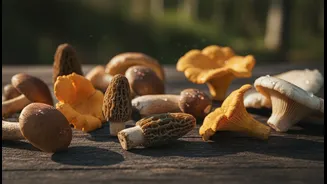
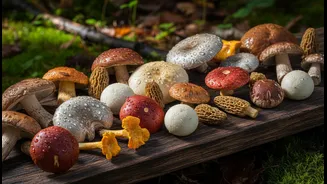
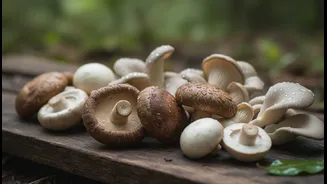
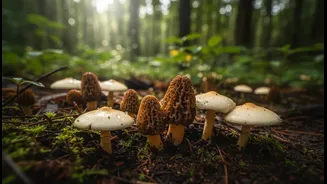
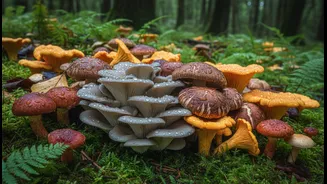
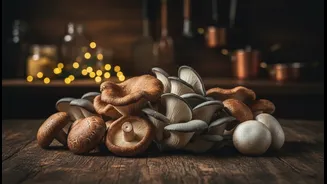
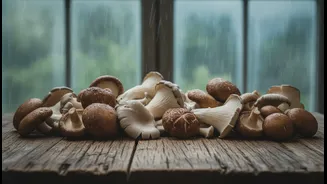
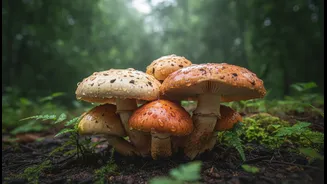
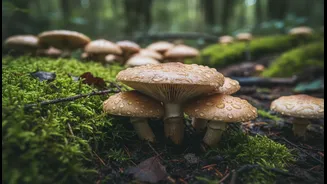
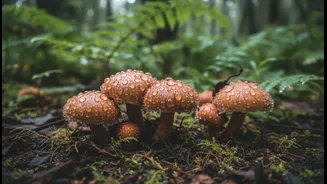
While commercially grown button, oyster, and milky mushrooms are available year-round and see a spike in demand, the monsoon is truly the season of wild, foraged varieties. These elusive fungi appear for brief periods, often in specific ecosystems, and are foraged by local communities with generational knowledge. In Jharkhand and Chhattisgarh, tribal women forage for 'Rugda', a spherical mushroom that grows near Sal trees and is often called 'vegetarian mutton' for its texture. In Goa and the Western Ghats, 'Olmi' mushrooms, which grow on termite mounds, are a highly sought-after delicacy, often cooked into a spicy xacuti. Other regional treasures include the expensive 'Gucchi' from Kashmir and the 'Uyen' mushroom in Manipur. This seasonal availability drives excitement and high prices, with some varieties becoming the centerpiece of family meals and local traditions.
The Science and Culture of Craving
The craving for mushrooms during the rainy season is rooted in both science and culture. Nutritionally, mushrooms are a powerhouse, packed with protein, fibre, and essential vitamins like B and D. They are known to boost the immune system, which is particularly beneficial during the monsoon when infections are common. The high antioxidant content helps the body fight cellular damage, while nutrients like potassium support heart health. Culturally, the earthy, robust flavour of mushrooms provides a comforting warmth that pairs well with the damp weather. Their meaty texture also makes them a satisfying substitute in vegetarian diets. For many, the act of foraging or buying the first mushrooms of the season is a cherished ritual, connecting them to nature's cycles.
A Boon for Growers and Foragers
The surge in demand is a welcome opportunity for both commercial growers and local foragers. For small-scale farmers, the naturally high humidity of the monsoon reduces the cost and effort of cultivation, making it an ideal season to grow varieties like oyster and milky mushrooms. Foraging, on the other hand, is a seasonal livelihood for many tribal communities. Early in the morning, women and children venture into the forests to collect these edible treasures, which are then used for household consumption or sold at local markets, often fetching premium prices due to their rarity and robust flavour. This seasonal economy provides a vital source of income, though it is dependent on the rains and the health of the forests.
A Note on Safe Consumption
While the allure of wild mushrooms is strong, it comes with a critical word of caution. Many poisonous mushrooms bear a striking resemblance to edible ones, and telling them apart requires expert knowledge. It is crucial to only consume wild mushrooms that have been identified by a seasoned forager or purchased from a trusted source. Some health experts also advise thorough washing and cooking of all mushrooms, especially during the monsoon, as the damp soil can harbor bacteria. For those new to foraging, joining guided walks with experts can be a safe way to learn. When in doubt, it is always safest to opt for cultivated mushrooms from a reliable vendor.