


A Sweet Discovery in the Cosmos
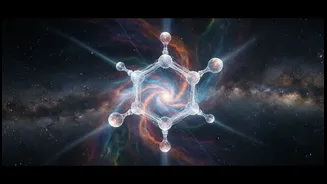
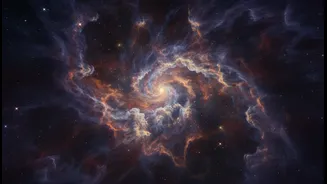
In the vast, cold expanse between stars, astronomers are finding more than just dust and gas. Recently, scientists detected a specific type of sugar called erythrulose in a molecular cloud near the center of our Milky Way galaxy. This finding is significant
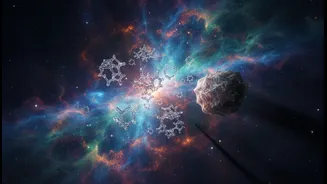
because it's the first time a true sugar has been identified in interstellar space. While erythrulose is found on Earth in fruits like raspberries, finding it floating in a cosmic cloud 27,000 light-years away provides a powerful clue that the chemical building blocks for life are not unique to our planet. These interstellar clouds act as giant chemical factories where simple atoms combine to form more complex substances, and this latest detection shows that the process can create molecules fundamental to biology.
More Than Just Empty Calories
When scientists talk about sugars in space, they're not talking about the kind you put in your coffee. They are referring to specific carbohydrates that are essential for life as we know it. The most crucial of these is ribose, the five-carbon sugar that forms the structural backbone of RNA (ribonucleic acid). For years, researchers have theorized about how ribose could have formed on a young, chaotic Earth. But what if it didn't have to? The discovery of various sugars in meteorites that have crashed into Earth has long supported the idea that these vital compounds could have been delivered from space. More recently, analysis of pristine samples returned from the asteroid Bennu by NASA's OSIRIS-REx mission confirmed the presence of ribose and glucose, bolstering this cosmic delivery theory.
The 'RNA World' Hypothesis
The presence of extraterrestrial ribose is a huge piece of the puzzle for a leading theory on the origin of life known as the 'RNA World' hypothesis. This theory proposes that before DNA and the complex proteins of modern life evolved, RNA was the star player. That's because RNA is a jack-of-all-trades molecule: it can store genetic information like DNA, and it can also act as an enzyme to catalyze chemical reactions, a role now primarily handled by proteins. For an RNA World to get started, however, there needs to be a ready supply of its building blocks, including ribose. Finding that ribose and other sugars could form in asteroids or interstellar clouds and then rain down on early Earth provides a compelling explanation for how our planet acquired the necessary ingredients to kickstart life.
From Stardust to Living Cells
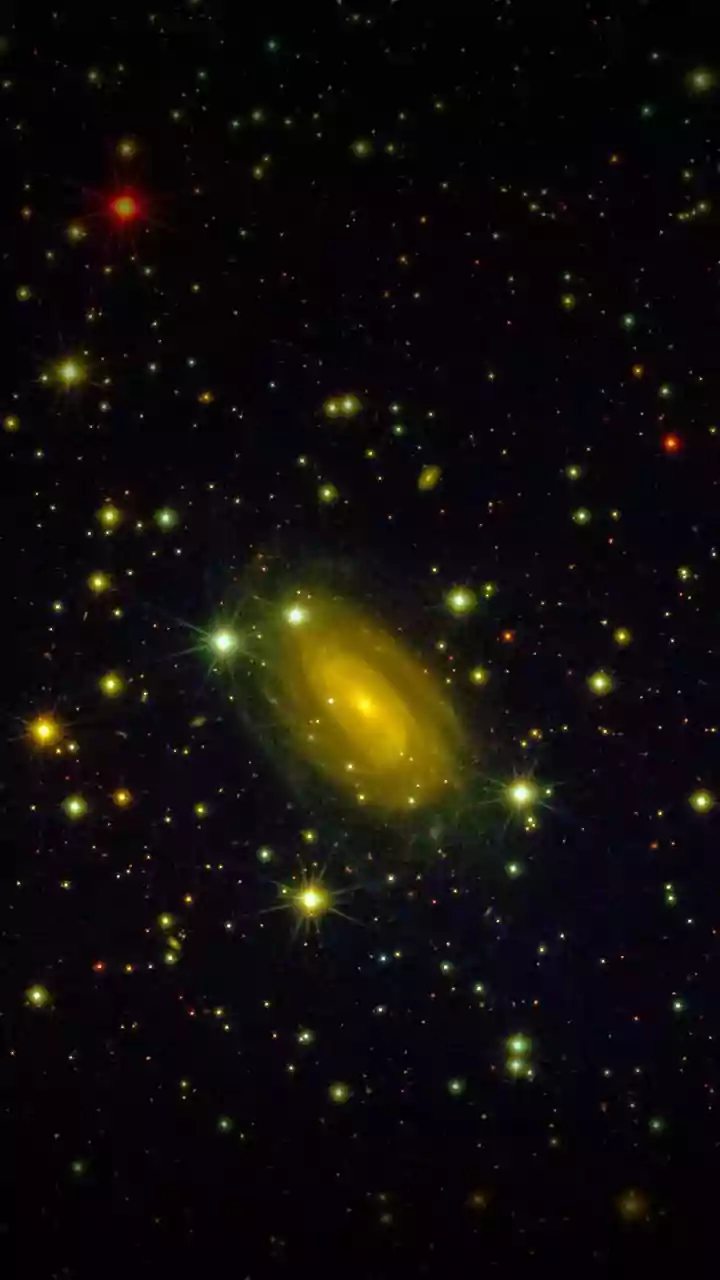
The journey from a simple sugar molecule on a meteorite to a habitable planet teeming with life is incredibly long and complex, but these discoveries mark a critical starting point. The theory is that billions of years ago, asteroids and comets bombarded the early Earth, delivering not only water but also a cocktail of organic compounds, including amino acids (the building blocks of proteins) and the sugars needed for RNA. These molecules, formed in the interstellar medium or within asteroids, seeded the planet with the raw materials for abiogenesis—the process by which life arises from non-living matter. Finding erythrulose in a distant star-forming region and ribose on a nearby asteroid shows that this cosmic pantry is well-stocked across the galaxy.
The Search for Our Cosmic Origins
Each discovery of a complex organic molecule in space brings us closer to understanding whether the emergence of life on Earth was a one-in-a-trillion fluke or a natural outcome of cosmic chemistry. The findings from the Bennu asteroid samples are particularly groundbreaking because, having been collected directly from the source, they are free from earthly contamination that can complicate meteorite studies. With every key ingredient for RNA now having been identified in asteroid material, the case for a cosmic origin of life's building blocks is stronger than ever. Future research will focus on identifying more complex molecules and understanding the chemical pathways that lead from simple sugars to self-replicating systems, shedding more light on how habitable worlds—and perhaps life itself—truly emerge.