



More Than Just a Meal Box
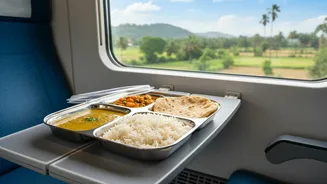
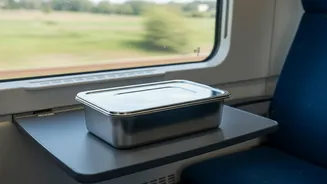
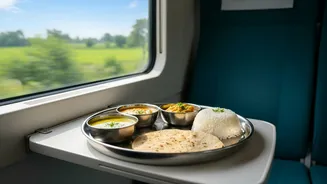
The standardized packaging for food served on trains is the most visible part of Indian Railways' strategy to tackle several long-standing issues. The primary goal is to ensure food safety and hygiene. By mandating that all meals come from designated
base kitchens and are packed in sealed containers, the Railways aims to control the quality of ingredients and preparation standards. This system is also designed to curb the persistent problem of unauthorized vendors who often sell unhygienic food at inflated prices. The packaging, therefore, acts as a mark of authenticity, assuring passengers that their meal has come from a verified and monitored source. Every vendor must have an FSSAI license, and this compliance is a cornerstone of the entire catering policy.
Decoding the Packaging Rules
The rules governing food packaging have evolved significantly. In a major push for transparency and accountability, IRCTC has mandated the use of QR codes on meal packets. When scanned, these codes reveal crucial details like the name of the kitchen where the food was prepared, the date of packing, and the caterer's FSSAI license number. This allows passengers to verify the source of their meal instantly. Furthermore, there has been a significant policy shift towards sustainability. Following a single-use plastic ban, the 2026 IRCTC Catering Policy mandates the use of biodegradable packaging. This has led to the phased introduction of containers made from materials like bagasse, the fibrous residue from sugarcane, particularly on premium trains like Rajdhanis and Shatabdis.
The Reality of Enforcement
Putting these rules into practice across one of the world's largest railway networks is a monumental task. Enforcement is a multi-layered process involving both regular and surprise inspections by Railway and IRCTC officials, including dedicated Food Safety Officers. To monitor hygiene at the source, CCTV cameras have been installed in base kitchens for real-time surveillance of food preparation. Onboard, Food Safety Supervisors and IRCTC supervisors are deployed to oversee service standards. Despite these measures, violations occur. In the last three years, Indian Railways has imposed fines amounting to ₹5.13 crore, terminated six catering contracts, and debarred multiple licensees for failing to meet quality and hygiene standards, signalling a strict approach to non-compliance.
The Passenger's Role in a Vast System
Passengers are not just passive recipients in this system; they play a crucial role in its enforcement. Indian Railways encourages travelers to be vigilant. One key step is to verify the identity of onboard staff. Official catering personnel are now issued QR code-enabled identity cards which can be scanned to confirm their authenticity and details. If a passenger receives a meal that is subpar, cold, or in soiled packaging, they have several avenues for redressal. Complaints can be lodged via the Rail Madad app, the official IRCTC website, or by calling the helpline number 139. This feedback is critical, as it triggers investigations and holds vendors accountable for service failures.
Challenges and the Road Ahead
Despite a robust framework, challenges persist. Passengers still report issues of overcharging, inconsistent food quality, and problems with unauthorised third-party food delivery apps. The government acknowledges these issues and continues to tighten regulations. The push towards using only IRCTC's official eCatering website and app is one such measure to shield passengers from unregulated services. While officials state that food-related complaints are statistically very low—around 0.0008% of the 58 crore meals served annually—the goal remains zero tolerance for lapses in hygiene and safety. The future of railway catering focuses on strengthening this system through technology, from traceable packaging to real-time monitoring, ensuring the journey is as safe and pleasant as the destination.