








Start From the Top: Roof and Terrace Care
Your home's first line of defence is its roof. Before the rains begin, conduct a thorough inspection of your roof or terrace. Look for and seal any visible cracks, especially on parapet walls and around joints, using a quality waterproof sealant or coating.
If you have roof tiles, check for any that are cracked, missing, or have shifted, and replace them promptly. Applying a fresh coat of waterproof paint or a specialized waterproofing solution can create a robust barrier against persistent rain. Equally important is ensuring proper drainage. Clean your roof and terrace drains of all leaves, dirt, and debris to prevent water from accumulating, which can lead to seepage. A proper slope on the terrace is also crucial to guide water away effectively.
Secure the Perimeter: Walls and Windows
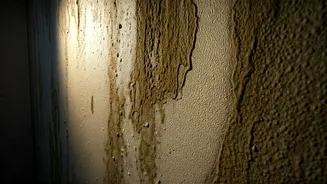
Exterior walls bear the brunt of driving rain. Inspect them for cracks, no matter how small, as these are primary entry points for water. Fill these cracks with waterproof putty or a suitable sealant before they become larger problems. Applying a coat of high-quality waterproof exterior paint provides an excellent shield against moisture and prevents the growth of fungus and algae. Pay close attention to the seals around your windows and doors. Over time, these can degrade, creating gaps for water to enter. Replace any worn-out weather stripping and use a waterproof sealant to close any spaces around the frames. Also, ensure the small drainage holes at the bottom of window frames are clear of blockages.
Go With the Flow: Gutters and Drains
A functional drainage system is non-negotiable during the monsoon. Clogged gutters and drains are a primary cause of water overflow that can seep into your foundation and walls. Before the season starts, thoroughly clean all gutters and downspouts, removing leaves, mud, and any other debris. After cleaning, you can run some water through the system to ensure it flows freely and directs water away from your home's foundation. If you notice water pooling near your house, the ground may not be graded correctly. Where possible, ensure the soil slopes away from your foundation to prevent water from collecting against the walls.
Inside Job: Managing Dampness and Furniture
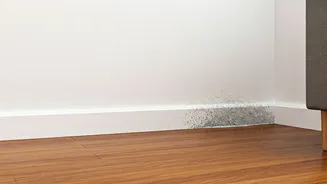
Even with the best external protection, high humidity can cause problems indoors. The monsoon brings a musty smell and the risk of mould and mildew, which can trigger allergies. Ensure good ventilation by opening windows and doors during dry spells to allow fresh air to circulate. In particularly damp areas like bathrooms and kitchens, use exhaust fans to remove moisture. For persistent humidity, a dehumidifier can be a great investment, helping to maintain an ideal moisture level. Wooden furniture is particularly vulnerable to swelling and damage in damp conditions. Keep furniture a few inches away from walls to prevent moisture transfer. You can also place natural moisture absorbers like silica gel packs, charcoal briquettes, or even bowls of rock salt in cupboards and closets to protect your belongings.
Prioritise Electrical Safety
Water and electricity are a dangerous combination, making electrical safety a top priority during the rainy season. Before the monsoon, have a qualified electrician inspect your home’s wiring for any frayed cables, loose connections, or damaged insulation. Ensure all outdoor electrical fittings are weatherproof and properly sealed. It is wise to install a circuit breaker, such as an ELCB or RCCB, which can automatically cut off the power in case of a leak or short circuit, preventing shocks. Never touch switches or appliances with wet hands. During heavy thunderstorms with lightning, unplug non-essential appliances like TVs and computers to protect them from power surges.