






The New Face of Snacking
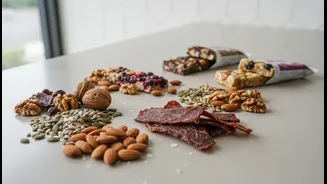
Walk down any supermarket aisle or scroll through a quick-commerce app, and you'll notice a significant change. Shelves once dominated by fried namkeens and sugary biscuits now share space with an ever-growing array of protein bars, baked lentil chips,
Greek yogurts, and fortified muesli. This isn't a niche trend for gym-goers anymore; it's a mainstream movement. The Indian healthy snacks market is experiencing explosive growth, with some reports projecting a compound annual growth rate of nearly 8%. Protein-enriched products are a primary driver of this boom, with one quick-commerce platform reporting a staggering 150% surge in protein orders over the last two years. This shift signals a fundamental change in what Indian consumers want from their food.
Why Protein, Why Now?
The pivot towards protein is fueled by a perfect storm of factors. Firstly, there's a growing wave of health consciousness across the country. Driven by a desire for preventive wellness and concerns about lifestyle diseases, people are more educated about nutrition than ever before. Protein is no longer just a word for bodybuilders; it's understood as an essential macronutrient for muscle health, satiety, and overall energy. A recent survey found that a remarkable 86% of Indian consumers now consider protein an important factor when choosing a snack. This increased awareness is also a reaction to the well-documented protein deficiency in many Indian diets, a gap that consumers are now actively trying to fill.
Convenience for the Modern Indian Lifestyle
Parallel to the health wave is the reality of our increasingly fast-paced urban lives. For busy professionals, students, and parents, elaborate meal preparation isn't always feasible. This has led to a phenomenon called ‘snackification’, where smaller, convenient eating occasions replace traditional, structured meals. Protein snacks perfectly fit this new reality. They offer a quick, portable, and functional solution to hunger pangs, providing sustained energy without the crash associated with high-carb or high-sugar snacks. The rise of quick-commerce apps has further accelerated this, making it possible to get a healthy snack delivered in minutes, thereby solving the accessibility issue for millions.
Beyond the Metros and the Gym
What makes this trend so significant is its expanding reach. While Bengaluru and Mumbai may lead in demand, the movement is rapidly spreading to Tier-II and Tier-III cities like Jaipur, Nagpur, and Chandigarh. The democratisation of information via the internet has meant that wellness aspirations are no longer confined to big cities. Furthermore, the consumer base has broadened. It’s not just fitness enthusiasts buying these products. It's parents looking for healthier tiffin options for their children and professionals seeking a guilt-free afternoon pick-me-up. Brands are responding by moving protein from niche supplement stores into the everyday grocery basket, fortifying everything from atta to coffee.
Reading the Label: A Savvy Consumer Emerges
This isn't a blind trend; consumers are making informed choices. A recent study revealed that 62% of shoppers consider ingredient transparency the most important factor when selecting a snack brand, rating it higher than celebrity endorsements. People are flipping the pack to check for natural sweeteners like jaggery or dates over refined sugar. This demand for 'clean labels' is pushing brands to be more honest and innovative. While modern formats like bars and cookies are popular, there's also a renewed appreciation for traditional Indian powerhouses like paneer, eggs, chickpeas (chana), and roasted fox nuts (makhana), which are now being packaged and marketed for their inherent protein benefits.