


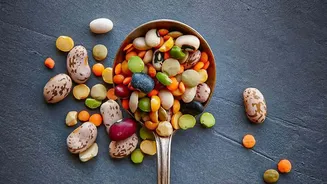

Prioritise Protein for Fullness
Protein is a crucial component of a satisfying snack because it helps keep you feeling full and energised for longer. When you’re scanning a nutrition label, a good rule of thumb is to look for a snack that provides at least 5 to 10 grams of protein per
serving. This amount is effective enough to curb hunger until your next meal without turning your snack into a full meal. Traditional Indian options like roasted chana (chickpeas), a small bowl of sprouts chaat, paneer tikka, or a handful of nuts are excellent whole-food sources of protein. For packaged snacks, check that a real protein source—like nuts, seeds, dals, or dairy—is one of the first few ingredients listed, not a processed protein isolate added at the end. This ensures you’re getting quality protein that contributes to your daily needs, which for a typical Indian adult is around 0.83 grams per kilogram of body weight.
Factor in Fibre for Digestion
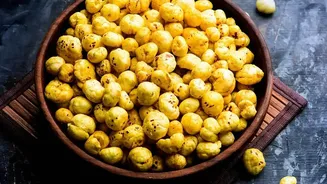
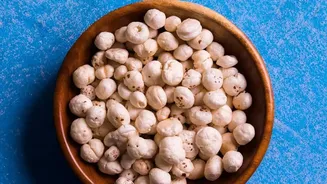
Fibre is another hero nutrient for healthy snacking. It aids digestion, helps manage blood sugar levels, and contributes to that feeling of fullness. When choosing a snack, aim for one with at least 3 grams of dietary fibre. Anything with 5 grams or more is considered an excellent source. Many high-fibre foods are simple and require no cooking. Fresh fruits like apples (with the skin on), pears, and berries are fantastic choices. Vegetables like carrots paired with hummus, whole-grain crackers, or a bowl of air-popped popcorn are also great high-fibre snacks. Even traditional favourites like makhana (fox nuts) can be a good source of fibre. Combining a fibre source with protein and a healthy fat, such as an apple with peanut butter, creates a well-rounded snack that will sustain you for hours.
Scrutinise the Sugar Content
This is where many seemingly “healthy” snacks fall short. It’s important to distinguish between naturally occurring sugars (like those in fruit and milk) and added sugars, which are put in during processing. The American Heart Association recommends that women consume no more than 25 grams (6 teaspoons) of added sugar per day, and men no more than 36 grams (9 teaspoons). A single snack can easily eat up a large portion of that limit. A good target for a healthy snack is to keep the added sugar content under 5 grams per serving. Be wary of hidden sugars in the ingredients list; they go by many names, including high-fructose corn syrup, dextrose, maltose, sucrose, cane juice, and agave nectar. If you see any of these listed as one of the first few ingredients, the snack is likely high in sugar.
Master the Ingredient List
The ingredient list is perhaps the most honest part of any food package. Ingredients are listed in descending order by weight, meaning the first ingredient is the most plentiful. If sugar or refined flour is the first item, you’re essentially eating a dessert, not a nutritious snack. A key principle for healthier snacking is to choose products with a short, simple, and recognisable ingredient list. If the list looks like a chemistry experiment with words you can't pronounce, it's a sign the food is highly processed. Look for whole foods you would use in your own kitchen, like oats, nuts, seeds, and whole wheat flour. This approach helps you avoid artificial additives, preservatives, and other fillers that offer little to no nutritional value. When in doubt, stick to snacks where the food itself is the only ingredient, like a piece of fruit or a handful of almonds.