







Why A Backup Plan Is Not A Luxury
Life is unpredictable. A sudden work crisis, a family emergency, or even just unexpected gridlock can derail your daily schedule. For a pet that thrives on routine, a missed meal isn't just an inconvenience; it can cause genuine distress and, for some
animals with medical conditions, serious health issues. A reliable backup plan is your peace of mind in a box. It transforms a potential crisis into a managed situation, ensuring your pet is safe, fed, and comfortable even when you can't be there. It’s a fundamental part of responsible pet ownership, just as important as vet visits and daily walks.
Step 1: Document Your Pet’s Exact Needs
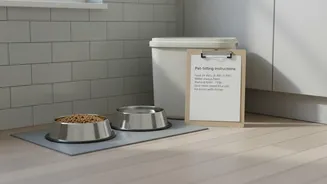
The first step is to create a clear, simple guide to your pet’s routine. Don't rely on memory or assume a helper will just know. Document everything with precision. Start with the feeding schedule: exact times for morning and evening meals. Specify the type of food (brand and flavour) and the precise portion size. If you use a particular scoop, leave it with the food. Note any allergies, sensitivities, or foods to avoid. If your pet requires medication, write down the name, dosage, time, and instructions for administration, such as whether it should be given with food. This isn't just about food; it's about maintaining consistency to reduce your pet's stress.
Step 2: Build Your Trusted Support Circle
Your plan is only as good as the people who can execute it. Identify two to three reliable individuals who can step in. This could be a trusted neighbour, a close friend, or a family member who lives nearby. Have an open conversation with them, making sure they are willing and able to help. Provide at least one of them with a spare key. Walk them through the feeding routine once when you are not in a rush. If your social circle isn't a viable option, research professional pet-sitting services in your area. While this involves a cost, it provides a professional, accountable service for those times when you need guaranteed cover.
Step 3: Assemble a Comprehensive Information Kit
Create a 'pet emergency kit' and keep it in an accessible place, like a kitchen drawer or by the front door. This should be a waterproof folder or binder containing all vital information. Include your primary vet's contact details, as well as the number for a 24/7 emergency animal hospital. Add your own contact information and the details of an alternate emergency contact. A recent photo of your pet is also crucial for identification purposes. Finally, add notes on your pet's behaviour, such as where they like to hide if scared or if they are wary of strangers. This helps the caregiver manage the situation smoothly.
Step 4: Explore Automated Solutions as a First Line of Defence
For occasional late nights, technology can be a lifesaver. Automatic pet feeders can dispense a pre-portioned meal at a scheduled time, ensuring your pet doesn't go hungry if you're delayed by an hour or two. These devices are excellent for maintaining a consistent feeding schedule and controlling portions. When choosing a feeder, consider one with a battery backup in case of a power outage. However, remember that an automatic feeder is not a substitute for human interaction or for longer absences. It’s a tool for short-term delays, not a replacement for a pet sitter during a weekend away.
Channel Your 'Late Workday' Focus
So, when should you do all this? That's where the late workday comes in. You’ve just spent hours focused on projects, solving problems, and planning. Instead of letting that mental energy dissipate into tired scrolling, redirect it for 30 minutes. Use that focused mindset to tackle this plan systematically. Draft the instruction sheet. Email your potential helpers. Research automatic feeders. By treating this task with the same seriousness as a work project, you can get it done efficiently. That small investment of time at the end of a long day will buy you invaluable peace of mind for months and years to come.