





A Tale of Two Portals
The Indian Ministry of Tourism has been developing a sophisticated digital ecosystem with two distinct but complementary purposes. On one side, you have the data-heavy resources like the National Integrated Database of Hospitality Industry (NIDHI). This
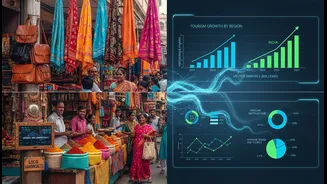
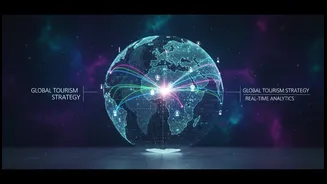
is the engine room, designed for policymakers, industry stakeholders, and investors. It tracks key metrics like foreign tourist arrivals, hotel occupancy, and economic impact, providing a statistical backbone for strategic decisions. On the other side, you have vibrant, traveler-facing platforms like the revamped Incredible India portal and the Utsav Portal, which focuses on festivals and events. These platforms are not about data; they are about dreams. They are designed to be a traveler's first point of contact, transforming raw information into a compelling narrative of what India has to offer.
The Power of Pure Data
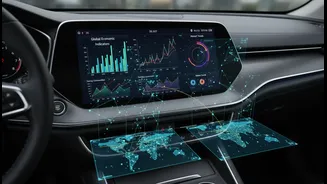
First, let's acknowledge the data. Portals like NIDHI and the national tourism data portal are crucial for the business of tourism. They provide a transparent, one-stop reference for official statistics, allowing for informed decision-making. For government bodies, this data helps in planning infrastructure development and policy formulation, such as the Swadesh Darshan scheme aimed at developing theme-based tourist circuits. For hotel chains and tour operators, it reveals trends in visitor flows and market demand, guiding investment and operational strategies. In essence, the data side is about understanding the 'what' and 'how many' of tourism, ensuring the industry's growth is sustainable and well-managed. It’s the blueprint for building a globally competitive tourism ecosystem.
Content: The Engine of Inspiration
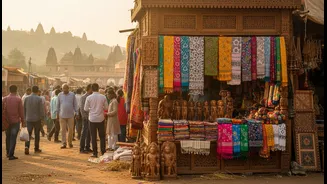
This is where the story pivots. While data builds the house, content is what makes it a home people want to visit. The revamped Incredible India portal and the Utsav portal are prime examples of this philosophy in action. The Utsav portal, for example, is a dynamic guide to the country's myriad festivals, events, and live darshans from religious shrines. It provides everything a potential traveler needs: dates, details, visual galleries, and even logistical information on how to get there. Similarly, the main Incredible India portal has evolved into a comprehensive content hub. It offers a rich repository of high-quality images, films, itineraries, and articles designed for travelers, content creators, and tour operators alike. It moves beyond simply listing destinations to telling their stories, showcasing experiences from adventure and wellness to culinary trails and cultural deep dives.
Why Content Is the Real Game-Changer
In today's crowded global tourism market, data is a given, but a compelling narrative is a competitive advantage. The decision to travel is emotional. It is sparked by a stunning photograph, a captivating story, or a video that makes you feel like you are already there. This is the power of content marketing. It builds an authentic connection with potential tourists long before they book a flight. By providing high-quality, easily accessible content, India's tourism ministry is taking control of its global narrative. It’s a strategic shift from simply presenting facts to fostering inspiration and facilitating the entire travel journey, from the initial dream to the final booking. This approach recognizes that modern travelers, particularly younger demographics, make decisions based on social proof, user-generated content, and the stories they see on their screens.
A New Digital Strategy for 'Viksit Bharat'
This dual-pronged digital strategy is not just about attracting more tourists; it's about shaping a more sustainable and distributed tourism model. By showcasing lesser-known destinations and festivals through rich content, authorities can help ease the burden on overcrowded hotspots and spread the economic benefits of tourism more evenly. It aligns with the broader vision of a developed India ('Viksit Bharat') by 2047, where tourism is a key driver of economic growth, employment, and soft power. These digital platforms are more than just websites; they are sophisticated tools for destination management, designed to build a brand, engage a global audience, and create a seamless bridge between inspiration and action. They signal a mature understanding that in the digital age, the journey begins not with a passport, but with a click.