



This winter, Delhi is set to become the world’s most captivating art gallery. The second edition of the India Biennale will transform the capital, with contemporary art and design taking over iconic monuments, museums, and public spaces.
A City as the Canvas
Prepare to see
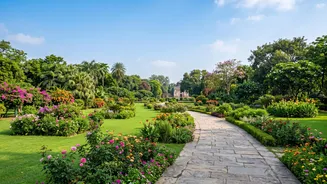
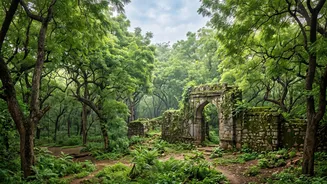
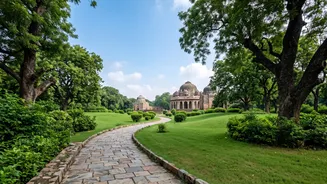
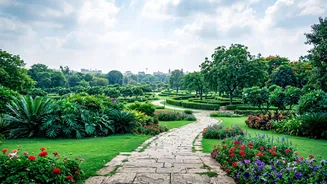
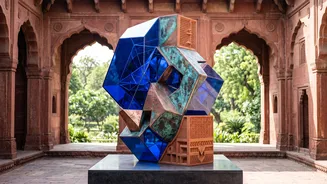
Delhi like never before. From December 4, 2026, to March 21, 2027, the India Art, Architecture & Design Biennale (IAADB), now simply called the India Biennale, will unfold across the city for 108 days. This ambitious event, organized by the Ministry of Culture, uses the city itself as its primary venue. Instead of confining art to traditional galleries, the Biennale will place contemporary works in dialogue with Delhi's rich history. Imagine large-scale installations at the historic Purana Qila, which serves as the main venue, and immersive experiences within the grounds of Safdarjung’s Tomb, the Qutub Minar complex, Jantar Mantar, and even Agrasen ki Baoli. This approach invites visitors to rediscover familiar landmarks through the lens of modern creativity, creating a unique city-wide cultural trail.
The Theme: 'Tat Tvam Asi'
The curatorial theme for the 2026 Biennale is 'Tat Tvam Asi', a Sanskrit phrase from the Upanishads that translates to 'You Are That'. The concept serves as a powerful call to reconnect in an age of digital distraction. Organizers state that the theme invites artists and visitors to pause, look closely, and find themselves reflected in the world around them. The exhibitions will explore ideas of self, community, and our relationship with the natural and built environment. Through threads of 'Reflection, Rejuvenation, Renewal, and Reconnection', the Biennale aims to turn every venue into a mirror, encouraging personal encounters with art that bridge ancient philosophy and contemporary life. It’s an invitation to slow down and engage the senses in a meaningful way.
What to Expect at the Venues
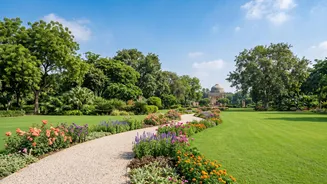
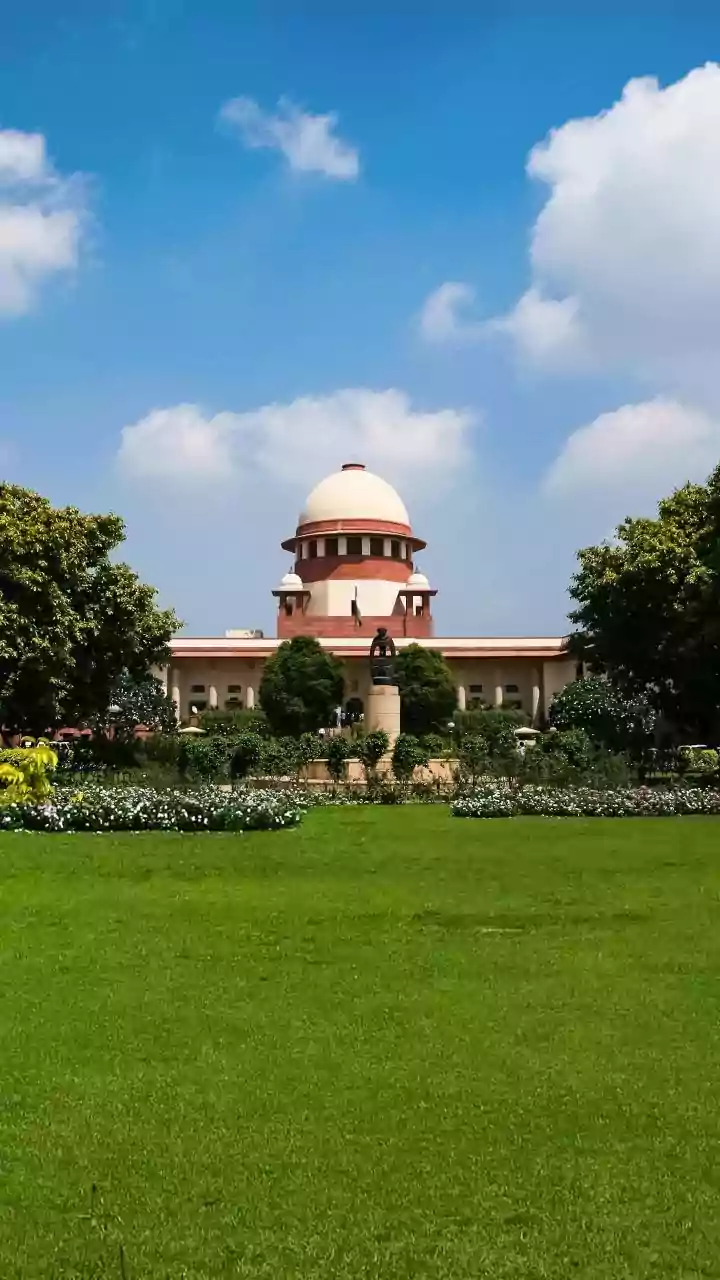
The Biennale’s scope is vast, encompassing a wide range of Delhi's most significant cultural institutions. Major museums like the National Museum, the National Gallery of Modern Art (NGMA), and the Kiran Nadar Museum of Art (KNMA) will host curated exhibitions. Heritage sites such as the Red Fort complex, Lodhi Gardens, and Hauz Khas will feature public art installations and site-specific works. Cultural hubs including the India Habitat Centre, National School of Drama, and Sangeet Natak Akademi are also part of the program, promising a diverse lineup of performances, workshops, and talks. This edition also includes a Student Biennale, providing a national platform for emerging artists and designers to showcase their work with mentorship and grant support.
Planning Your Visit
With dozens of locations spread across a major metropolis, experiencing the India Biennale requires some planning. The event is designed to be accessible, with passes starting from as low as Rs 100, though specific venues may have their own entry requirements. Organizers will provide maps and guides to help visitors navigate the city-wide art trail, which will connect the main Biennale venues with collateral exhibitions at private galleries like Vadehra Art Gallery and DAG. The fournduration allows ample time to explore different parts of the city at a leisurely pace. Whether you’re a seasoned art enthusiast or a curious resident, the Biennale offers a chance to engage with both art and heritage simultaneously. Check the official India Biennale website closer to the date for a full schedule of events, venue maps, and ticketing information.