




The Freedom of Financial Independence
A quiet revolution is happening in how Indian women see the world, and it starts with their wallets. Increased participation in the workforce and rising incomes have given women the financial autonomy to travel on their own terms. This economic empowerment
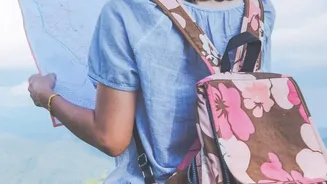
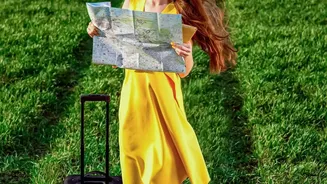
is a primary driver behind the surge in solo travel. For many, a solo trip is an assertion of independence and a chance to escape routine and responsibility. Data backs this up, with one report noting a 135% increase in solo women travellers between 2023 and 2025. This isn't just about sightseeing; it's about self-discovery, personal growth, and the unparalleled freedom to make every decision without consulting anyone else.
The Digital Backpacker's Toolkit
Technology has become an essential co-pilot for the modern female traveller. The internet, social media, and a plethora of mobile apps have dismantled previous barriers to planning a solo journey. Platforms like Instagram and travel blogs provide endless inspiration, while apps for booking, accommodation, and transport put total control in the traveller's hands. This digital toolkit not only simplifies logistics but also builds confidence. Women are using these resources to research destinations, vet hotels for safety, and connect with other travellers. The rise of female-focused travel communities online also provides a crucial support system, offering advice and fostering a sense of solidarity among explorers.
Navigating Safety, Redefining Routes
While the desire for solo travel is growing, safety remains a paramount concern. However, instead of being a deterrent, it has led to more informed and strategic travel planning. Women are actively choosing destinations perceived as safer and more welcoming. Well-established backpacker hubs like Rishikesh, Goa, and parts of Himachal Pradesh are popular choices for first-timers. The travel industry is slowly responding with improved infrastructure, including women-only dorms in hostels, better surveillance, and helpline numbers. Furthermore, there is a notable rise in women-led travel companies that curate experiences specifically for female travellers, offering another layer of security and community.
From Tourist Hotspots to Offbeat Trails
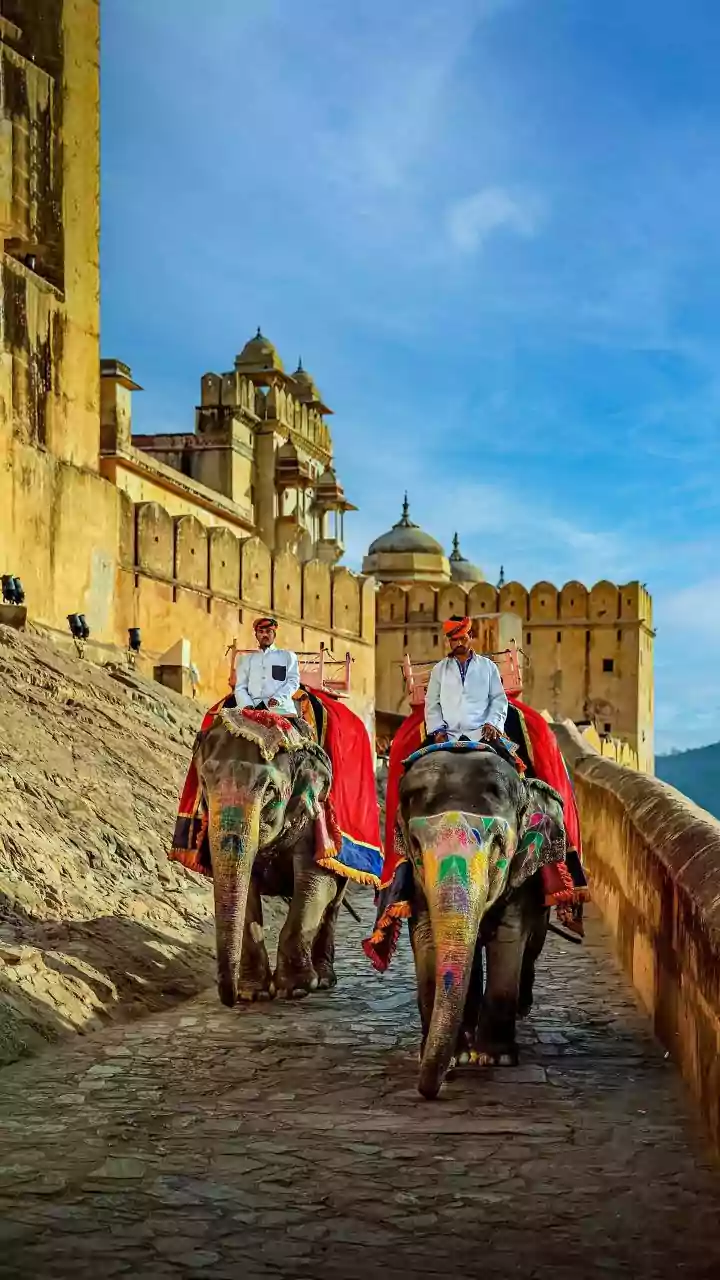
The destinations of choice are also evolving. While major cities like Mumbai and Jaipur remain popular, there is a clear trend towards exploring offbeat and experiential locations. Heritage sites like Hampi and Varanasi are attracting younger travellers, while serene destinations in Northeast India are gaining traction. This shift indicates a deeper travel motive beyond simply checking off landmarks. These journeys are about cultural immersion, connecting with local communities, and finding personal meaning. Millennial women, in particular, are also showing a preference for premium and luxury stays, indicating a willingness to spend more on comfort and unique experiences.
A Movement, Not Just a Vacation
The rise of the solo female traveller is more than a tourism statistic; it reflects a broader societal change. It challenges long-held patriarchal norms and the idea that women require a companion for safety or legitimacy in public spaces. Each trip, whether a weekend getaway or a month-long exploration, is an act of claiming space and building confidence. This movement is not only empowering individual women but is also reshaping the travel industry, forcing it to become more inclusive and gender-sensitive. As more women take to the road, they are paving the way for future generations to explore the world with even greater freedom and confidence.