







Your Body's Internal Sleep Switch
To understand why humidity wreaks havoc on our sleep, we first need to appreciate the body's natural sleep process. A crucial trigger for initiating and maintaining sleep is a drop in your core body temperature. As bedtime approaches, your internal thermostat
signals for a slight cool-down of about one to two degrees. This temperature dip is essential for falling asleep and cycling through the different sleep stages, including the deepest, most restorative ones. Your body achieves this by radiating heat away from the skin, primarily through the simple process of sweat evaporation.
How Humidity Sabotages Your Sleep
High humidity, which is characteristic of the monsoon season, throws a wrench in this delicate cooling mechanism. Humidity is the measure of water vapour in the air. When the air is already saturated with moisture (high humidity), your sweat cannot evaporate efficiently from your skin. This traps heat, preventing your core body temperature from dropping as it should. The result is that you feel sticky, overheated, and uncomfortable. Your body has to work harder to cool down, leading to increased wakefulness and a significant reduction in deep slow-wave sleep and REM sleep. These are the critical stages for physical recovery, memory consolidation, and overall mental well-being.
The Unseen Effects of Damp Air
Beyond the immediate discomfort, high humidity creates an environment ripe for other sleep disruptors. Humidity levels above 60% are an open invitation for dust mites and mould to thrive in mattresses, pillows, and furniture. For many people, this increases exposure to allergens, which can trigger respiratory issues, congestion, and asthma symptoms that further fragment sleep. The combination of a constantly working internal cooling system and potential allergens means you might spend eight hours in bed but wake up feeling as though you've barely slept at all.
Reclaim Your Bedroom: Lowering Humidity
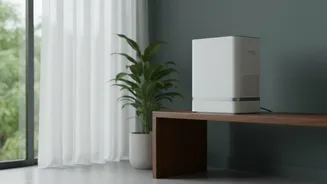
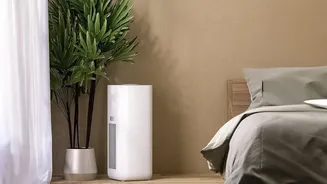
The most effective way to combat monsoon humidity is to take control of your bedroom's microclimate. The ideal indoor humidity for sleep is between 40% and 60%. An electric dehumidifier is the most efficient tool for this job. If that isn't an option, running your air conditioner can also help pull moisture from the air. Simple, natural methods can also provide relief. Ensuring good ventilation by opening windows during cooler, drier parts of the day is crucial. You can also place bowls of natural desiccants like rock salt, charcoal, or even baking soda in the room to absorb excess moisture. These materials are inexpensive and can make a noticeable difference in smaller spaces.
Smart Habits for Humid Nights
Adjusting your habits can also significantly improve sleep quality. Opt for lightweight, breathable bedding made from natural fibres like cotton or bamboo, which help wick moisture away from your body. The same applies to sleepwear. Avoid long, hot showers right before bed, as they release a large amount of steam into your home's environment; opt for a quicker, cooler rinse instead. If possible, dry your clothes outdoors rather than indoors to prevent adding more moisture to the air. These small changes collectively reduce the overall humidity load inside your home, making your bedroom a more restful sanctuary.