




Tires: Your First Line of Defense
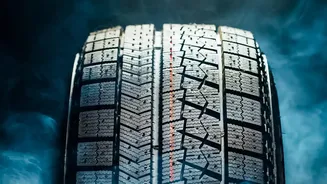
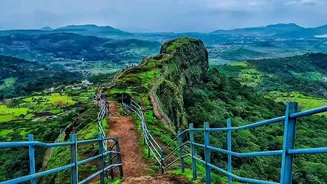
On the hairpin bends and steep inclines of a ghat road, your tires are your most critical safety feature. Before you even think about loading the luggage, give all four tires a thorough inspection. Check the tread depth; anything less than 3mm is a risk
on roads where grip is paramount. Look for any cuts, cracks, or bulges on the sidewalls, as these are signs of imminent failure. Most importantly, check the tire pressure when the tires are cold. Use the manufacturer's recommended pressure, often found on a sticker inside the driver's door jamb. For a fully loaded car, adding an extra 2 psi is a good practice. Don't forget the spare wheel; ensure it's properly inflated and that the jack and wheel spanner are present and functional.
Mastering Fog Lights and Headlights
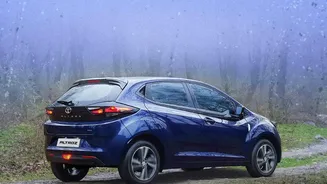
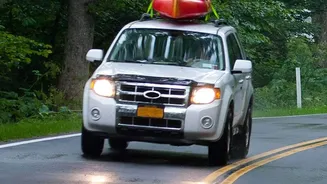
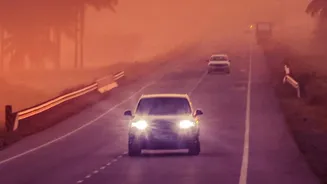
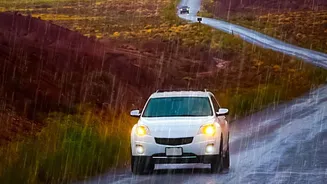
Ghats are notorious for unpredictable weather, and visibility can drop to near zero in minutes due to fog or heavy rain. Understanding your car's lighting system is crucial. Fog lights are designed to be used only when visibility is severely restricted, typically below 100 metres. They cast a wide, low beam that illuminates the road directly in front of the car, cutting under the fog rather than reflecting off it. Always use them with your low-beam headlights, never with high beams, which will only create a blinding wall of glare. It’s equally important to turn them off as soon as visibility improves to avoid dazzling other drivers. Also, ensure all your lights—headlights (both high and low beam), tail lights, and indicators—are clean and working perfectly before you start.
Beyond the Basics: Essential Mechanical Checks
While tires and lights are specific callouts for a ghat journey, your car's general health is just as important. The braking system will be under immense strain during long descents. Check your brake fluid level and listen for any squealing or grinding sounds. If the brake pedal feels spongy, get it inspected by a mechanic. Similarly, continuous climbing can heat up the engine, so ensure your coolant level is optimal and there are no visible leaks in the engine bay. Check your engine oil and top up if necessary. A quick check of the battery terminals for corrosion can also prevent the headache of a car that refuses to start in a remote location.
Driving Techniques for Winding Night Roads
Driving on ghats at night requires a different mindset. Speed is not your friend here; caution is. Use lower gears when climbing to maintain power and when descending to use engine braking, which saves your brakes from overheating. Honk lightly before blind curves to alert oncoming traffic of your presence. Maintain a generous following distance from the vehicle ahead, as sudden stops are common. Be especially wary of heavy trucks and buses, which move slowly and may not have adequate rear lighting. Finally, manage driver fatigue. Plan for breaks every two hours to stretch and refresh yourself. Driving drowsy is as dangerous as driving drunk, so if you feel tired, pull over at a safe, well-lit place and rest.
Packing Your Emergency Toolkit
On an overnight trip through the ghats, you are your own first responder. Mobile networks can be patchy, and roadside assistance may be hours away. Pack a well-stocked emergency kit. This should include a basic toolkit, a puncture repair kit, and a portable tire inflator. Also carry jumper cables, a powerful flashlight, a first-aid kit with essential medicines, and extra drinking water and non-perishable snacks. These simple items can turn a potential disaster into a minor inconvenience, ensuring you can handle small issues yourself and wait safely for help with bigger ones.