

The Plant-Based Iron Challenge
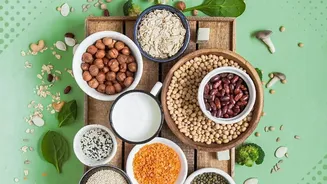
Plant-based foods like legumes, leafy greens, and whole grains are excellent sources of protein and iron. However, the iron they contain is a specific type called non-heme iron. Unlike heme iron found in animal products, non-heme iron is less easily absorbed
by our bodies. This is due to its chemical structure and the presence of natural compounds in plants, such as phytates and polyphenols, which can inhibit absorption. This means that even if a plant-based meal is technically high in iron, your body might only be able to use a small fraction of it, which can be a concern for those relying on plants for their nutritional needs.
Vitamin C: The Key to Unlocking Nutrients
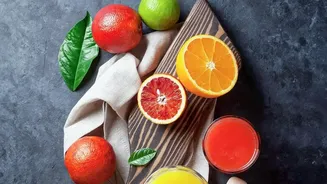
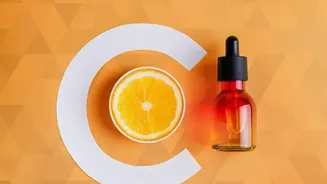
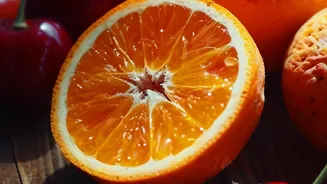
This is where vitamin C, or ascorbic acid, becomes a plant-based diet's best friend. Decades of research have shown that vitamin C is a powerful enhancer of non-heme iron absorption. Its magic lies in its ability to chemically change the iron into a more usable form. Vitamin C converts ferric iron (Fe3+), the form found in plants, into ferrous iron (Fe2+), which is the form our intestines can readily absorb. It also forms a protective, soluble complex with the iron as it travels through your digestive system. This prevents the iron from binding with inhibitors like phytates (found in grains) and polyphenols (found in tea and coffee), ensuring more of it is available for your body to use.
Powerful Pairings: Legumes and Lentils
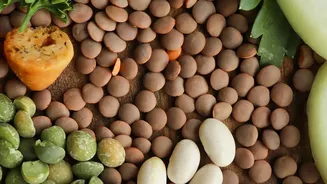
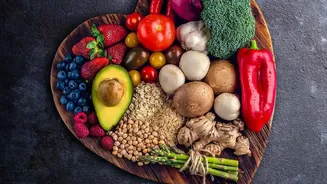
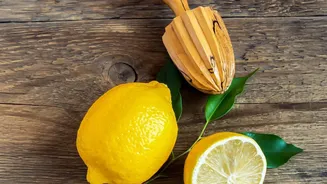
Putting this science into practice is simple and delicious. The goal is to combine your protein-rich legumes with foods that are naturally high in vitamin C. For example, when you prepare a hearty lentil soup, finish it with a generous squeeze of fresh lemon juice. If you're making a chickpea curry, make sure to include plenty of tomatoes and bell peppers, both of which are excellent sources of vitamin C. A classic bean salad can be transformed by adding chopped parsley, bell peppers, and a citrus-based vinaigrette. Even a simple snack of hummus becomes more potent when paired with red pepper strips for dipping instead of just pita bread.
Powerful Pairings: Greens, Grains and Tofu
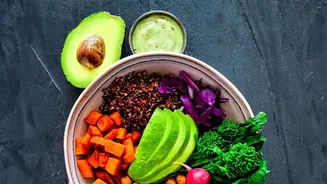
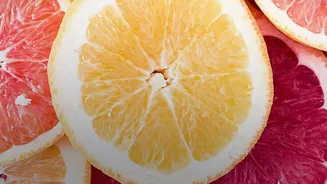
The principle extends across all categories of plant foods. A spinach salad, packed with non-heme iron, becomes a nutritional powerhouse when tossed with mandarin oranges or sliced strawberries. When preparing a tofu or tempeh stir-fry, load it up with vitamin C-rich vegetables like broccoli, bok choy, and snow peas. Cooking these vegetables lightly, such as through a quick stir-fry or blanching, helps preserve their vitamin C content, which can be diminished by prolonged high heat. Even your morning oatmeal can get a boost; topping it with berries provides a dose of vitamin C to help you absorb the iron from the whole grains.
Simple Tips for Maximum Absorption
Incorporating this strategy doesn't require a complete overhaul of your diet. Start with small, consistent changes. Add a side of steamed broccoli to your bean-and-rice bowl. Squeeze lime over your black bean tacos. Choose a tomato-based sauce for your whole-wheat pasta. It's important to have the vitamin C present in the same meal as the iron for the effect to work. Also, be mindful of iron absorption blockers. Calcium can compete with iron, so it might be wise to separate calcium-rich foods or supplements from your main iron-heavy meals. Similarly, if you enjoy coffee or tea, consider having them between meals rather than with your iron-rich plant-based dish to minimise their inhibitory effect.