





Recognising the Early Warnings
Knee joint wear, often the beginning of conditions like osteoarthritis, doesn't appear overnight. It starts with subtle signals that are easy to dismiss as normal aches. One of the most common early signs is joint stiffness, especially after periods of inactivity,
like sitting at your desk or after a long car ride. This stiffness usually eases with a little movement. You might also notice a mild, dull ache in your knee during or after activities like climbing stairs. Another key indicator can be a soft cracking or popping sound, known as crepitus, when you bend or straighten your knee. Occasional swelling or a feeling of warmth in the joint after a particularly active day can also be an early warning. Recognising these symptoms early is crucial because it allows you to make proactive changes before the issue progresses.
How Modern Work Habits Strain Your Knees
Today’s work environment, even for active adults, often contributes significantly to knee strain. Prolonged sitting is a major culprit. When you sit for hours, especially in a chair that isn't properly adjusted, the muscles that support your knees, like the quadriceps and hamstrings, can weaken. This inactivity also reduces the circulation of synovial fluid, the natural lubricant in your joints, leading to increased stiffness. Poor posture, such as slouching or crossing your legs for long periods, adds to the problem by placing uneven pressure on your knee joints. Even for those in more physically active jobs, repetitive motions like frequent kneeling, squatting, or walking on hard surfaces can lead to overuse injuries and accelerate joint wear.
Ergonomics: Your First Line of Defence
Creating a knee-friendly workspace is a powerful first step. Start with your chair. Adjust its height so your feet are flat on the floor and your knees are at a 90-degree angle, either level with or slightly below your hips. If your feet don't reach the floor comfortably, use a footrest to relieve pressure. Position your monitor at eye level to prevent slouching, which can throw off your entire posture and indirectly strain your knees. Supportive footwear also plays a role. Shoes with good cushioning help absorb shock and maintain proper alignment when you're walking around the office. These simple ergonomic adjustments reduce the constant, low-grade stress on your joints throughout the day.
Movement Is Medicine: Desk-Side Exercises
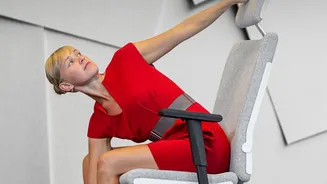
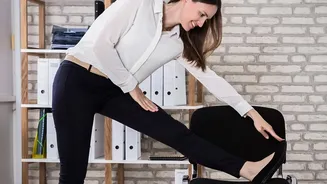
Integrating small movements and stretches into your workday can make a huge difference. The goal is to keep the joints lubricated and the supporting muscles active. Try seated leg extensions: while sitting tall, slowly extend one leg until it's straight, hold for a few seconds, and then lower it. Repeat this 10 times on each leg to strengthen the quadriceps muscles that support the knee. Another simple exercise is the seated hip stretch, where you cross one ankle over the opposite knee and gently lean forward to stretch the hip muscles, which can become tight from sitting. Taking short breaks every hour to simply stand up and walk around your workspace promotes blood flow and prevents stiffness.
Smarter Habits for Long-Term Mobility
Beyond ergonomics and exercises, adopting smarter daily habits can protect your knees for years to come. Whenever possible, take the stairs, as this helps strengthen the muscles around your joints. Stay hydrated throughout the day, as proper hydration is essential for joint health. Pay attention to how you lift things, even if it's just a box of paper; always bend at your knees, not your waist, to engage your leg muscles and protect both your back and knees. Strengthening the muscles around the knee is one of the most effective ways to protect the joint, as strong muscles act as shock absorbers and provide stability. By combining awareness of early symptoms with these proactive adjustments, you can take control of your joint health and maintain the active lifestyle you enjoy.