






A Tale of Two Monsoons
The Indian monsoon, while vital for the subcontinent, is becoming increasingly volatile and dangerous in the Himalayas. States like Himachal Pradesh and Uttarakhand are currently grappling with the consequences. As of late July 2026, the India Meteorological
Department has issued red alerts for these regions, warning of extremely heavy rainfall, flash floods, and landslides. Key highways to popular destinations like Shimla, Manali, Nainital, and the Char Dham Yatra routes face severe disruptions and closures. For travellers, this means cancelled plans, getting stranded for days, and genuine risk. This pattern of erratic, intense rainfall, linked to climate change, makes traditional monsoon getaways a high-stakes gamble. Reports from recent years are filled with stories of blocked roads, damaged infrastructure, and tourists caught in perilous situations, forcing a collective rethink of monsoon travel plans.
The High-Altitude Desert Escape
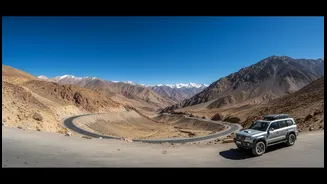
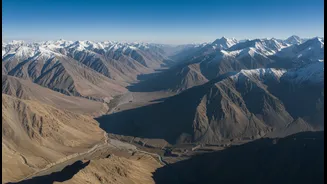
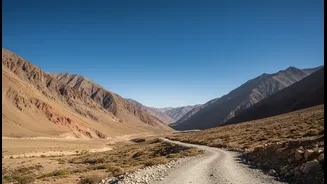
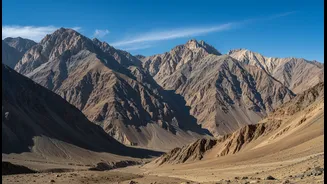
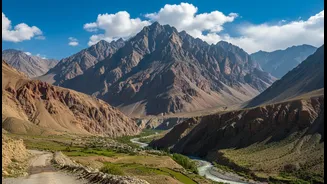
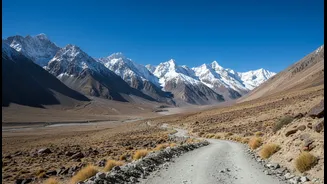
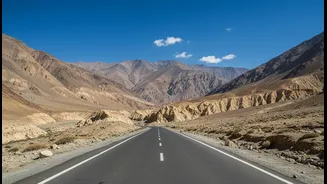
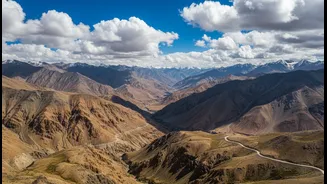
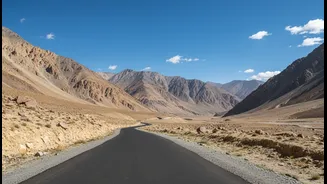
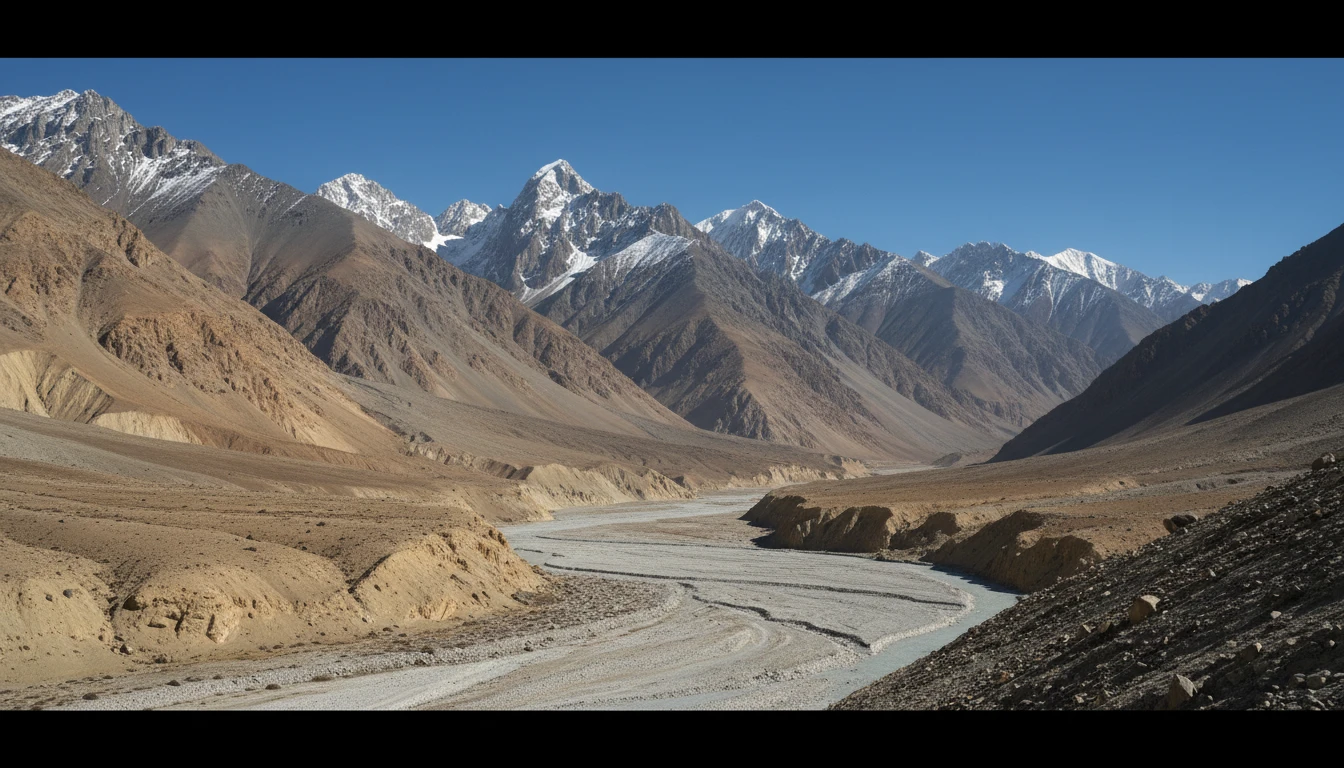
Enter Ladakh and Spiti Valley. Geographically, these regions are a world apart from the lush, rain-soaked slopes of the lower Himalayas. Lying on the leeward side of the great Himalayan range, they are located in a 'rain shadow'. The towering mountains block moisture-laden monsoon clouds from reaching these valleys, resulting in an arid, cold desert climate that receives minimal rainfall. While Shimla and Nainital are being drenched, Leh and Kaza are bathed in sunshine. This makes them uniquely accessible and safe to travel to during the very months when other mountain areas are treacherous. This climatic advantage has transformed them from niche adventure spots into mainstream sanctuaries for travellers seeking a mountain experience without the monsoon risk. They offer the thrill of the Himalayas with the assurance of clear skies and open roads.
The Numbers Tell the Story
This shift in travel preference is no longer a niche trend; it's a mass movement reflected in official numbers. In the first half of 2026, Ladakh witnessed a historic tourism boom, welcoming over 2.25 lakh visitors—a more than 43% increase compared to the same period last year. June 2026 alone saw a 43% jump in arrivals over June 2025. This surge is not just domestic. Foreign tourist arrivals have nearly doubled, signaling a growing international recognition of Ladakh as a prime, year-round destination. Spiti Valley, while harder to track with precise numbers, is experiencing a similar influx, with reports of traffic congestion and fully booked accommodations becoming common. This migration of tourists is a direct response to the perceived safety and predictability of these rain-shadow regions during the monsoon season.
A Paradise Under Pressure
This flood of visitors, while a boon for the local economy, is placing immense strain on the fragile ecosystems and limited resources of these high-altitude deserts. Overtourism is no longer a distant threat but a present-day crisis. Water, already a scarce resource in these cold deserts, is being diverted for hotels and tourist facilities, often at the expense of local communities. Waste management is another critical issue, with mounds of plastic and other non-biodegradable trash accumulating in once-pristine landscapes. The surge in vehicle traffic is causing congestion and polluting the clean mountain air. Local culture is also facing pressure, with traditional ways of life being commercialized. While tourism provides vital income, the current rate of growth is proving to be unsustainable, leading to protests from residents and calls for better regulation.