



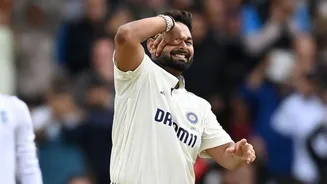
A Tough Tour Down Under
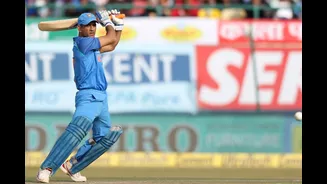
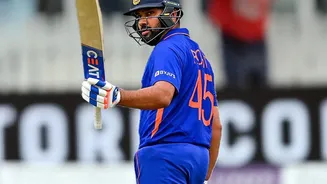
The recently concluded ODI series in New Zealand has been a tough one for the Indian side and a particularly bruising one for Rohit Sharma. After scores of 0 and 23 in the first two matches, all eyes were on the 'Hitman' in the fourth ODI. Chasing a mammoth
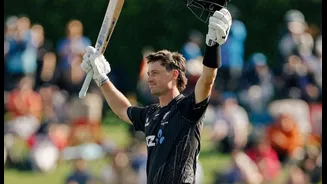
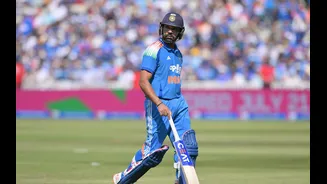
334, India needed its senior-most batter to fire. Instead, he was dismissed for a duck, part of a top-order collapse orchestrated by pacer Matt Henry that saw India slump to an embarrassing defeat. Three matches, three failures. The numbers are stark and have provided ample fuel for critics and concerned fans alike. In conditions that have consistently favoured seam and bounce, Rohit has appeared uncomfortable, a shadow of the player who dominated attacks at will. The dismissals tell a story of a player struggling for rhythm, culminating in a humbling series loss that has amplified questions about his place.
Form is Temporary, Class is Permanent
It’s easy to call for a player’s head after a few bad performances. In the high-pressure cooker of Indian cricket, memories are often short. But writing off a player of Rohit Sharma's stature is a perilous game. We are talking about a man with over 12,000 ODI runs, the only player to score three double-centuries in the format, and a batter who has consistently been one of India's most prolific run-scorers. This isn't just any player; this is an all-time great of the 50-over game. A lean patch, especially in challenging overseas conditions, is part of any cricketer's journey. While his recent form in New Zealand was poor, it comes after a strong year overall, where he has scored over 600 runs at an average exceeding 50, including two centuries. Judging him solely on this series ignores the vast body of work that demonstrates his world-class ability.
The Knock at the Door Gets Louder
However, the context around Indian cricket has changed. The bench strength is formidable, and a host of young, hungry openers are waiting in the wings. Players who have excelled in domestic cricket and for India 'A' are making compelling cases for inclusion. This constant pressure is a reality of modern Indian cricket. While Rohit's legacy is secure, the selectors are tasked with building a team for the future, with an eye on the 2027 World Cup. The conversation is no longer just about whether Rohit is good enough, but whether a younger player could offer more in the long run. Every failure from a senior player provides an opportunity for a rising star, and the calls for a transition, however premature, will only grow louder with each low score.
Beyond the Batting Numbers
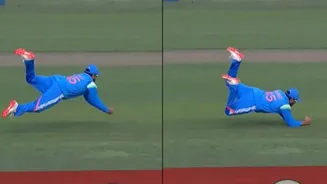
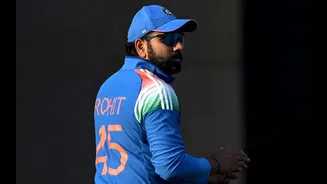
What complicates the debate is Rohit’s immense value beyond his individual scores. As a former captain and one of the most senior figures in the dressing room, his experience is invaluable. He is a tactical brain, a mentor to younger players, and a calming presence in high-stakes situations. His leadership and guidance contribute in ways that don't always appear on a scorecard. Even during his struggles with the bat in New Zealand, his experience in the field was on display, including taking a brilliant catch to dismiss Finn Allen in the fourth ODI. The selectors face a difficult balancing act: weighing his current form against his unparalleled experience and leadership qualities, which are crucial for nurturing the next generation of Indian cricketers.