






The Dawn of the 'Workation'
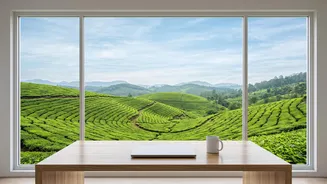
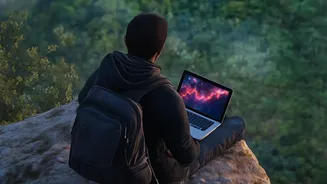
The most significant shift is the rise of the 'workation' — a trip that blends work and leisure. Instead of squeezing travel into a few weeks of annual leave, professionals are packing their laptops and swapping city apartments for beachside cafes in Goa
or mountain-view homestays in Himachal Pradesh. This trend allows people to escape their routine and work from inspiring new locations without taking a career break. The core idea is to maintain productivity during work hours and explore a new place in the evenings and on weekends. This shift is driven by the realisation that a change of scenery can boost creativity and reduce burnout.
From Weekend Sprints to Slow Travel
Remote work is untethering Indians from the classic short-burst holiday model. With no immediate need to return to a physical office, travelers are embracing longer stays. This has fuelled the 'slow travel' movement, which focuses on spending weeks or even months in a single destination rather than hopping between multiple cities. This approach allows for a deeper, more immersive experience of the local culture, food, and community. It's a shift from being a tourist to becoming a temporary resident. Travel platforms and homestays are adapting by offering discounted rates for weekly or monthly bookings, making these extended stays more affordable.
New Destinations on the Digital Nomad Map
While Goa and Manali remain popular, the digital nomad map of India is expanding rapidly. Improved internet connectivity, especially the rollout of 5G, has made once-remote locations viable workplaces. Hill stations in Uttarakhand like Rishikesh and Nainital, and even more offbeat places in the Northeast like Shillong, are attracting remote workers. In the south, beyond the tech hub of Bengaluru, coastal towns in Kerala like Varkala and the historic city of Kochi are becoming hotspots. Cultural hubs like Jaipur are also gaining traction, offering a blend of heritage and modern cafes with reliable Wi-Fi. This dispersal is helping lesser-known destinations gain visibility.
The Economic Ripple Effect
This new travel pattern is creating significant economic ripples, especially in smaller towns. The influx of long-stay visitors provides a steady stream of income for local businesses that were previously dependent on seasonal tourism. Homestays, local cafes, and coworking spaces are seeing increased demand. However, this trend also presents challenges. In some popular areas, the surge in demand has led to rising rents and concerns about preserving the local culture and affordability for residents. Despite these concerns, the overall impact appears to be a positive boost for local economies, encouraging the development of better infrastructure and services.
Blurring the Lines: A New Work-Life Integration
The workation lifestyle requires discipline. The key challenge is to find a balance between professional responsibilities and the temptation to explore. Successful digital nomads emphasize the need for a strict routine, setting clear work hours to ensure productivity isn't compromised. While social media often portrays an idyllic image of working from a hammock, the reality involves ensuring stable internet, finding ergonomic workspaces, and managing time zones. Despite the logistical hurdles, many find the blend of work and travel to be incredibly rewarding, offering a better work-life balance and a more fulfilling lifestyle than the traditional nine-to-five.