




What is a Slow Holiday, Anyway?
Forget seven cities in ten days. Slow travel is the art of staying put. It’s about choosing one destination and exploring it for an extended period, from a week to over a month. The philosophy prioritises depth over distance, connection over checklists,
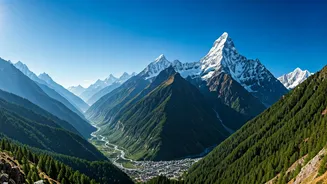
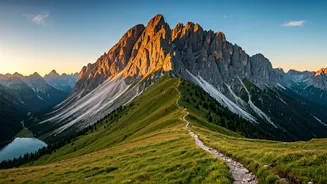
and local experiences over crowded landmarks. This approach swaps packed itineraries for unplanned time, encouraging travellers to visit local markets, take forest walks, or simply relax in a seaside café. The goal is to immerse oneself in the local way of life, experiencing a destination as a resident would, not as a tourist on a tight schedule. This might mean learning to surf over several weeks in Kerala or understanding farming practices from locals in Himachal Pradesh.
The Post-Pandemic Push for Meaning
The global pandemic was a significant catalyst, forcing a collective pause and shifting travel patterns. Months of lockdowns and uncertainty led many to re-evaluate what makes a holiday worthwhile. Post-pandemic, there's been a clear move away from mass tourism towards 'new tourism' that emphasises nature, wellness, and safety. Travellers are now actively seeking out remote, less-crowded destinations that pose minimal health risks and allow for genuine disconnection. This search for more meaningful experiences has seen a surge in longer stays, with some booking platforms noting a 40% increase in such trips between 2021 and 2023.
The Ultimate Burnout Antidote
Modern urban life, with its relentless pace and digital overload, has left many feeling exhausted. A 2024 Deloitte survey found that 70% of Indian Gen Z and millennials reported experiencing burnout. In response, wellness has transformed from a luxury into a necessity, with travellers prioritising mental health and stress management. Slow travel directly addresses this, offering a chance to disconnect from screens and daily pressures. Destinations like Rishikesh, known for yoga and meditation, and Dharamshala, with its peaceful meditation centres, have seen a huge spike in interest. One travel platform, Agoda, noted a 154% year-on-year increase in searches for Dharamshala and a 65% rise for Rishikesh, confirming that relaxation is a top priority for 67% of Indian travellers.
A Deeper, More Authentic Connection
Many travellers are tired of the superficial nature of conventional tourism, where social media trends can strip a place of its charm. There's a growing desire to move beyond just 'seeing the sights' and to form a genuine connection with a place’s culture and people. Slow holidays facilitate this by allowing for unhurried exploration and authentic interactions. This has fuelled a movement sometimes called 'anti-tourism', where vacationers ditch overcrowded hotspots for quieter escapes that support local communities. By staying longer, travellers can support local homestays, neighbourhood guides, and independent artisans, ensuring their money benefits the people who live there.
The Practical Perks: Cost and Remote Work
Beyond the philosophical appeal, slow travel is often more budget-friendly. Staying in one place for an extended period can lead to better deals on accommodation and significantly reduces transportation costs. The rise of remote work has also been a major enabler, allowing digital nomads and those with flexible jobs to indulge in 'workations' or 'bleisure' travel. This flexibility allows for longer, more immersive stays without sacrificing professional commitments. The combination of being able to work from anywhere and the cost-effectiveness of longer stays has made slow travel an accessible and attractive option for many more Indians.