




Why Monsoon Fuel Planning is Different
Driving during the monsoon isn't just about navigating wet roads; it's about managing uncertainty. A fuel station that was perfectly accessible in the dry season might be on a waterlogged approach road or temporarily closed due to power outages or supply
issues. For anyone travelling in a group, whether a convoy of cars or a motorcycle club, this uncertainty multiplies. A single vehicle running low on fuel can halt the entire group, turning a scenic journey into a logistical headache. This is why a 'we'll find one along the way' approach is risky. Monsoon travel demands a proactive, data-driven strategy for essentials like fuel.
Understanding Real-Time Group Maps
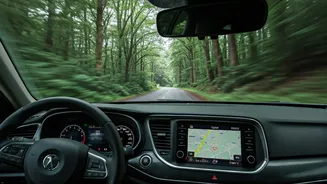
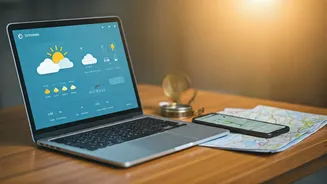
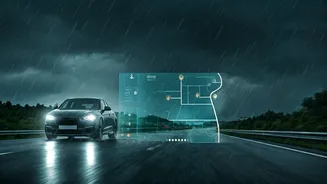
The game-changer for modern road trips is the ability to see your entire group on a single map in real time. This isn't a futuristic concept; it's a feature built into apps many of us already use. Tools like Google Maps' 'Location Sharing' allow a designated group of people to see each other's live GPS location on a shared map interface. Other dedicated apps for road-trippers and bikers offer similar, sometimes more advanced, features. The power of this technology is twofold: it allows for seamless coordination without constant phone calls, and it enables dynamic, collective decision-making. You can see who is falling behind, who is closest to the next turn, and, crucially, who needs a fuel stop soonest.
Step 1: Map Your Primary and Backup Stops
Before you even start the engine, your planning begins. Open your mapping application of choice and plot your main route. Now, search for 'petrol pump' or 'fuel station' along that route. Don't just pick the first ones you see. Zoom in using the satellite view to assess their accessibility. Is the station on a major highway or a small service road that might get flooded? Check recent reviews or photos if available; users often report temporary closures or issues. For every primary fuel stop you plan, identify at least one or two backup options within a 20-30 km radius. Pin each of these locations on your map. This creates a resilient fuel network for your trip, so a single closed station doesn't derail your entire day.
Step 2: Create a Shared Group Map
This is where coordination becomes simple. Once you have your primary and backup fuel stops pinned, create a shared map or use the location sharing feature. Most apps allow you to share a link that your friends can open, instantly adding them to the group view. Everyone in the convoy should be part of this shared map before the trip begins. This ensures that every member has access to the same pre-planned information. The driver with the smallest fuel tank or lowest efficiency can communicate their range, allowing the group to collectively decide which of the pre-planned stops makes the most sense. This collaborative approach prevents one person from running on fumes while others have full tanks.
Step 3: Execute and Adapt in Real-Time
On the day of the drive, your shared map becomes your command centre. As you approach a planned fuel stop, the lead car can confirm its status. Is it open? Is there a long queue? Is the entry road clear? This information can be relayed to the group instantly via a quick message. If the planned stop is a no-go, a quick glance at the shared map shows everyone where the nearest pre-vetted backup is located. Because everyone can see each other's live position, the group can decide whether to wait and regroup or have the cars with lower fuel proceed to the backup station first. This dynamic navigation turns a potential crisis into a simple, collaborative detour.
Essential Non-Digital Precautions
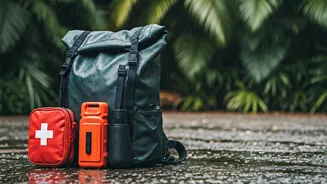
Technology is a powerful aid, but it's not a substitute for common sense. During the monsoon, adopt the 'half-tank rule': start looking for a fuel station whenever your tank drops below half. This gives you a massive buffer against uncertainty. Also, in many rural or remote areas, digital payment systems can be unreliable, especially during bad weather. Always carry enough cash to pay for a full tank of fuel for every vehicle in your group. Finally, while carrying extra fuel in jerrycans can be an option, check local laws and ensure you are using approved, safe containers and storing them correctly to avoid any danger.