





Understanding the Monsoon Fabric Challenge
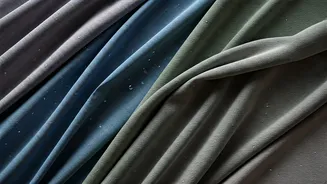
Dressing for India's wet season is a science. The primary goals are to stay cool in the oppressive humidity and to wear something that won't become a heavy, transparent mess after a sudden shower. The ideal monsoon fabric should be three things: breathable,
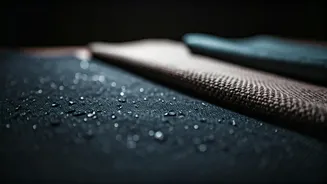
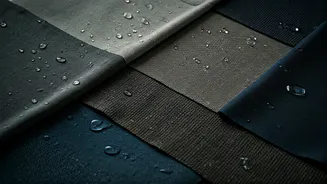
quick-drying, and lightweight. Breathability allows air to circulate, preventing that sticky, damp feeling caused by trapped sweat and humidity. Quick-drying properties are crucial because clothes take significantly longer to dry, and a fabric that sheds water quickly is less likely to become uncomfortable or develop a musty odour. Heavy materials, on the other hand, absorb and hold moisture, making them impractical.
The Natural Fibre Contenders
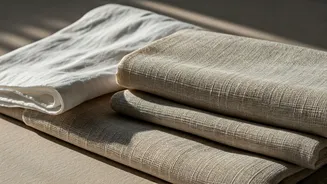
Cotton is often the first fabric that comes to mind for Indian weather, and for good reason. It's exceptionally breathable and soft, making it comfortable against the skin in humid conditions. Lighter-weight cottons like mulmul, voile, and handloom cotton are excellent choices for daily wear. However, cotton has a major drawback: it absorbs a lot of moisture and is slow to dry. When wet, it can become heavy and clingy. Linen is another strong natural contender, prized for its superior breathability and quick-drying nature; it's one of the best fibres for handling moisture. The downside is that pure linen wrinkles very easily, though cotton-linen blends offer a good compromise, providing the quick-dry benefits of linen with the softer structure of cotton.
The Semi-Synthetic and Synthetic Champions
This is where modern and blended fabrics truly shine. Rayon, a semi-synthetic made from wood pulp, is a popular monsoon choice because it's lightweight, breathable, and drapes beautifully, resembling silk without the fuss. It absorbs moisture without trapping body heat, helping you stay cool. Other semi-synthetics like Modal and Lyocell (Tencel) are also fantastic options, as they dry much faster than cotton and resist that damp, heavy feeling. When it comes to pure synthetics, fabrics like polyester, georgette, and crepe are monsoon powerhouses. Their primary advantage is that they are hydrophobic, meaning they don't absorb water. This makes them incredibly quick to dry, often in just an hour or two, and resistant to mould. While some polyesters can feel less breathable in the heat, modern performance blends are engineered to wick moisture away from the skin, making them suitable for active use.
Fabrics to Strictly Avoid
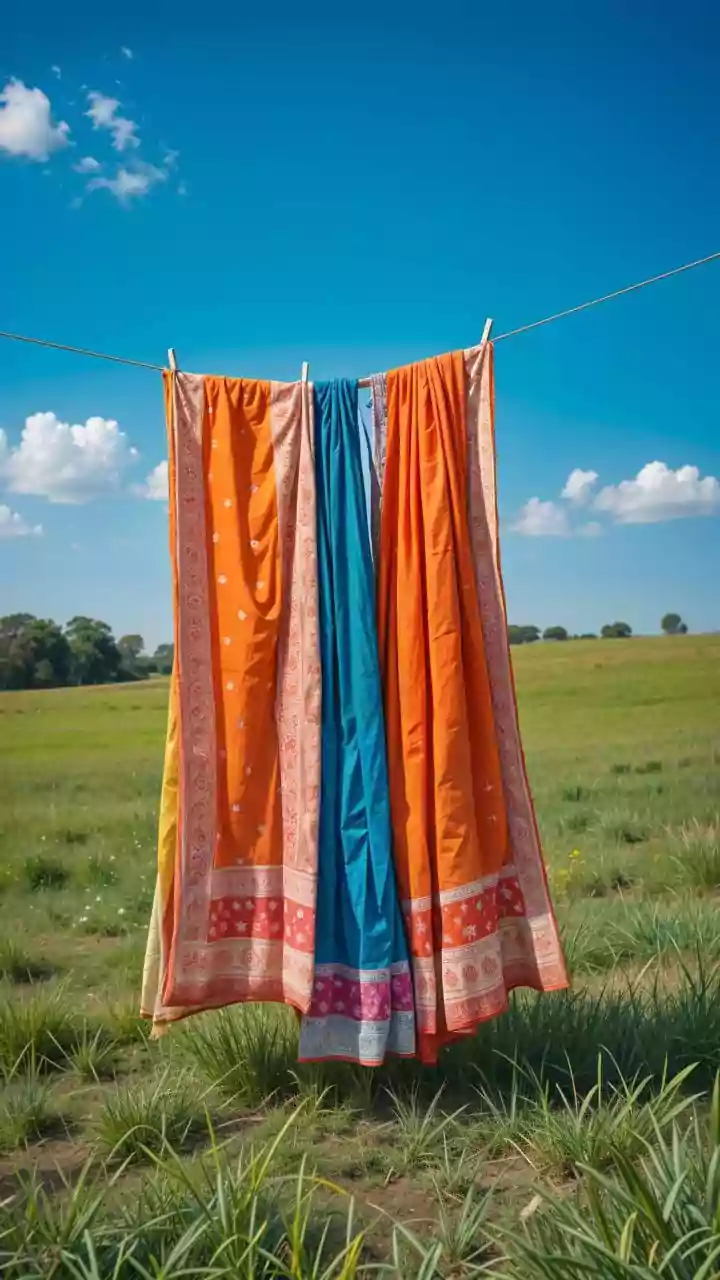
Just as important as knowing what to wear is knowing what to avoid. Heavy fabrics are the number one enemy of monsoon comfort. Denim is a prime example; it's thick, absorbs a massive amount of water, and can take days to dry in high humidity. Similarly, heavy silk, velvet, and fabrics with dense embroidery or zari work should be packed away. Silk can develop permanent water spots, and heavy embellishments trap moisture against the skin. While pure polyester is great for its quick-dry properties, very dense, cheap polyester should be avoided as it completely traps heat and moisture, leading to extreme discomfort. The key is to check the weight and weave; if it feels light and airy, it's likely a better choice.