


Understanding the Vrat Rules
Before planning your meals, it’s important to know the basics of a Janmashtami fast. Most devotees observe a ‘phalahar’ vrat, which is more common than the strict ‘nirjala’ (no food or water) fast. During a phalahar fast, grains like wheat and rice, lentils,
onions, garlic, and regular table salt are avoided. Instead, the diet revolves around fruits, milk products, and specific non-cereal flours and ingredients. These include sabudana (tapioca pearls), kuttu (buckwheat flour), singhara (water chestnut flour), and rajgira (amaranth). Potatoes, sweet potatoes, pumpkin, and bottle gourd are common vegetables, and sendha namak (rock salt) is used for seasoning.
Morning: Start with Hydration
The fast traditionally begins at sunrise. If your personal tradition allows for a pre-dawn meal or you have a long day ahead, you can start with something light. A glass of milk, a bowl of fresh fruit, or a handful of soaked almonds can provide a gentle energy boost. For most, the day starts with prayers. Throughout the morning, focus on staying hydrated. Water, coconut water, and fresh fruit juices (without added sugar) are excellent choices to prevent dehydration and keep hunger pangs at bay. Avoid tea and coffee, as they are generally not consumed during a traditional fast.
Mid-Day: Light and Energising Snacks
As the day progresses, you might feel the need for a light snack. This is where vrat-friendly options come in handy. A bowl of fruit chaat, seasoned with a pinch of rock salt and pepper, is a refreshing choice. Roasted makhana (fox nuts) are another popular and filling option; you can toss them in a little ghee and sendha namak. A small bowl of curd or a glass of lassi can also be very soothing and provides a good dose of protein and calcium to keep you going until your evening meal.
Evening: A Substantial Vrat Meal
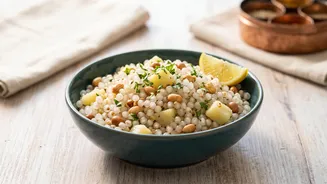
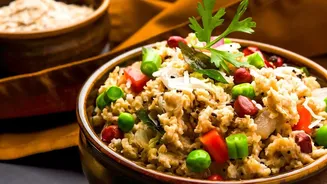
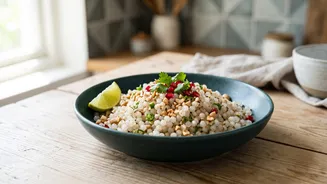
As evening approaches and you prepare for the midnight celebrations, a more substantial meal is in order. This meal should be satisfying but still adhere to vrat rules. A classic combination is Kuttu ki Puri or Rajgira ki Puri served with a simple Vrat Wale Aloo ki Sabzi. Sabudana Khichdi, made with soaked tapioca pearls, peanuts, and potatoes, is another beloved and filling dish. For a different texture, you can try Samak Rice Pulao, which can be cooked with vegetables and spices allowed during the fast. The goal is to eat something that gives you sustained energy for the evening prayers and vigil.
Midnight: Breaking the Fast
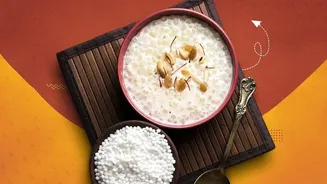
The fast is traditionally broken after the midnight puja that celebrates Lord Krishna's birth. The first thing consumed is usually the prasad offered during the puja. This often includes Panchamrit, a sacred mixture of milk, curd, ghee, honey, and sugar, as well as Makhan Mishri (white butter and sugar candy). After consuming the prasad, it is best to have a light and soothing meal rather than something heavy or deep-fried. A small bowl of sabudana kheer, makhana kheer, or a warm halwa made from singhara atta (water chestnut flour) is a comforting way to break the fast. Some may have a glass of milk or fruit before retiring for the night.