




Understanding the Layers of Light
To get lighting right, it helps to think in three layers: ambient, accent, and task. Ambient light is the general, overall illumination for a room, like that from a ceiling fixture. Accent lighting draws attention to specific features, like a piece of
art. Task lighting, however, is the hero of functionality. It’s a focused, direct light designed for a specific activity, whether that’s chopping vegetables, reading a book, or working at a computer. The mistake many people make is relying solely on ambient light, which often creates harsh shadows and leaves key areas under-lit. By integrating task lighting, you can create a balanced and far more usable space.
The 'Just Right' Approach to Brightness
The beauty of task lighting is that it puts illumination exactly where you need it, preventing eye strain and improving safety for detailed work. Instead of flooding an entire room with intense light that can feel clinical or uncomfortable, you apply a stronger beam to a contained area. This creates comfortable contrast and depth in a room. For example, a bright overhead light might make a kitchen feel sterile, but combining it with under-cabinet lighting creates a functional workspace on the counters while keeping the rest of the room's atmosphere relaxed and inviting. Using dimmers on your main lights further enhances this effect, allowing you to dial down the ambient glow while your task light keeps your work area perfectly lit.
Key Areas That Benefit from Task Lighting
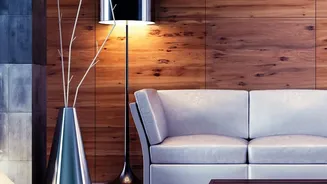
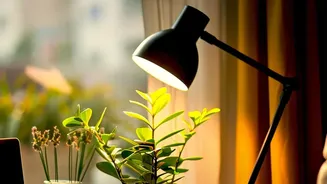
Almost every room has an activity zone that could be improved with dedicated lighting. In the kitchen, under-cabinet LED strips are a game-changer for food preparation, eliminating shadows cast by your own body. Pendant lights over a kitchen island serve a similar purpose. In the home office, an adjustable desk lamp is essential for reducing eye fatigue during reading and computer work. Living room reading nooks become much cozier and more functional with a dedicated floor lamp. In the bathroom, placing vanity lights on either side of the mirror provides even, shadow-free light for grooming, which is far more effective than a single overhead fixture.
How to Choose the Right Task Light
When selecting a task light, consider its form and function. Adjustable arms, gooseneck designs, and swing-arm lamps offer flexibility to direct light precisely where it's needed. The type of bulb matters, too. LEDs are energy-efficient and come in various color temperatures, measured in Kelvins (K). For task-oriented spaces like kitchens and home offices, a neutral to cool white light (around 3000K to 4000K) promotes focus and clarity. For relaxing tasks like reading in bed, a warmer white (around 2700K) is cozier. Also, pay attention to the Color Rendering Index (CRI), which measures how accurately a light source reveals the true colors of objects. For tasks like cooking or applying makeup, a CRI of 90 or higher is ideal.
Smart Placement for Maximum Impact
Positioning is everything when it comes to task lighting. The main goal is to illuminate your task without creating glare or obstructive shadows. For writing or computer work, position the lamp on the side opposite your dominant hand. If you are right-handed, the light should come from your left to prevent your hand from casting a shadow over your work. For desk lamps, an adjustable head allows you to angle the light directly onto your keyboard or papers, not your screen, to avoid glare. In the kitchen, under-cabinet lights should be mounted toward the front of the cabinet, not the back, to ensure they illuminate the center of the countertop.