




What Are the Orionids?
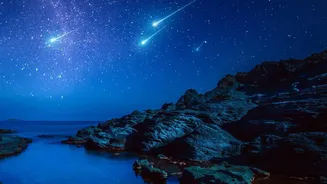
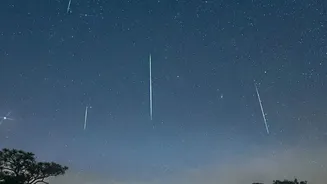
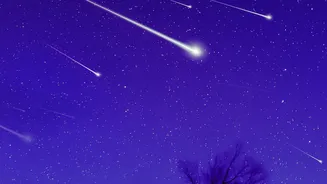
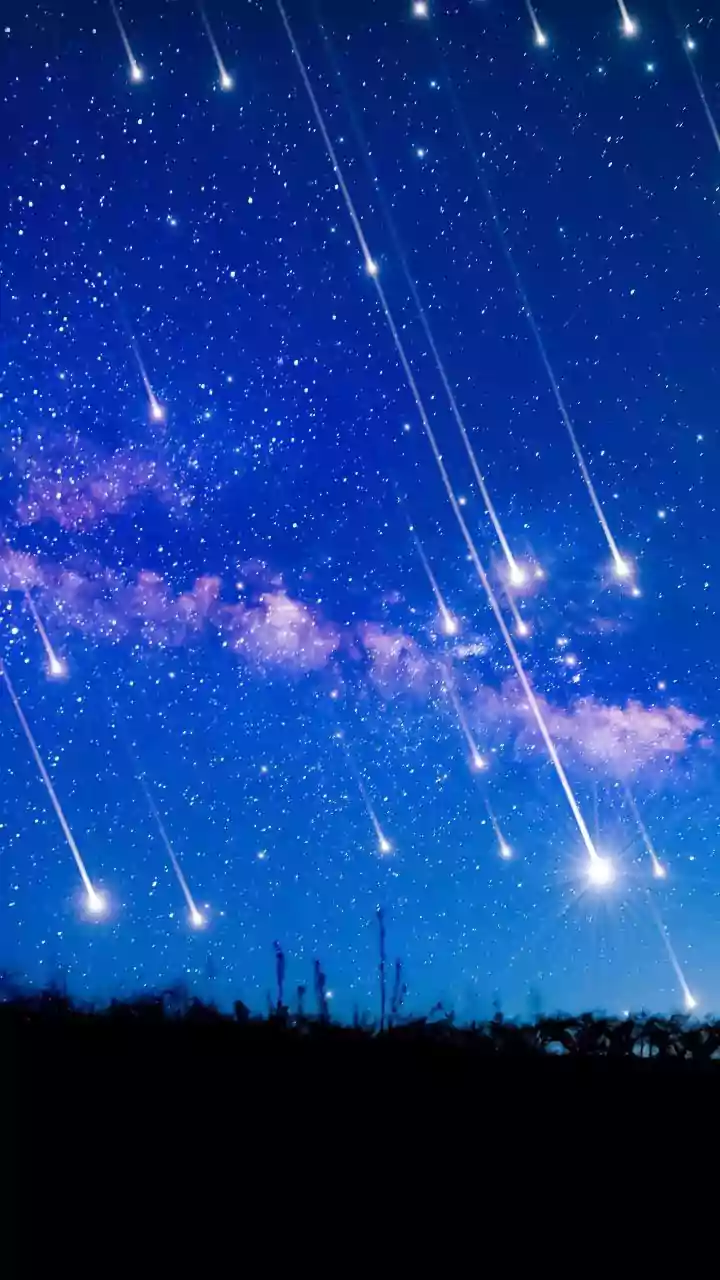
The Orionid meteor shower is an annual celestial event that occurs every October when Earth’s orbit intersects with a stream of cosmic debris. These tiny particles, many no bigger than a grain of sand, enter our atmosphere at incredibly high speeds—about
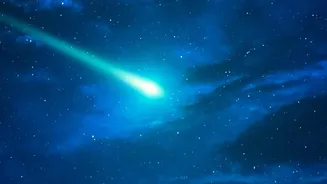
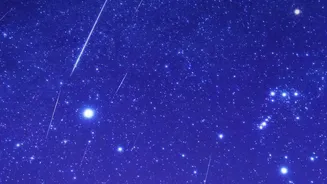
66 kilometres per second—and burn up, creating the brilliant streaks of light we call meteors or 'shooting stars'. The shower gets its name from the constellation Orion the Hunter, as the meteors appear to radiate from a point near one of its brightest stars, Betelgeuse. While their origin point is in Orion, the meteors themselves can flash across any part of the sky, so you don’t need to be an expert at identifying constellations to enjoy the show. The Orionids are known for being particularly fast and bright, and they sometimes leave behind glowing 'trains' of incandescent gas that can linger for a few seconds after the meteor has vanished.
A Link to a Legendary Comet
What makes the Orionid meteor shower truly special is its parentage. Every single meteor you see is a tiny fragment of the most famous comet in history: 1P/Halley, or Halley's Comet. This celebrated comet takes approximately 76 years to complete one orbit around the sun. Each time it swings through the inner solar system, the sun's heat vaporises its ice and dislodges a trail of dust and rock. Earth passes through this debris field not once, but twice a year. The first crossing in May gives us the Eta Aquariid meteor shower, and the second, in October, produces the Orionids. Halley’s Comet itself last graced our skies in 1986 and isn't due to return until 2061. So, watching the Orionids is a tangible connection to this historic cosmic visitor—a chance to see pieces of it light up our atmosphere.
Your 2026 Viewing Guide: Peak Dates and Times
The Orionid meteor shower is active from early October through the first week of November. However, the best time to watch is during its peak, when Earth moves through the densest part of the debris stream. For 2026, the peak is expected on the night of October 21 and into the pre-dawn hours of October 22. It's often a good idea to watch on the nights immediately before and after the peak as well, as activity can remain high. The show gets better as the night progresses. After midnight, the side of Earth you are on turns to face the direction of the incoming meteoroids, increasing the number of streaks you are likely to see. The best viewing window is therefore from late night until dawn.
The Challenge: A Bright Moon
Stargazers in 2026 will have to contend with a significant challenge: a bright waxing gibbous Moon. During the peak night of October 21-22, the Moon will be over 80% illuminated and will cast a lot of light across the sky, making it difficult to spot the fainter meteors. But don't lose hope. There is a prime viewing window. In 2026, the Moon will set around 3 a.m. local time for most observers in India. This opens up a period of genuine darkness in the hours just before dawn, between moonset and the first light of sunrise. This pre-dawn slot will be your absolute best opportunity to catch the show. Instead of a late night, consider setting an early alarm. The patience will be rewarded with a much darker sky and a better chance of seeing the Orionids in their full glory.
Checklist for a Perfect Viewing Experience
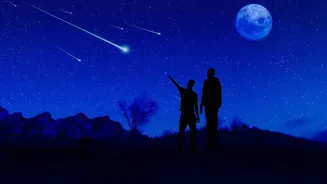
You don't need any special equipment to watch a meteor shower; in fact, your naked eyes are the best tools for the job since they allow you to see a wide swath of the sky. The most important factor is getting away from urban light pollution. Find a spot with a clear, open view of the sky, far from city and street lights. Locations like designated dark sky reserves, national parks, or even rural areas outside major cities like Delhi are ideal. Once you're there, give your eyes at least 20-30 minutes to fully adapt to the darkness—avoid looking at your phone screen during this time. Lie back on a blanket or a reclining chair to avoid neck strain. Even if the weather is pleasant, temperatures can drop overnight, so bring warm layers. Finally, be patient. Meteors often come in spurts, with lulls in between. Relax, look up, and enjoy the celestial spectacle.