






The Problem with Polished White Rice
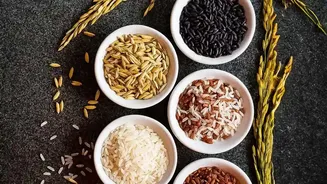
White rice is a staple in countless Indian households, loved for its versatility and comforting texture. However, the polishing process that gives white rice its characteristic appearance also strips it of its most nutritious layers—the bran and the germ.
What's left is mostly starchy endosperm, which is low in dietary fiber, vitamins, and minerals. This lack of fiber can lead to quicker digestion, causing spikes in blood sugar levels. A diet heavily reliant on low-fiber grains can also be less than ideal for our digestive system, which thrives on the roughage that keeps things moving smoothly and feeds the beneficial bacteria in our gut. While it remains a source of energy, its nutritional profile is significantly diminished compared to whole grains.
Why Your Gut Loves Dietary Fiber
Think of dietary fiber as the unsung hero of your digestive system. It comes in two forms: soluble, which dissolves in water, and insoluble, which does not. Insoluble fiber adds bulk to stool, which helps prevent constipation and ensures regular bowel movements. Soluble fiber can help manage blood cholesterol and sugar levels. More importantly, certain types of fiber act as prebiotics. This means they serve as food for the trillions of good bacteria living in your gut, collectively known as the gut microbiome. A healthy and diverse microbiome is crucial not just for digestion, but also for immune function, nutrient absorption, and even reducing inflammation throughout the body.
Spotlight On: Foxtail Millet (Kangni)
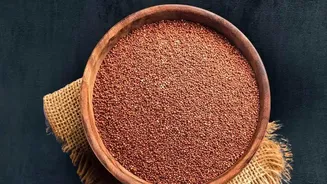
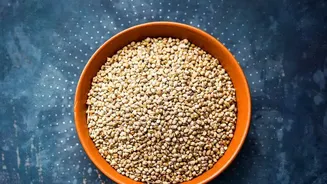
Foxtail millet, known as Kangni in Hindi or Thinai in Tamil, is a small, gluten-free grain that packs a serious nutritional punch. It's an excellent source of dietary fiber, with about 8 grams per 100g, which aids digestion and promotes a feeling of fullness, helping with weight management. Its high fiber content, combined with a low glycemic index, means it releases sugar into the bloodstream slowly, making it a fantastic choice for those looking to manage blood sugar levels. Foxtail millet is also rich in essential minerals like iron and magnesium, and its protein content is significantly higher than that of white rice. Its ability to nourish beneficial gut bacteria makes it a superb addition to a gut-friendly diet.
Spotlight On: Sorghum (Jowar)
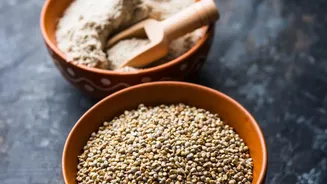
Sorghum, or Jowar, is another ancient grain experiencing a well-deserved resurgence. Naturally gluten-free, it's a safe and nutritious option for those with gluten sensitivities. Jowar is celebrated for its high fiber content, including resistant starch, which resists digestion in the small intestine and travels to the large intestine to feed healthy gut bacteria. This process supports a balanced microbiome and can reduce inflammation in the digestive tract. Furthermore, sorghum is rich in antioxidants like polyphenols, which have been shown to positively impact gut health. Its complex carbohydrates provide sustained energy, and it's a good source of protein, B vitamins, and essential minerals.
How to Make the Switch Effortlessly
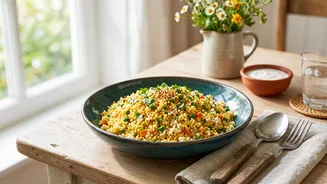
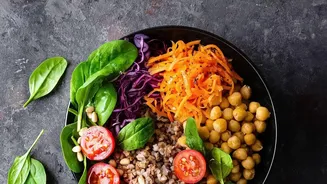
Adopting these grains doesn't mean you have to give up your favorite dishes. The transition can be simple and delicious. Start by mixing a small portion of cooked foxtail millet or jowar with your regular rice. You can gradually increase the ratio as your palate adjusts. Foxtail millet cooks up fluffy and light, much like rice, making it an easy substitute in pulao, biryani, or even as a side for dal and curries. It's best to soak it for at least an hour before cooking to improve its texture and digestibility. Jowar can be used as a whole grain similar to rice, though it's more popularly ground into flour for making rotis. However, cooked whole jowar has a pleasantly chewy texture and can be used in salads and grain bowls. Experiment with these grains in familiar recipes like upma or khichdi to discover their versatile, nutty flavours.