



The Golden Window for Peak Flavour
Roasted coffee is a fresh product, and its best flavours are fleeting. The moment beans leave the roaster, a clock starts ticking. For the first few days, beans degas, releasing carbon dioxide, a process that can interfere with brewing. Peak flavour is typically
achieved between four and fourteen days after the roast date. To enjoy your Chikmagalur and Coorg Arabica at its best, try to buy smaller batches of recently roasted beans—enough for one or two weeks—rather than stocking up for months. After about three to four weeks, you'll notice a significant drop in the aromatic complexity that makes these coffees so special.
Meet the Four Enemies of Fresh Coffee
To protect your beans, you need to understand what you're fighting against. Four main culprits are constantly working to rob your coffee of its flavour: oxygen, heat, light, and moisture. Oxygen causes oxidation, which makes the delicate oils in the coffee go stale, resulting in a flat or papery taste. Heat accelerates this process, breaking down aromatic compounds much faster. Light, especially direct sunlight, also degrades the beans through photo-oxidation. Finally, moisture is a major threat; coffee beans are hygroscopic, meaning they absorb moisture and odours from the air, which can ruin their flavour profile and even lead to mould.
Choose an Airtight and Opaque Container
The bag your coffee comes in is often not ideal for long-term storage, even if it has a zip seal. The single most important step you can take is to transfer your beans to an airtight container. This is your primary defence against oxygen. The container should also be opaque. While it’s tempting to display your beautiful beans in a clear glass jar, exposure to light will compromise their taste. Look for ceramic or stainless steel canisters with a silicone seal. Some advanced containers even feature a one-way valve that allows CO2 to escape without letting oxygen in, which is an excellent option for preserving freshness.
The Great Debate: To Freeze or Not to Freeze?
Storing coffee in the refrigerator is a common mistake and should be avoided. The fridge is a humid environment filled with other food odours, which your porous coffee beans will readily absorb. The constant temperature changes from taking the container in and out can also create condensation, which is damaging. The freezer is a slightly different story. It can be a viable option, but only for long-term storage of unopened bags. If you buy coffee in bulk, you can freeze it to pause the aging process. However, for daily use, it's best to avoid the freezer. Once you remove the beans, do not return them, as thawing can create moisture. A cool, dark pantry or cupboard is always the safest bet.
Buy Whole Beans and Grind Right Before Brewing
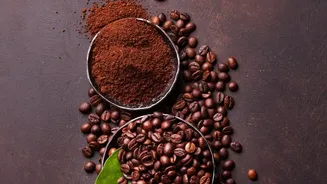
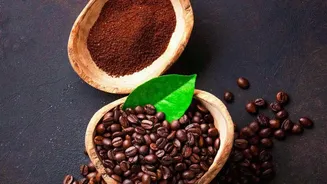
The final key to preserving flavour lies in the bean itself. Pre-ground coffee has a much larger surface area exposed to oxygen, causing it to go stale exponentially faster than whole beans. The incredible aroma you smell when you open a bag of ground coffee is the scent of flavour escaping. To capture those volatile compounds in your cup, it is essential to buy whole beans and grind only the amount you need immediately before you start brewing. Investing in a quality burr grinder is one of the best upgrades you can make to your coffee routine. Grinding slowly, especially with a manual grinder, produces less heat and helps preserve the delicate oils that carry so much of the coffee's unique character.