



Why Your Sweat Matters
When you exercise, your body sweats to cool down. But sweat isn't just water; it's a complex fluid containing various electrolytes, with sodium being the most significant. Sodium is vital for athletic performance. It helps maintain fluid balance, supports
muscle contractions, and enables nerve impulse transmission. Losing too much sodium without replacing it can lead to a drop in blood volume, making your heart work harder to pump blood to your muscles and skin. This can cause fatigue, muscle cramps, and reduced endurance. In severe cases, it can lead to a dangerous condition called hyponatremia, where sodium levels in the blood become dangerously diluted.
Introducing the Smart Sweat Patch
Enter the smart patch, a small, flexible biosensor that sticks directly to your skin like a bandage. These single-use or reusable devices are designed to capture and analyze your sweat as you exercise. Companies like Gatorade (with its Gx Sweat Patch), FLOWBIO, and hDrop have developed systems that provide real-time or post-workout analysis of key biomarkers. The goal is to move beyond generic hydration advice—like 'drink eight glasses of water'—and offer truly personalized feedback based on your unique body chemistry and workout conditions.
The Science Behind the Sensor
So, how do they work? Most smart patches use a technology called microfluidics. As you sweat, tiny channels within the patch collect a small sample. This sweat then interacts with integrated chemical sensors or colorimetric dyes that react to the presence of specific electrolytes, primarily sodium and chloride. In more advanced models, electronic sensors measure the conductivity of the sweat, which closely correlates to its sodium concentration. This data is then either stored for later analysis or transmitted wirelessly via Bluetooth to a companion app on your smartphone or watch in real time.
From Raw Data to Actionable Insights
A number on a screen is just data; the real power of these patches lies in their ability to translate that data into simple, actionable advice. The associated apps analyze your sweat rate and total sodium loss and combine it with details about your workout, like duration and intensity. The app can then tell you how much fluid you need to drink and how much sodium you should aim to replace. This helps you create a customized hydration strategy, advising whether water is sufficient or if you would benefit from an electrolyte drink to maintain peak performance and avoid cramping.
The Benefits for Everyday Athletes
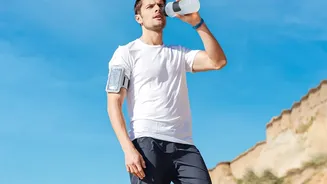
For anyone who enjoys running, cycling, or playing sports outdoors, especially in hot and humid climates, this technology is a game-changer. Every athlete's sweat profile is unique; the amount of sodium lost can vary dramatically from person to person. Knowing your personal sweat rate and sodium concentration allows you to hydrate more effectively, which can lead to significant improvements in endurance and performance. By replacing exactly what you've lost, you can stave off dehydration, reduce the risk of heat-related illness, and recover faster. It’s about working smarter, not just harder, by using data from your own body to guide your training and recovery.
The Future of Wearable Wellness
Sodium monitoring is just the beginning. The technology behind smart patches is rapidly evolving, with researchers and companies working on sensors that can track other biomarkers in sweat. Soon, these non-invasive patches might be able to monitor glucose levels for diabetes management, lactate for tracking muscle fatigue, or even cortisol to measure stress levels. As these sensors become more sophisticated and accessible, they promise to provide a comprehensive, real-time window into our overall health and wellness, all from a simple drop of sweat.