



Decoding 'Natural' and 'Fresh'
The terms 'natural' and 'fresh' on pet food packaging can be more about marketing than concrete nutritional standards. The Association of American Feed Control Officials (AAFCO) defines 'natural' as a food containing only ingredients from plant, animal,
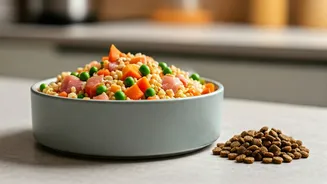
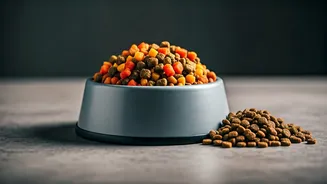
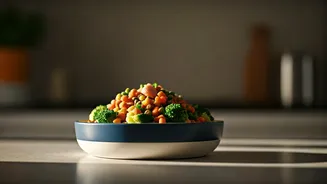
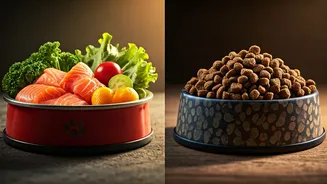
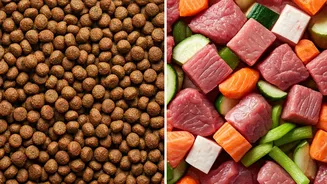
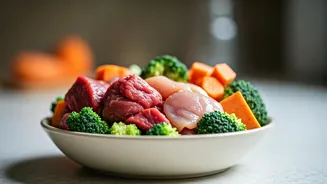
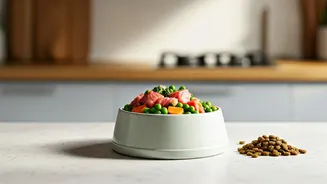
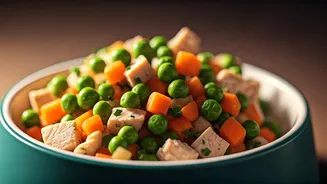
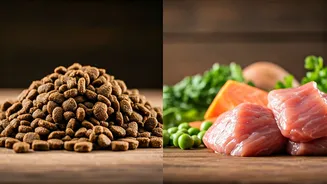
or mined sources, without artificial additives. 'Fresh' food typically refers to meals made from whole ingredients that are either lightly cooked or served raw, and are refrigerated or frozen to maintain freshness, unlike dry kibble or canned options. These meals often look like human food, which appeals to pet owners who view their pets as family.
The Potential Perks of a Fresh Diet
Advocates for fresh pet food often report numerous benefits, such as a shinier coat, increased energy, and better digestion. While many of these claims are anecdotal, some research suggests that minimally processed diets may be more digestible than highly processed kibble. The logic is that less processing preserves more of the natural nutrients in the ingredients. The idea of feeding pets less processed food mirrors trends in human nutrition, where whole foods are increasingly favored over ultra-processed options. However, it's crucial to note that large-scale, long-term studies confirming these benefits are still limited.
The Risks: A Veterinarian's Perspective
Veterinarians' primary concern with fresh diets, especially homemade ones, is nutritional imbalance. Pets have complex nutritional needs, and a recipe found online is unlikely to be 'complete and balanced'. Studies have shown that a vast majority of homemade diet recipes are deficient in one or more essential nutrients, which can lead to serious health issues over time, like weakened bones or organ stress. Another major risk, particularly with raw food, is bacterial contamination. Pathogens like Salmonella and E. coli can be present in raw meat, posing a threat to both the pet and the people in the household. For this reason, many veterinary professionals advise against feeding raw diets.
Cooked vs. Raw: Which Is Safer?
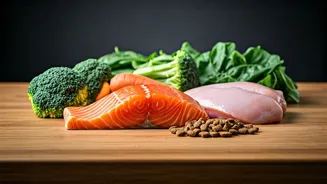
The debate between cooked and raw fresh food often comes down to a trade-off between nutrient preservation and safety. Proponents of raw diets argue they are closer to what an animal would eat in the wild. However, the clear advantage of a cooked diet is safety. Gently cooking the food kills harmful bacteria, significantly reducing the risk of foodborne illness for everyone in the home. Light cooking can achieve this safety benefit with only minimal impact on the food's nutritional value. Most veterinarians who are open to fresh feeding recommend cooked over raw for this reason.
How to Choose a Safe and Balanced Option
If you're considering switching to fresh food, safety and nutritional completeness are paramount. Instead of attempting a DIY diet, which can be risky and time-consuming, it's safer to choose a reputable commercial option. Look for companies that formulate their recipes with a board-certified veterinary nutritionist on staff. Most importantly, check the packaging for an AAFCO nutritional adequacy statement. This statement confirms the food is 'complete and balanced' for your pet’s specific life stage, such as 'adult maintenance' or 'growth and reproduction'.