








1. Prioritise Health and Hygiene
The monsoon is peak season for vector-borne diseases like malaria, dengue, and chikungunya. Do not allow water to stagnate in or around your home—check coolers, flower pots, and any open containers. Use mosquito repellents and nets, especially for children
and the elderly. Also, be mindful of water-borne illnesses like typhoid and cholera. Drink only boiled or filtered water and maintain impeccable personal hygiene.
2. Eat and Drink Smart
Your digestive system can be sensitive during this season. It's wise to avoid raw, leafy vegetables and street food, which may be contaminated by rainwater. Opt for light, home-cooked meals. Incorporate immunity-boosting foods like ginger, garlic, and turmeric into your diet. Stay hydrated, but stick to safe, clean water sources and warm beverages like herbal teas.
3. Dress for the Weather
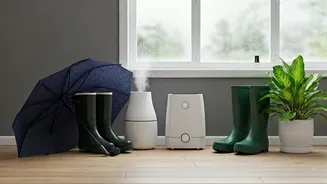
Damp clothes are a breeding ground for fungal infections. Choose light, quick-drying fabrics like nylon, polyester, or silk blends. Avoid heavy cottons and denims that take ages to dry. Always carry a compact umbrella or a lightweight raincoat. For footwear, ditch the leather and canvas shoes; opt for rubber boots, floaters, or waterproof sandals to navigate puddles and prevent foot infections.
4. Fortify Your Home
Before the heavy downpours begin, inspect your home for potential problems. Check for and repair any leaks in the roof, walls, or window sills to prevent dampness and mould growth. Ensure your drains and gutters are clean and unclogged to avoid waterlogging around your property. Good ventilation is key to keeping your home fresh and preventing musty odours.
5. Drive and Commute with Caution
Roads become treacherous during the monsoon. Visibility is low, and surfaces are slippery. Drive slowly, maintain a safe distance from other vehicles, and ensure your car’s tyres, wipers, and headlights are in perfect working condition. Be extremely cautious of potholes hidden by water and avoid driving through heavily waterlogged areas, as this can damage your vehicle's engine.
6. Protect Your Electronics
High humidity and moisture are the enemies of electronic gadgets. Keep your phone, laptop, and other devices in waterproof bags or sleeves when outdoors. At home, use surge protectors to guard against voltage fluctuations and damage from lightning strikes, which are common during thunderstorms. Consider investing in silica gel packets to keep in your laptop bag or drawers where you store electronics.
7. Prepare for Power Outages
Power cuts are a frequent inconvenience during the monsoon. Be prepared by keeping an emergency kit ready. This should include torches with extra batteries, candles, a power bank for your mobile phone, and a stock of basic non-perishable food items and drinking water. Having an inverter or a generator is a huge advantage if your budget allows.
8. Keep a Monsoon Health Kit
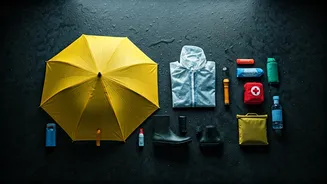
Assemble a first-aid kit specifically for monsoon-related ailments. Include antiseptic liquid, waterproof bandages, anti-fungal cream, and a balm for insect bites. It’s also useful to have basic medicines for common colds, coughs, and fever, along with rehydration salts (ORS) for potential stomach upsets. Keep it well-stocked and easily accessible.
9. Care for Kids and Elders
Children and senior citizens have lower immunity and are more susceptible to infections during this season. Ensure they wear warm clothes, don’t play in dirty rainwater, and consume a balanced, nutritious diet. Pay extra attention to their hygiene and keep them away from anyone who is sick to prevent the spread of infections within the family.
10. Embrace the Season's Charm
Finally, after taking all precautions, don't forget to enjoy the beauty of the monsoon. It's a time of renewal and rejuvenation. Use the rainy evenings to read a book, enjoy indoor activities with your family, listen to music, or simply savour the moment with a hot beverage. A little preparedness goes a long way in making the monsoon a truly enjoyable experience.