




The Star of the Show: Bhindi
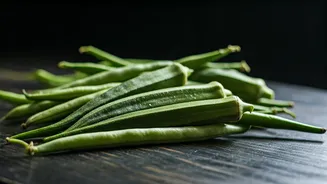
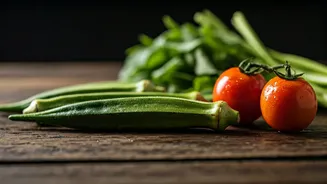
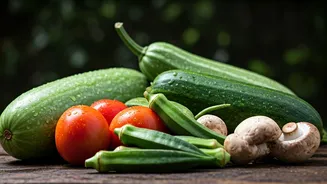
Let’s start with the headliner, bhindi (okra or lady's finger). For many of us, monsoon meals feel incomplete without it. Whether it's crispy-fried Kurkuri Bhindi that crackles with every bite or a simple, home-style Bhindi Masala, this vegetable is incredibly
versatile. But its appeal goes beyond taste. Bhindi is a fantastic source of dietary fibre, which is crucial for maintaining good digestion—something that can get a bit sluggish during the humid rainy season. It’s also rich in Vitamin C, an essential antioxidant that helps bolster your immune system against common monsoon ailments like colds and flu. A pro tip for those who dislike its slimy texture: ensure the bhindi is completely dry before chopping. Sautéing it on high heat or adding a souring agent like amchoor (dry mango powder) or a squeeze of lemon towards the end of cooking can also work wonders.
The Hydration Hero: Turai
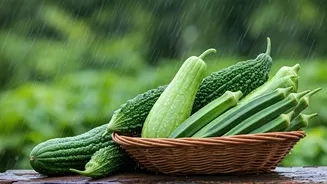
Often overlooked, turai (ridge gourd) is a true monsoon champion. Its defining characteristic is its incredibly high water content, making it an excellent vegetable for staying hydrated. During the monsoon, our bodies can sometimes struggle with heavy, oily foods. Turai offers a refreshing, light alternative that is exceptionally easy to digest. According to Ayurvedic principles, it has cooling properties and is believed to help in purifying the blood. Its subtle, slightly sweet flavour makes it a perfect canvas for spices. A simple turai ki sabzi, perhaps cooked with chana dal for added protein, is a comforting and nourishing dish. It absorbs flavours beautifully, making it a humble but worthy addition to your rainy-day menu.
The Gentle Giant: Lauki
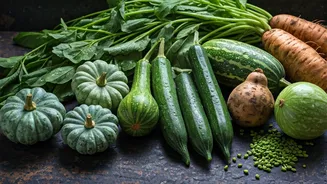
Lauki (bottle gourd) is another hydration powerhouse that truly shines during the monsoon. Known for being gentle on the stomach and low in calories, it's a go-to vegetable for anyone looking for a light yet filling meal. Its soft texture and mild taste make it incredibly versatile. You can find it in savoury dishes like Lauki Kofta or a simple Lauki Chana Dal, or even in a cooling Lauki Raita. And who can forget the decadent Lauki ka Halwa? Its high fibre and water content promote gut health and prevent constipation. In a season where water-borne diseases are a concern, consuming well-cooked, easily digestible vegetables like lauki is a wise choice to keep your digestive system happy and healthy.
The Powerhouse Protector: Karela
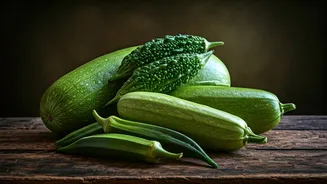
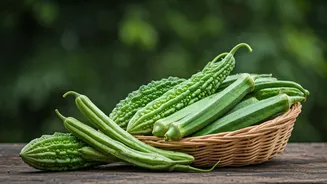
Karela (bitter gourd) might be an acquired taste, but its health benefits are undeniable, especially during the monsoon. This vegetable is a potent immunity booster, packed with antioxidants and vitamins that help your body fight off infections. Its most famous property is its ability to help regulate blood sugar levels, making it a superfood for diabetics. The bitterness comes from compounds that are actually great for liver function and detoxification. If the sharp taste is a hurdle, there are ways to make it more palatable. Salting chopped karela and letting it rest for 30 minutes before washing and cooking helps draw out some of the bitterness. Cooking it with strong, complementary flavours like onions, jaggery, tamarind, or peanuts can also transform it into a delicious, complex dish.
The Essential Greens: Palak and Chaulai
While many leafy greens are best avoided during the monsoon due to the risk of contamination from mud and grime, some varieties like palak (spinach) and chaulai (amaranth leaves) hold up well if handled correctly. These greens are bursting with iron, folate, and essential vitamins that can help combat the lethargy that often accompanies grey, rainy days. The key is preparation. Always wash leafy greens meticulously. Soaking them in a bowl of water with a bit of salt or vinegar for a few minutes can help dislodge any hidden dirt or microbes. After washing, cook them thoroughly. A simple Palak Paneer or adding a handful of chopped chaulai to your dal not only enhances the flavour but also provides a significant nutritional boost, keeping your energy levels up throughout the season.