



The Fading Glow of the Cereal Box
For years, the colourful cereal box was a symbol of modern convenience in the Indian kitchen. Marketed as a quick, easy, and healthy start to the day, packaged cereals became a staple for busy urban families. However, the health halo around these products
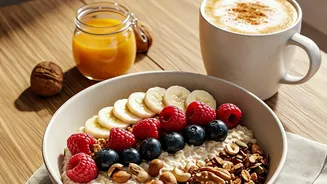
is beginning to tarnish. Growing awareness has revealed that many popular breakfast cereals are ultra-processed foods (UPFs). These are industrial formulations often loaded with refined grains, added sugars, unhealthy fats, and a long list of additives, while being low in essential nutrients like fibre. Studies have increasingly linked high consumption of UPFs to a greater risk of chronic lifestyle diseases, including diabetes, heart conditions, and obesity, which are on the rise across India. As consumers become more label-conscious, the promise of a convenient breakfast is being weighed against its long-term health costs.
A Return to Ancient Grains
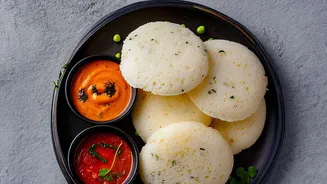
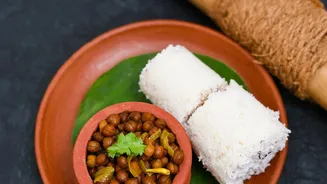
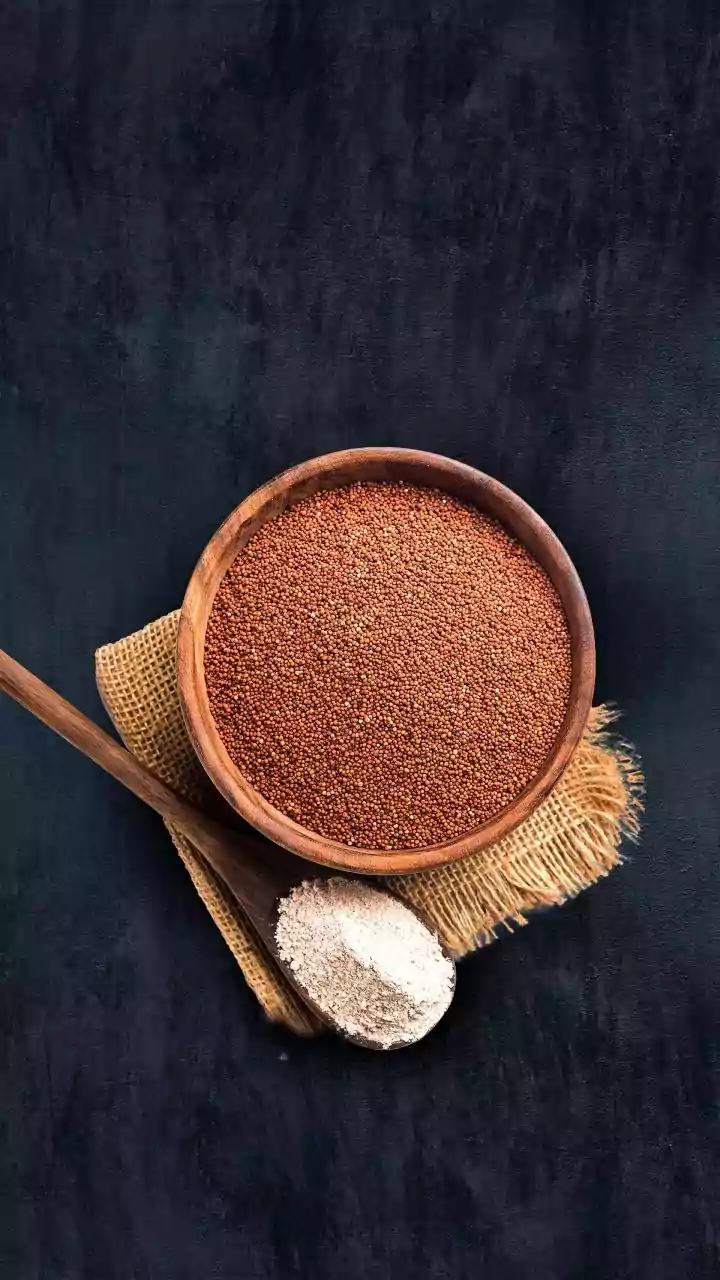
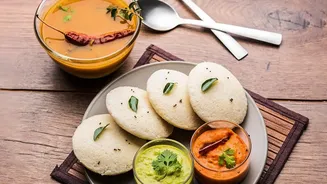
In place of the cereal bowl, a more familiar and time-tested plate is making a comeback: one laden with soft, steamed idlis and delicate appams. But this isn't just a return to tradition; it's an upgrade. The star of this breakfast revival is the humble millet. Ancient grains like foxtail millet (kangni), ragi, and jowar are being rediscovered for their powerful nutritional benefits. This movement is driven by a desire for food that is both nourishing and authentic. Millets are naturally gluten-free, rich in nutrients, and have a deep-rooted history in Indian agriculture and cuisine. This shift represents more than a dietary change; it's a conscious choice to embrace foods that are intrinsically ours, aligning with a broader wellness trend that prioritizes whole, unprocessed ingredients over factory-made products.
The Nutritional Showdown
When placed side-by-side, the nutritional superiority of a traditional millet-based breakfast is clear. A serving of millet idli, for instance, is packed with dietary fibre, which aids digestion and promotes a feeling of fullness. Millets also have a lower glycemic index compared to the refined carbohydrates found in many cereals, meaning they release sugar into the bloodstream more slowly. This helps in managing blood sugar levels and providing sustained energy, avoiding the quick spike and subsequent crash associated with sugary breakfasts. Furthermore, millets are a powerhouse of micronutrients, including iron, calcium, and magnesium. The process of fermentation used to make idli and appam batter can even enhance the bioavailability of these nutrients. In contrast, ultra-processed cereals often strip away natural nutrients during processing, offering 'fortified' vitamins and minerals as a less effective substitute.
Breakfast as a Cultural Statement
This breakfast shift is about more than just calories and nutrients; it's a reclamation of cultural identity. For many, the aroma of steaming idlis or the sound of batter sizzling on a pan is deeply connected to comfort, family, and heritage. Choosing a traditional breakfast is a way of honouring culinary traditions and passing them down to the next generation. It's a rejection of the one-size-fits-all global food culture in favour of regional, time-tested recipes. This movement is also supported by a market that is making tradition more accessible. The rise of high-quality, ready-to-cook batters and millet-based products means that even time-pressed urbanites can enjoy a wholesome, home-style breakfast without spending hours on preparation.
Making the Wholesome Switch
Embracing this trend is simpler than ever. Supermarket shelves and e-commerce platforms now feature a growing variety of millet flours and ready-to-cook traditional breakfast mixes. For those who prefer to make things from scratch, starting with small changes can be effective. Replacing a portion of rice with foxtail millet in your idli batter is an easy first step. Exploring different types of millets, from ragi's earthy flavour to the light texture of barnyard millet, can add variety to your morning meal. Pairing these dishes with nutrient-rich sides like sambar (packed with lentils and vegetables) and fresh coconut chutney further boosts their health quotient, creating a breakfast that is balanced, flavourful, and deeply satisfying.