

What is Shokupan?
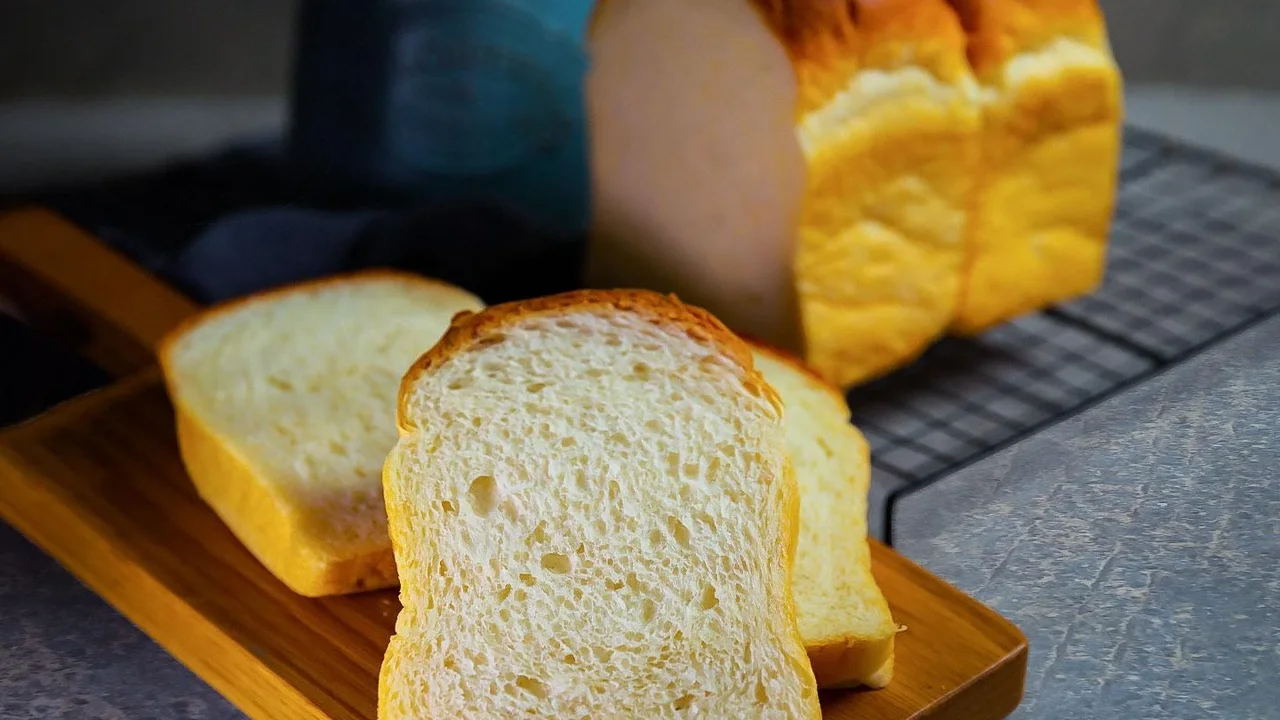
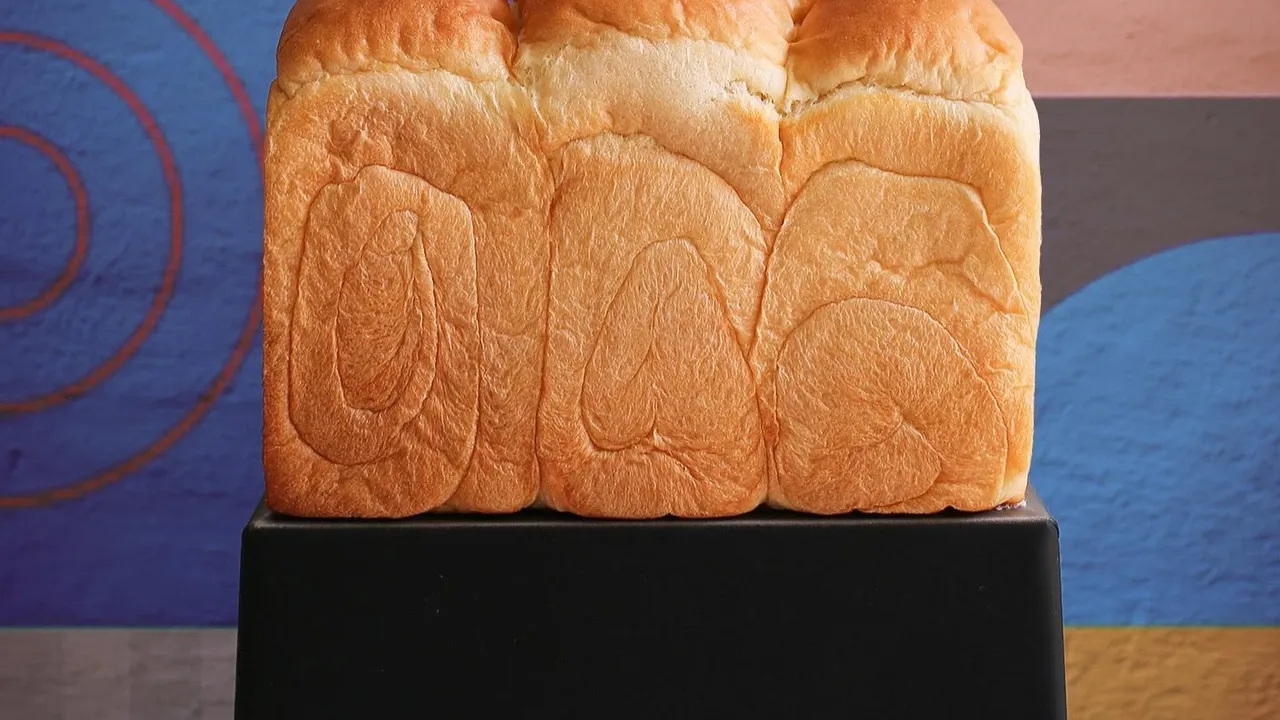
At its heart, shokupan is Japanese milk bread. The name literally translates to “eating bread,” signifying its role as a delicious, everyday staple. Unlike the crusty, rustic loaves common in Europe, shokupan is prized for its ethereal softness, subtly
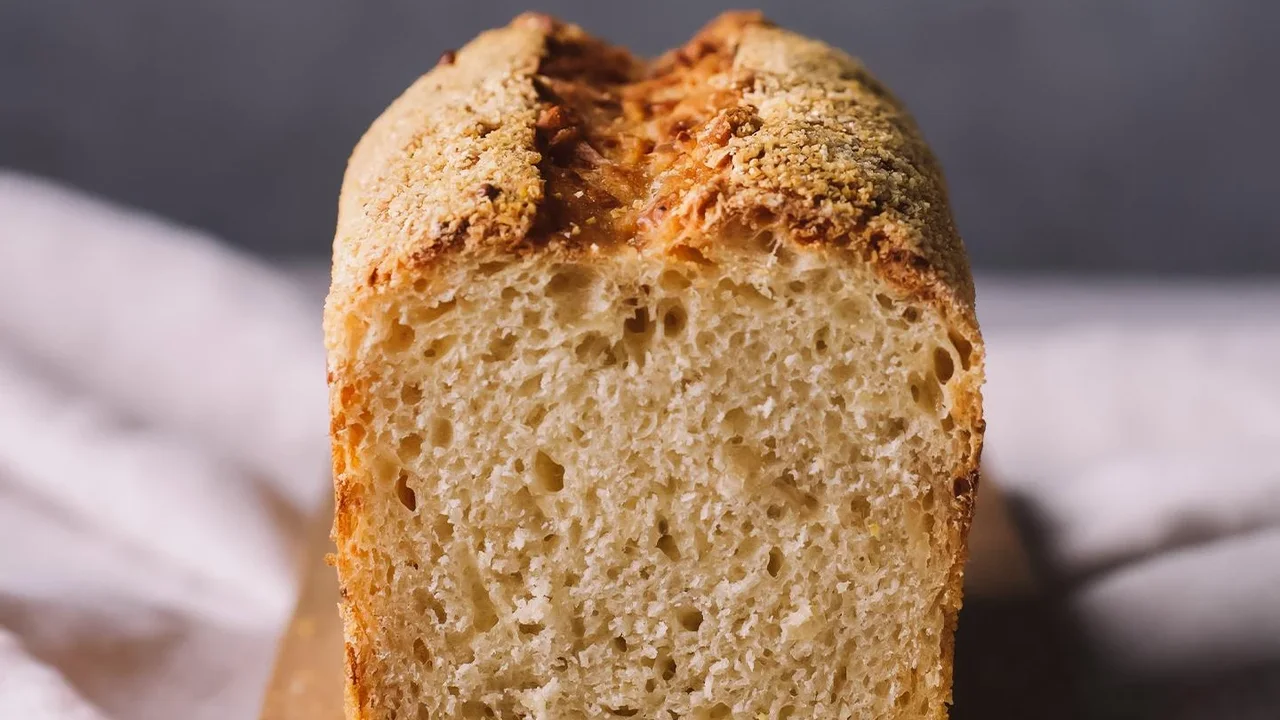
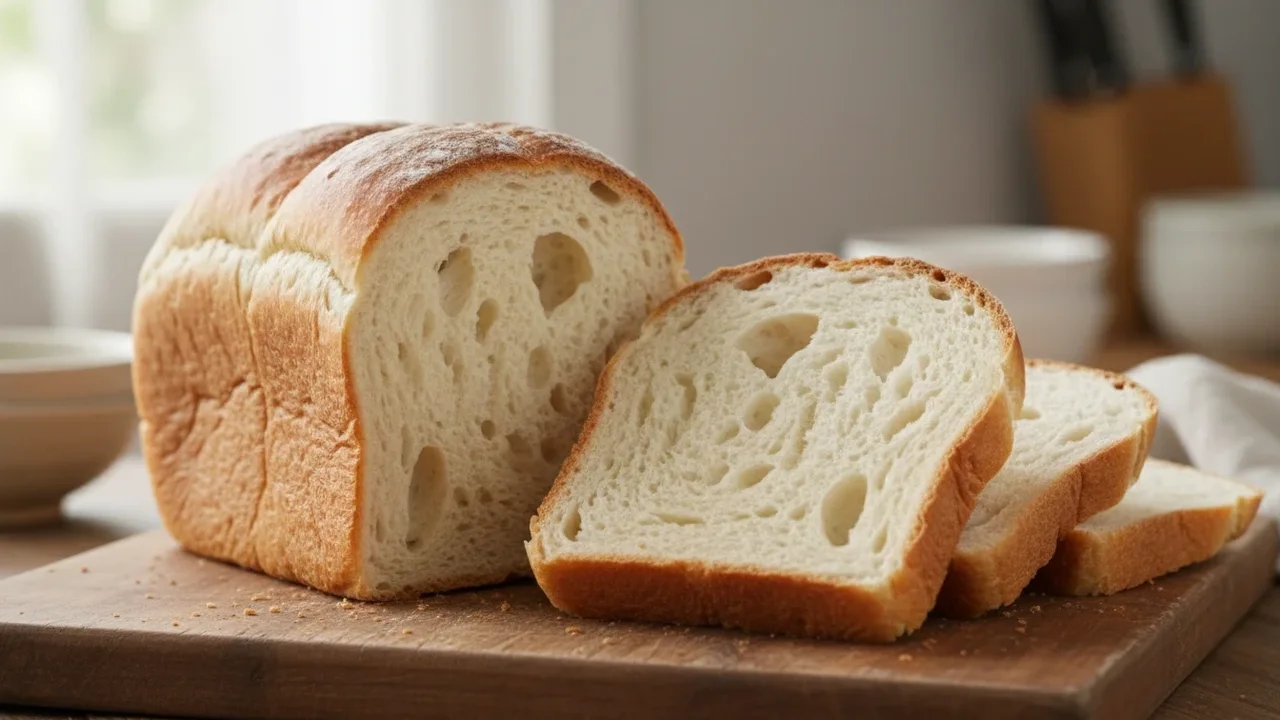
sweet flavour, and a bouncy, slightly chewy texture often described as “mochi-mochi.” Visually, it’s unmistakable. Baked in a special lidded pan called a Pullman loaf pan, it emerges as a perfect cuboid with a thin, tender crust and a snowy-white interior. While it looks similar to other white breads, its inclusion of milk, and sometimes cream or butter, gives it a richer taste and a pillowy quality that sets it far apart from a standard sandwich loaf.
The Secret to Its Signature Softness
The magic behind shokupan’s incredible texture lies in a specific baking technique known as the tangzhong or yudane method. Both involve pre-cooking a small portion of the flour and liquid (water or milk) into a thick paste or roux before adding it to the main dough. This process gelatinizes the starches in the flour, allowing them to absorb more moisture. The result is a dough that is not only easier to handle but also locks in an extraordinary amount of hydration. This hydration is the key to the bread's signature moist, springy crumb and also gives it a longer shelf life than conventionally made breads, staying soft and fresh for days.
From Japanese Staple to Global Star
While bread was first introduced to Japan centuries ago, it only became a widespread food item after World War II. Japanese bakers adapted Western recipes to suit local palates, which traditionally favour more subtle flavours and softer textures, leading to the creation of shokupan. For decades, it has been a beloved breakfast and lunch staple in Japan. Its recent explosion onto the global food scene can be attributed to several factors. The rise of artisan bakeries worldwide created an appetite for high-quality, unique breads. Furthermore, shokupan’s clean, geometric shape and cloud-like interior make it incredibly photogenic, turning it into an instant star on platforms like Instagram and TikTok. Its association with premium sandwiches, like the iconic katsu sando (pork cutlet sandwich), has also boosted its profile among international foodies.
More Than Just a Sandwich
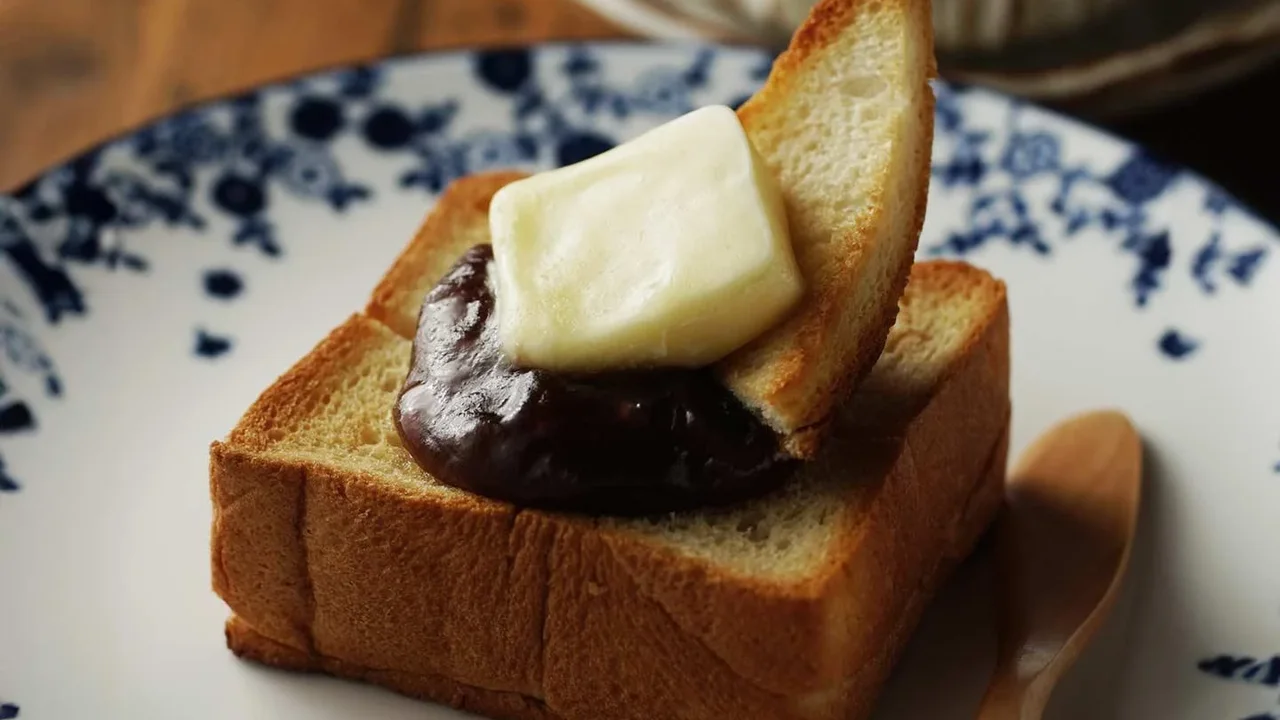
The beauty of shokupan is its versatility. In Japan, the thickness of the slice is chosen for its intended purpose. The most popular way to enjoy it is as a thick-sliced piece of toast, often over an inch thick, served with a simple pat of butter and jam. This “toast set” is a classic fixture in Japanese coffee shops, known as kissaten. The thick slice allows the outside to become golden and crisp while the inside remains steamy and fluffy. Thinner slices are perfect for sandwiches, as their soft texture doesn't overwhelm the fillings. It also makes an exceptional base for French toast, soaking up the custard beautifully without falling apart. Some purists argue the best way to enjoy a fresh loaf on its first day is to simply tear a piece off and eat it plain, appreciating its delicate sweetness and texture.