




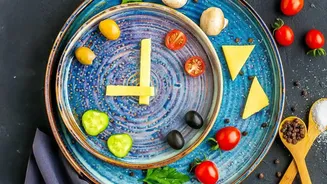
The Golden Rule: Perishability First
The fundamental principle of packing fruit for a long journey, whether by train, bus, or car, is to eat it in the order of how quickly it spoils. Once cut and exposed to air, some fruits degrade much faster than others. A simple strategy is to create
a timeline for your snacks. Pack different fruits in separate, clearly marked containers and consume the most delicate ones within the first few hours of your trip, saving the hardier options for later. Generally, any cut fruit should not be left at room temperature for more than two hours to remain safe. For longer journeys, especially in India's warmer climate, using a small insulated cooler bag with an ice pack is highly recommended to extend this window and maintain freshness.
Eat These First: The Delicate Crew
Fruits that brown quickly due to oxidation are your top priority. This group includes apples, bananas, pears, and chikoos (sapota). The browning, caused by enzymes reacting with oxygen, may not affect the taste much, but it makes the fruit unappetizing. To combat this, toss these fruits in a bit of citrus juice—lemon, lime, or even pineapple juice works well. The acid slows down the oxidation process. A salt water soak (about half a teaspoon of salt per cup of water) for a few minutes followed by a rinse is another surprisingly effective method that doesn't alter the taste. Pack these pre-treated fruits in an airtight container and plan to finish them within the first 4-6 hours of your journey.
Next Up: The Sturdy Mid-Journey Fruits
Once you've enjoyed the most fragile fruits, you can move on to the more resilient options. Melons (like watermelon and muskmelon), papaya, and pineapple hold up much better after being cut. Their firm texture and lower tendency to brown make them ideal for the middle leg of your trip. The key is proper storage. Cut them into bite-sized chunks and store them in a well-sealed, airtight container. This prevents them from drying out and absorbing other odours. A paper towel placed at the bottom of the container can help absorb any excess moisture, keeping the fruit from becoming soggy. These fruits can typically last for several hours, especially if kept cool.
The Uncut Champions: Your Final Snack
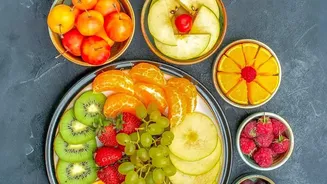
For the final stretch of a long journey, the best strategy is to rely on fruits that travel best in their natural packaging: their own skin. Oranges, grapes, and whole apples are excellent choices. They require no special preparation beyond a quick wash before you leave home. Pomegranates are another fantastic option; you can de-seed them at home and pack the arils in a container, where they will last for a very long time. These fruits provide a refreshing and healthy burst of energy when your other snacks have run out and you're nearing your destination. They are low-maintenance, mess-free, and perfectly suited for travel.
Essential Tools and Hygiene
Your fruit-packing success also depends on your tools and techniques. Always start with clean hands and use clean cutting boards and knives. Invest in a set of quality airtight containers, preferably glass or BPA-free plastic, to prevent leaks and keep fruit fresh. For long road trips, especially during warmer months, a small cooler bag is invaluable. It maintains a safe temperature and significantly prolongs the life of your cut fruit. Finally, remember to pack napkins or wet wipes for easy cleanup. A little preparation ensures your healthy snacks remain delicious and safe from the start of your trip to the end.