





What is the ‘No PUC, No Fuel’ Rule?
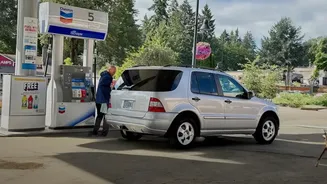
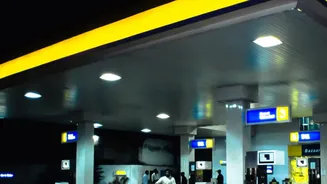
The 'No PUC, No Fuel' rule is a government mandate designed to curb vehicular pollution. As of October 1, 2026, petrol pumps across Delhi and the wider National Capital Region (NCR) are directed to refuse fuel to any vehicle that does not have a valid
PUC certificate. The enforcement, which was previously in place in Delhi, has been expanded and intensified across NCR districts in Uttar Pradesh and Haryana. Many fuel stations are being equipped with Automatic Number Plate Recognition (ANPR) cameras that check a vehicle's registration number against the central Parivahan database to verify its PUC status before refueling is permitted. This initiative is a key part of the region's broader Winter Action Plan to improve air quality.
Understanding the PUC Certificate
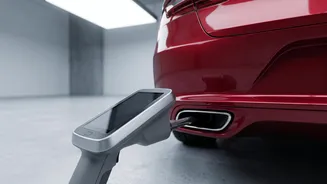
A PUC certificate is a document that certifies a vehicle's emissions are within the government-prescribed limits. It is a mandatory requirement under the Central Motor Vehicles Act, 1988, for all vehicles on Indian roads, including those running on petrol, diesel, CNG, and LPG. During a PUC test, a probe is inserted into the vehicle's exhaust pipe to measure pollutants like carbon monoxide and hydrocarbons. If the emission levels are within the permissible range, a certificate is issued. This document essentially serves as proof that your vehicle is not excessively contributing to air pollution.
Why Has This Rule Been Implemented?
Vehicular emissions are a major contributor to the severe air pollution that plagues Delhi-NCR, especially during the winter months. The 'No PUC, No Fuel' policy is a strategic move to ensure that polluting vehicles are either repaired or taken off the roads. Instead of relying solely on random roadside checks by traffic police, this rule makes compliance a prerequisite for a basic necessity—fuel. By linking PUC status directly to the ability to refuel, authorities aim to create a more effective, automated enforcement system that encourages vehicle owners to maintain their vehicles and keep their emission certificates up to date, contributing to a collective effort for cleaner air.
Who Is Affected and Who Is Exempt?
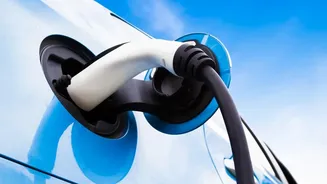
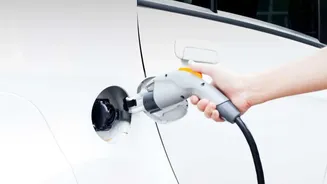
The rule applies to all private and commercial vehicles, including two-wheelers, cars, and trucks that require a PUC certificate. However, there are a few exceptions. New vehicles are exempt from needing a PUC for the first year from their date of registration. Fully electric vehicles are also exempt as they have zero tailpipe emissions. The validity of a PUC certificate varies. For newer vehicles compliant with BS-IV or BS-VI emission standards, the certificate is valid for 12 months. For older vehicles, it may need to be renewed more frequently, such as every three or six months.
How to Get or Renew Your PUC Certificate
Obtaining or renewing a PUC certificate is a straightforward process. You must take your vehicle to an authorized emission testing centre, many of which are located at petrol pumps and service stations across the city. A technician will conduct the emission test, which takes only a few minutes. If your vehicle passes, you will be issued a certificate. The cost is nominal. While the test itself is an offline, physical process, you can download a digital copy of your valid certificate from the official Parivahan Sewa website. Following the renewed enforcement, many owners have rushed to these centres, leading to longer queues than usual.
Penalties for Non-Compliance
Being denied fuel is the most immediate consequence, but the legal penalties for an expired or missing PUC certificate are severe. Under the Motor Vehicles Act, driving without a valid PUC can attract a fine of ₹10,000 for a first-time offence. In addition to the hefty fine, authorities can also suspend your driving license for up to three months. Repeated non-compliance can lead to even stricter actions, including vehicle impoundment. Furthermore, an invalid PUC certificate can also cause issues when renewing your vehicle's insurance policy, as most insurers require it for claim settlement.