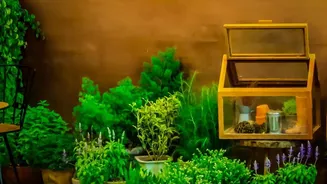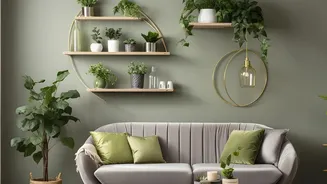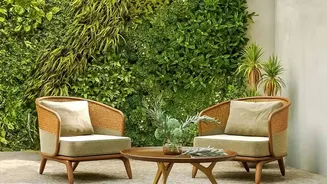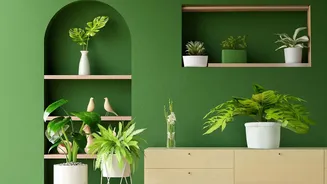






Living in a compact urban home often means sacrificing a traditional garden. But what if you could grow upwards? Vertical garden walls are an innovative solution to bring lush greenery and even fresh produce into the smallest of spaces.
What is a Vertical Garden?
A vertical garden,
also known as a living wall or green wall, is a method of growing plants on a vertically suspended panel or structure. Instead of spreading out horizontally on the ground, plants grow upwards, making use of unused wall space. This can be anything from a simple structure with a few stacked pots to an elaborate, fully-irrigated wall covered entirely in vegetation. These systems can be installed indoors or outdoors and are perfect for city dwellers and those with limited floor space who want to reconnect with nature.
The Benefits of Growing Upwards
The most obvious advantage of a vertical garden is its space-saving design, which is ideal for balconies, small patios, and indoor rooms. But the benefits go far beyond that. A high density of plants can significantly improve indoor air quality by filtering pollutants and releasing oxygen. They also serve as natural insulation, helping to regulate temperature, and can even reduce noise levels in urban homes. Beyond the practical, a living wall is a stunning aesthetic feature, turning a dull wall into a work of art and providing therapeutic benefits by reducing stress.
Choosing the Right System
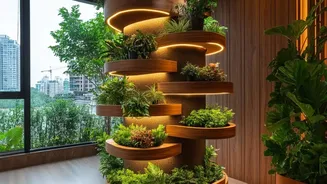
Vertical garden systems come in several forms. Pocket planters, made of felt or fabric, have individual pockets to hold each plant and are great for simple DIY setups. Container or modular systems use wall-mounted panels, shelves, or stackable pots that hold individual plants. These are versatile and make it easy to swap plants. For those wanting to grow food efficiently, hydroponic towers circulate nutrient-rich water without using any soil at all. Lastly, trellis systems provide a framework for climbing plants like vines or beans to grow up a wall.
Best Plants for Your Vertical Garden
Choosing the right plants is key to a thriving vertical garden. The best candidates have shallow root systems and tolerate drying out between waterings. For beginners, low-maintenance options are a great start. Pothos is a popular choice for its trailing vines and tolerance for low light. Succulents are perfect for the top, sunnier parts of a wall as they are drought-tolerant. Many herbs, such as mint, basil, and parsley, thrive in vertical planters and put fresh ingredients right at your fingertips. Other excellent choices include easy-care ferns, spider plants, and flowering options like begonias.
Essential Care and Maintenance
Maintaining a vertical garden is often easier than a traditional one, but it has specific needs. Because the soil pockets are small, they can dry out quickly. Check the soil regularly and water when it feels slightly damp, not soaked. An automated drip irrigation system can make this much easier. Since nutrients can run out faster, feeding your plants with a balanced liquid fertiliser during the growing season is important. Finally, regularly prune away any dead leaves and inspect for common pests to keep your wall healthy and looking lush.