






The South-East Coast: Enter the Northeast Monsoon
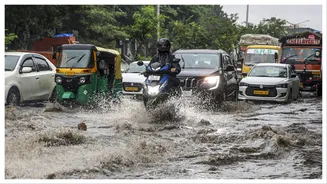
While most of India is drying out, the southeastern coast, particularly Tamil Nadu and southern Andhra Pradesh, prepares for its primary rainy season. The Northeast Monsoon typically sets in around the middle of October, bringing significant rainfall.
Climatologically, the normal onset is around October 20-22, but it can arrive as early as the first week or be delayed until November. This means plans for beach days in Chennai or exploring coastal temples might need a rain-check or at least a flexible schedule. For travellers heading to this region, expecting damp conditions is a wise move, as about half of Tamil Nadu's annual rainfall occurs during this season. Pack an umbrella and waterproof gear, and be prepared for spells of rain that can last for a few days at a time.
The East Coast: Cyclone Season in the Bay
October is a peak month for cyclone activity in the Bay of Bengal. While the Southwest Monsoon will have withdrawn from most parts of the country, conditions at sea can become turbulent. Low-pressure systems can form over the Andaman Sea and intensify into depressions or cyclones, potentially moving towards the coasts of Odisha, West Bengal, and Andhra Pradesh. Forecasters monitor these developments closely, but a storm can alter travel plans significantly, causing flight cancellations and making coastal travel unsafe. If your itinerary includes destinations like Puri, Konark, or the Sundarbans, it is crucial to stay updated with weather alerts from the India Meteorological Department (IMD) and have backup plans. While a cyclone may not form every year, the risk is a key factor to consider for this region in October.
The Western Ghats: The Monsoon's Long Goodbye
In destinations like Goa, Kerala, and parts of Karnataka, the heavy downpours of the Southwest Monsoon have largely subsided by October. The weather becomes increasingly sunny and pleasant, making it an excellent time to visit before peak season crowds arrive. However, the monsoon's retreat isn't always a clean break. Lingering moisture can lead to sporadic afternoon thunderstorms and showers, especially in the early part of the month. While these showers are usually short-lived, they can temporarily disrupt sightseeing or beach activities. In places like Munnar and Coorg, the post-monsoon landscape is breathtakingly lush and waterfalls are in full flow, but mist and occasional rain are still part of the experience.
The Himalayas: A Narrow Window for Adventure
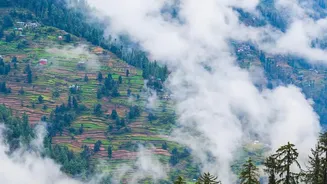
October is widely considered the best month for trekking in the Indian and Nepalese Himalayas, offering clear skies and stunning mountain views as the monsoon haze disappears. However, the weather window can be tight. In higher altitude regions of Himachal Pradesh, Uttarakhand, and Sikkim, temperatures drop sharply as the month progresses. Early October might still see some residual monsoon showers, while late October can bring the first signs of winter, including early snowfall at high passes. This makes road conditions unpredictable, especially for remote areas like Spiti Valley, where access can close with little warning. Trekkers should be prepared for a wide range of temperatures, from pleasant, sunny days in the valleys to freezing conditions at night.
North & Central India: Mostly Clear, But Watch for Surprises
For the most part, North and Central India, including Rajasthan, Delhi, and Madhya Pradesh, enjoy clear, sunny, and pleasantly warm weather in October. The Southwest Monsoon has typically withdrawn completely by the first or second week of the month. This makes it an ideal time for sightseeing in cities like Jaipur, Udaipur, and Delhi. However, the final withdrawal of the monsoon can sometimes be delayed, leading to a few unexpected rainy days early in the month. Furthermore, the transition can sometimes bring a short spell of uncomfortable humidity, often referred to as 'October heat', before the cool, dry winter air properly settles in.