
The Rise of the Un-Tagged Trip
For over a decade, social media has functioned like a global travel guide, with geotags acting as digital pushpins on a world map. A single viral post could turn a quiet village or secluded beach into a global hotspot overnight. This phenomenon, often
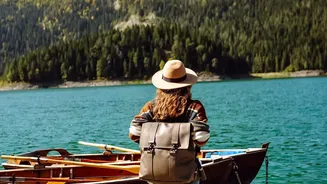
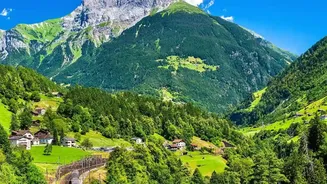
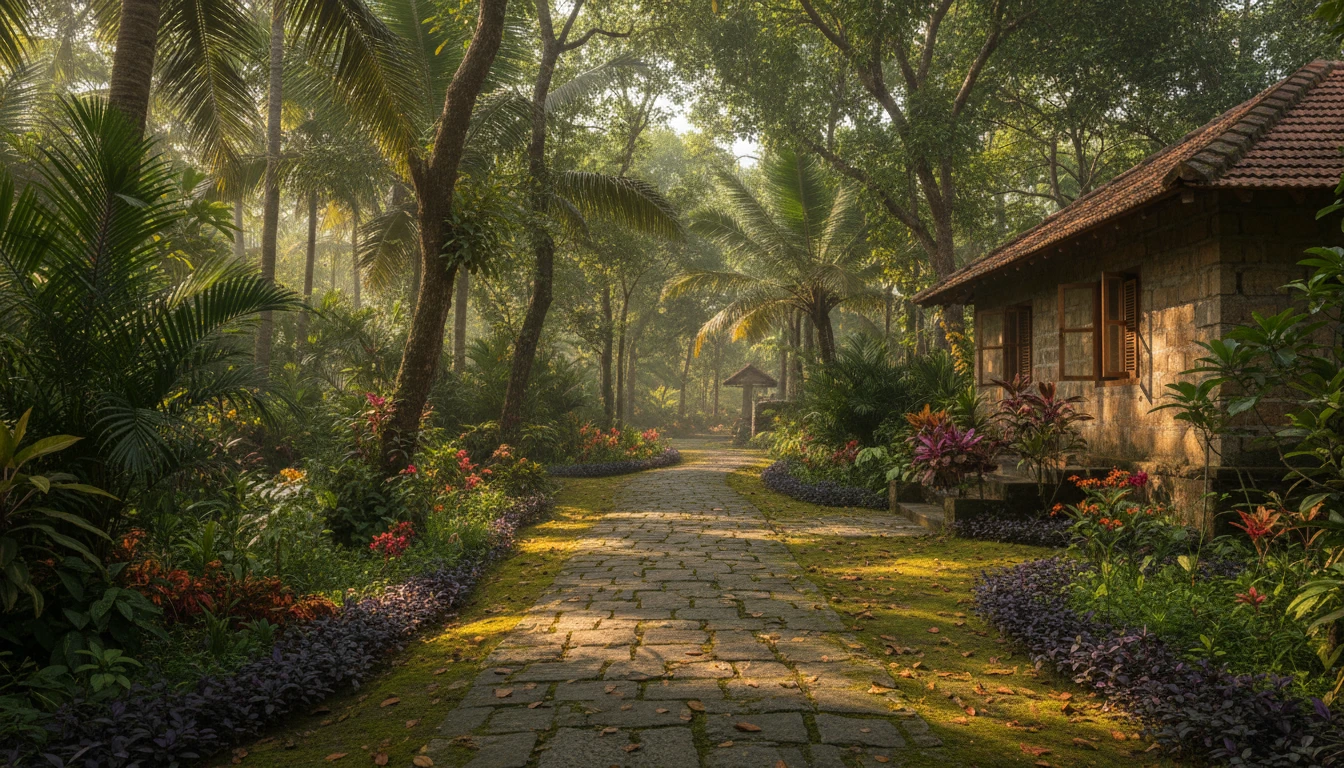
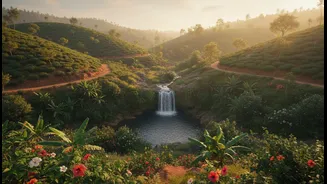
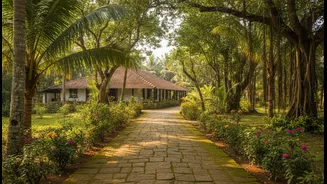
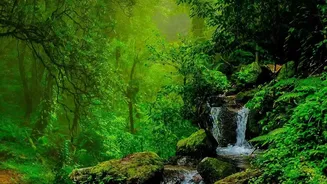
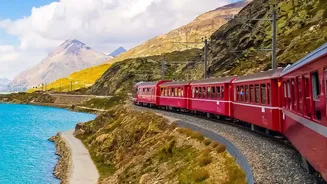
called the 'Instagram effect', has shaped travel patterns, dictating where millions of people go, what they see, and the photos they take. But a counter-trend is gaining momentum. Travellers are now consciously choosing to post their stunning photos without specific location data, a practice sometimes referred to as 'digital silence' or 'gatekeeping'. Instead of tagging the precise beach, they might vaguely mention the region or country, or simply let the image speak for itself, leaving a little mystery for others to discover on their own.
A Backlash to 'Insta-Tourism'
This shift isn't happening in a vacuum. It’s a direct response to the documented downsides of social media-fuelled travel. Overtourism has strained the infrastructure of countless destinations, from the canals of Venice to once-quiet neighbourhoods in Goa. A 2026 report highlighted how cities like Nara, Japan, saw online searches increase by over 500% after videos of its free-roaming deer went viral, leading to an overwhelming influx of visitors. Fragile ecosystems suffer as increased foot traffic leads to soil erosion, litter, and disruption of wildlife. Residents of these suddenly popular locales often find their daily lives disrupted, their streets clogged, and their homes turned into photo backdrops. The decision to stop geotagging is, for many, an ethical choice aimed at preventing the places they love from being loved to death.
The Ethics of 'Gatekeeping'
The term 'gatekeeping' can be controversial, suggesting that some travellers are unfairly hiding places they themselves likely discovered online. Critics argue it can become a status signal, creating an exclusive club of those 'in the know'. However, many who practice it see it as a form of digital conservation. The goal isn't to keep people away entirely, but to slow down the frenetic, trend-chasing cycle that social media accelerates. The Leave No Trace Center for Outdoor Ethics even updated its guidelines to suggest tagging general locations, like a region or state, rather than specific spots, to mitigate the impact. By not providing a precise map, the hope is to encourage more thoughtful travel and protect sensitive environments from sudden, unmanageable surges in popularity.
Finding Joy in the Un-Shared Moment
Beyond the ecological and social motivations, there's a deeply personal reason for this trend: the desire for a more authentic travel experience. The pressure to capture and post the perfect shot can sometimes overshadow the experience itself. Some travellers describe a performative element to modern travel, where experiences are collected for an online audience. Opting out of the geotagging game is a way to reclaim the journey for oneself. It’s a shift from 'look where I was' to simply 'I was here'. This mindset aligns with the principles of slow travel, which prioritises connection and immersion over a packed itinerary. It encourages being fully present, observing the details of a place without the pressure of turning it into content. It’s about finding a joy that doesn't need to be publicly validated or replicated.