




The Myth of the Magic Bullet
The idea that one specific food can single-handedly shield you from winter illnesses is appealing, but it's not how our bodies work. The immune system is incredibly complex and relies on a wide array of nutrients to function optimally. Deficiencies in vitamins
like C and D, or minerals like zinc and iron, can impair immune responses. No single food provides all these essential components. Health experts increasingly emphasize that a 'super diet' is more important than any one 'superfood'. A varied diet, rich in different fruits, vegetables, grains, and proteins, ensures your body gets the full spectrum of nutrients it needs to build resilience, support gut health, and fight off infections.
Sarson Ka Saag: A Winter Classic
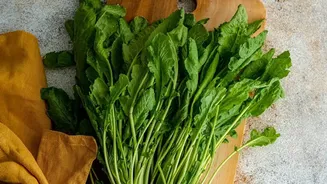
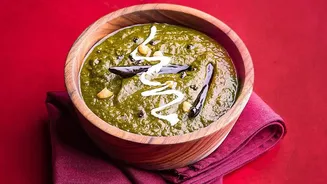
A staple in North India, especially Punjab, Sarson Ka Saag is more than just comfort food. Made from mustard greens, often blended with spinach (palak) and bathua, this dish is a powerhouse of nutrients. Mustard greens are packed with vitamins A, C, and K, which are vital for immune function, vision, and bone health. These greens also provide antioxidants that help fight inflammation. Traditionally served with Makki Ki Roti (maize flour flatbread) and a dollop of ghee, the combination offers fibre, complex carbohydrates, and healthy fats, creating a balanced and warming meal perfect for a chilly day.
Bajra: The Warming Winter Millet
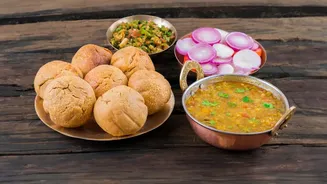
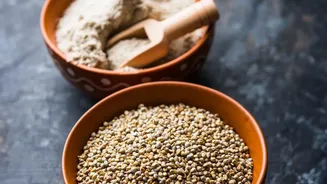
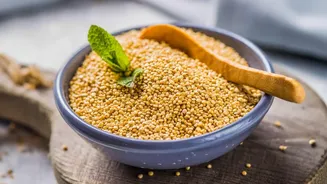
Pearl millet, or bajra, has been India's favourite cold-season grain for generations. Traditionally considered a 'warming' food, bajra has a thermogenic effect, meaning it generates heat during digestion. It's a rich source of fibre, which aids digestion and promotes a feeling of fullness, helping to curb the tendency to snack more in winter. This gluten-free grain also provides essential minerals like iron and magnesium, which support energy levels and overall health. Enjoy it as rotis with ghee and jaggery, or in a hearty khichdi cooked with moong dal and vegetables for a deeply nourishing meal.
Gondh Ke Laddoo: Edible Warmth
These energy-dense spheres are a traditional winter delicacy for a reason. The star ingredient, gondh (edible gum), is known for its warming properties and is believed to strengthen bones and lubricate joints, which can feel stiff in the cold. Made with whole wheat flour, ghee, nuts, and jaggery, these laddoos are a source of sustained energy, healthy fats, and minerals. They are especially popular as a nourishing food for new mothers to aid recovery but are beneficial for anyone needing an energy boost during winter. Just one laddoo can provide significant warmth and stamina.
Panjiri: The Nutrient-Dense Mix
Similar to Gondh Ke Laddoo, Panjiri is a loose, crumbly mixture of whole wheat flour roasted in ghee with generous amounts of nuts, seeds, and spices. It is designed to generate body heat and boost immunity. The nuts and seeds provide antioxidants, protein, and healthy fats, while spices like ginger and ajwain can aid digestion. Often consumed in small quantities, Panjiri is a potent source of energy and nutrients that helps fend off winter lethargy and supports overall wellbeing. It's another classic postpartum food that has found its place in general winter wellness.
Embrace Seasonal Vegetables
Winter markets in India are flooded with a vibrant array of vegetables for good reason. Carrots, rich in beta-carotene, support vision and immune function. Leafy greens like methi (fenugreek) and bathua are packed with iron and other essential vitamins. Root vegetables like radishes (mooli) and turnips (shalgam) are low in calories but high in nutrients that support detoxification and heart health. Incorporating these seasonal vegetables into soups, stews, and sabzis ensures your meals are not only delicious but also nutritionally optimised for the season, helping to strengthen your body against common ailments.