

Garam Masala: The Warming Finisher
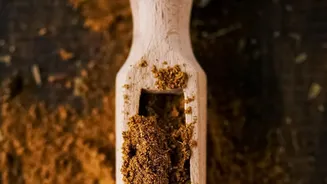
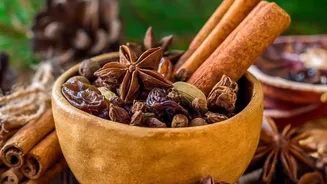
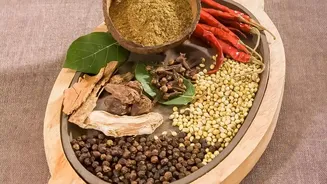
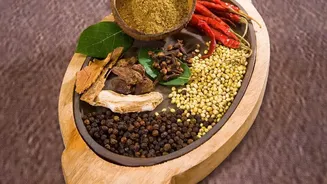
Perhaps the most famous Indian spice blend, Garam Masala translates to 'warm spice mix'. It's not about chilli heat, but a complex warmth from spices like cinnamon, cardamom, cloves, cumin, and black pepper. Unlike many masalas, it is typically added
at the end of the cooking process. This preserves its delicate, volatile aromas, allowing it to act as a finishing spice that adds a final layer of fragrant depth to dishes like dal makhani, paneer gravies, and rich curries. Think of it as the final flourish that brings everything together.
Sambar Powder: The South Indian Staple
Travel south, and you'll find Sambar Powder is indispensable. This robust, earthy blend is the soul of sambar, the tangy lentil and vegetable stew that's a cornerstone of South Indian meals. Key ingredients typically include roasted coriander seeds, red chillies, cumin, and often lentils themselves, which contribute to the stew's thickness. Its use isn't limited to just sambar, however. A spoonful can add depth to other vegetable curries, be used as a marinade for tofu or chicken, or even be stirred into rice for a quick, flavourful meal.
Panch Phoron: The Five-Seed Temper
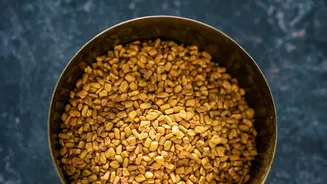
Hailing from Eastern India, particularly Bengal, Panch Phoron means 'five spices' or 'five tempers'. Unlike ground masalas, this is a blend of whole seeds: typically fenugreek, nigella, cumin, black mustard, and fennel seeds in equal parts. Its magic is released through 'tadka' or tempering. The seeds are sizzled in hot oil at the beginning of cooking until they pop, infusing the oil with their complex, aromatic flavours—a mix of sweet, bitter, earthy, and nutty notes. This fragrant oil then becomes the base for dals, vegetable stir-fries, and pickles.
Chaat Masala: The Tangy Street Food Star
If you've ever craved the addictive taste of Indian street food, you've tasted Chaat Masala. This is a finishing spice, never cooked, known for its distinctive sour, salty, and slightly funky flavour profile. Its primary components are amchur (dried mango powder) for sourness and kala namak (black salt) for a unique sulphurous, savoury kick. These are supported by cumin, coriander, and a hint of chilli. A sprinkle of chaat masala instantly elevates fruit salads, dahi vadas, bhel puri, and even a simple glass of lemonade.
Goda Masala: The Sweet Aroma of Maharashtra
From Maharashtra in Western India comes Goda Masala, a unique and aromatic blend. The name 'goda' means sweet in Marathi, but this refers to its fragrant, mellow profile rather than a sugary taste. It features less common ingredients like dried coconut, sesame seeds, and dagad phool (black stone flower) alongside standards like coriander and cumin. The spices are slow-roasted to develop a deep, nutty, and slightly sweet aroma with very little heat. It's the signature flavour in many classic Maharashtrian dishes like masale bhaat (spiced rice) and amti (a tangy dal).
Fresh Coriander: More Than a Garnish
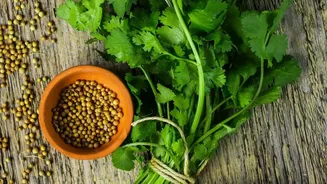
Fresh coriander, or dhania, is ubiquitous in Indian cooking, but it's often relegated to a last-minute sprinkle. To unlock its full potential, think of it as a core seasoning. The leaves provide a bright, citrusy freshness, while the stems pack an even more intense, pungent flavour. For dishes that require a deep, herby base, like green curries or marinades, finely chopping the stems and adding them with your ginger and garlic will build a fantastic layer of flavour. The delicate leaves are best added at the very end of cooking to preserve their fresh aroma and vibrant colour.