




Ready Your Vehicle for the Road
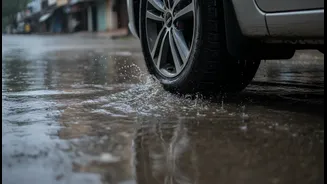
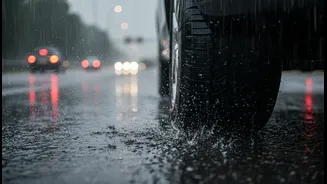
Before you even turn the key, ensuring your vehicle is monsoon-ready is the most critical step. Your tyres are the first line of defence on slick roads. Check that they have adequate tread depth—at least 3mm is recommended for monsoon safety—and are inflated
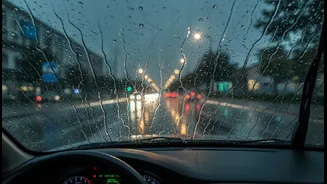
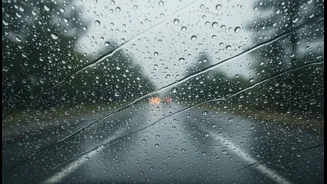
to the manufacturer's specified pressure. Worn tyres significantly increase the risk of hydroplaning, where a layer of water builds between the rubber and the road, causing a loss of control. Next, inspect your wiper blades. The summer heat can make them brittle and cracked, leaving streaks on your windshield when you need clear vision the most. If they chatter, skip, or smear, replace them. It's a small, inexpensive fix that pays huge dividends in a downpour. Finally, test all your lights: headlights, taillights, indicators, and brake lights. In heavy rain, visibility drops dramatically, and your lights are crucial for seeing and being seen.
Safe Driving in a Downpour
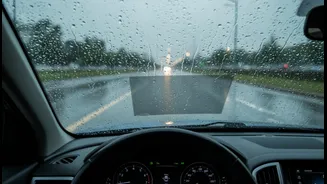
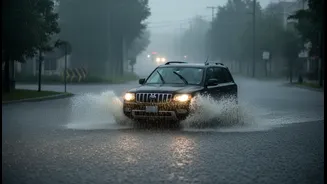
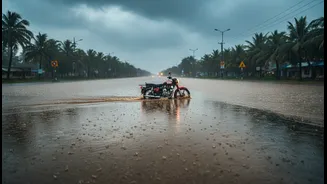
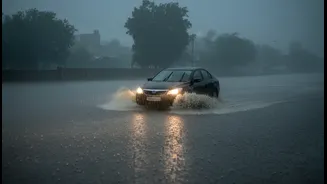
Once you're on the move, your driving style needs to adapt to the conditions. The cardinal rule is to slow down. Wet roads dramatically increase your vehicle’s braking distance, so reducing your speed gives you more time to react. Maintain a greater following distance from the vehicle ahead—doubling it to at least six seconds is a good rule of thumb. Avoid sudden acceleration, hard braking, and sharp turns, as these manoeuvres can easily cause a skid. One of the biggest hazards in India is waterlogged roads. Never drive into standing water if you cannot gauge its depth. It can conceal deep potholes or open drains, and just a foot of moving water can be enough to sweep away a small car. If your vehicle stalls in water, do not try to restart the engine, as this can cause severe and expensive damage. It is always safer to turn around and find an alternate route.
Tips for Two-Wheeler Riders
Riding a scooter or motorcycle in the rain requires an extra level of caution. Your visibility and balance are compromised, and you are more exposed to the elements. Before riding, perform the same essential checks as a car owner: ensure tyres have good grip and proper pressure, and that all lights and brakes are in perfect working order. Wearing the right gear is non-negotiable. A full-face helmet with a clear, anti-fog visor is essential for vision. Brightly coloured or reflective rain gear will make you more visible to other drivers in low-light conditions. On the road, smooth inputs are key. Avoid abrupt acceleration or braking, which can easily cause the wheels to lock up and skid on slippery surfaces. Be especially wary of painted road markings and manhole covers, which become extremely slick when wet.
Walking and Public Transport
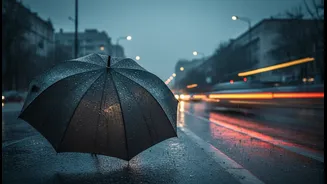
If your journey involves walking or using public transport, preparation is still important. Choose your footwear wisely; sandals or shoes with good rubber grip are essential to prevent slipping on wet pavements and station platforms. Carry a sturdy umbrella and a raincoat. To protect your belongings, use waterproof bags for electronics, documents, and wallets. A simple but effective tip is to keep a small, quick-drying towel in your bag. Staying as dry as possible helps prevent fungal infections and simply makes the rest of your day more comfortable. When walking, be vigilant for hidden potholes under puddles and avoid walking through stagnant water, which can be contaminated or hide hazards. Always be aware of your surroundings, watching for traffic and loose overhead wires.
The Essential Monsoon Go-Bag
Unexpected delays are common during heavy rains. Keeping a small emergency kit in your car or backpack can turn a frustrating situation into a manageable one. Your kit should include a fully charged power bank for your mobile phone, as communication is key. Pack some non-perishable snacks like energy bars or biscuits and a bottle of safe drinking water. A basic first-aid kit with antiseptic, bandages, and any personal medications is always a good idea. Add a small torch or flashlight with extra batteries, as power cuts can be frequent. For your car, also consider including a tow rope and a multi-tool. Having these essentials on hand provides peace of mind, ensuring you're ready for whatever the monsoon throws your way.