







Master Your Storage Space
The foundation of a resilient kitchen is knowing what you have and where to find it. This begins with optimizing your storage. Start by decluttering; remove expired items, duplicate gadgets, and anything you haven't used in a year. Once you have a clear
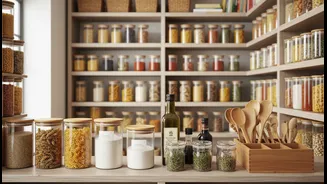
view, think vertically. Many kitchens have unused space on high shelves, which are perfect for items you use less frequently. Adding extra shelves or tiered organisers inside deep cabinets can double your storage capacity and prevent items from getting lost in the back. Don't overlook wall space or the back of pantry doors, which can hold spices, utensils, or small pans with the help of racks and hooks. The goal is to create a system where every item has a designated home. Grouping like items together—such as all baking supplies or all breakfast items—streamlines meal prep and makes it easier to see what needs replenishing. Using clear bins or containers can also help you quickly identify contents without having to pull everything out.
The Power of a Good Label
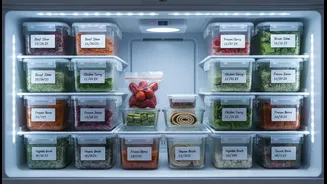
An organized space is only as good as your ability to navigate it. This is where a consistent labeling system becomes crucial. Labeling eliminates the guesswork that leads to food waste and frantic searching. For a system to be effective, it needs to be simple and consistent. Focus on labeling high-priority items first: leftovers, prepped meals, and any food removed from its original packaging, like flour or rice. A useful label should include, at a minimum, the name of the item and the date it was stored or opened. This simple piece of information is vital for effective food rotation. You don’t need an expensive label maker to start; masking tape and a permanent marker work well. For items you regularly restock, erasable or chalkboard labels are a great, sustainable option. For leftovers in the fridge or freezer, dissolvable labels are a game-changer as they wash away easily without leaving sticky residue. Consistency is key. Decide on a format and stick to it, so anyone in the household can understand the system at a glance.
Cultivate a Rotation Habit
The final piece of the puzzle is a habit that professional kitchens swear by: FIFO, or "First-In, First-Out." This principle is simple: use the oldest items before you use the newer ones. Implementing FIFO prevents food from expiring at the back of the pantry and dramatically reduces waste. To start, create zones in your pantry and refrigerator. When you bring home new groceries, place them behind the older items. This ensures that the food nearing its use-by date is always at the front, reminding you to use it first. A simple way to manage this in the fridge is a left-to-right system: new items go on the left, and you always take from the right. Every few months, take a few minutes to do a quick inventory check. Pull items forward, check dates, and wipe down shelves. This habit works hand-in-hand with your labeling system. When you can clearly see the dates on your containers, rotating your stock becomes an almost automatic process, ensuring you use what you have and buy only what you need.