




A Radical Rethink of Road Repair
For decades, fixing a pothole has been a manual, repetitive, and costly process. It involves cleaning the hole, filling it with a hot or cold asphalt mix, and compacting it—a temporary fix that often fails within a year. But researchers around the world
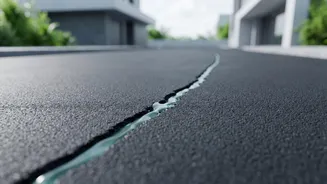
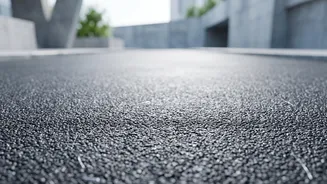
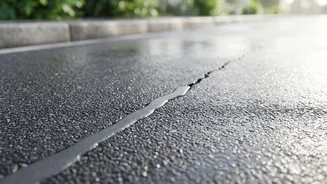
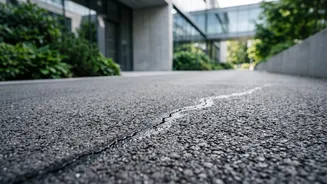
are developing a transformative alternative: self-healing asphalt. The concept is simple but profound. Instead of waiting for a small crack to become a car-damaging crater, this new generation of road material is engineered to repair micro-fractures automatically. By stopping damage at the source, these smart roads promise to last longer, reduce maintenance costs, and provide a smoother, safer journey for everyone. It’s a shift from reactive patching to proactive, built-in preservation.
The Healing Touch: How It Works
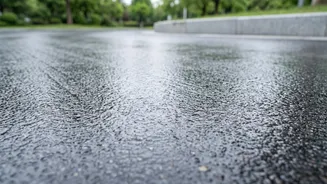
There isn’t just one method for making asphalt heal itself; scientists are pursuing several exciting paths. One of the most fascinating techniques directly uses moisture as a trigger. In this approach, developed by Dutch researchers, the asphalt contains tiny capsules filled with dormant bacteria and nutrients. When a crack forms and water seeps in, the capsules rupture. This awakens the bacteria, which then consume the nutrients and produce calcite—a substance similar to limestone—that naturally fills the crack. In this clever reversal, water, typically the road's enemy, becomes the catalyst for its repair. Other methods use pressure instead of moisture. These involve embedding microcapsules filled with a rejuvenating oil into the asphalt. The stress from passing vehicles crushes the capsules, releasing the oil, which softens the surrounding bitumen binder and allows it to flow back together, sealing the fracture.
What Makes These Binders 'Eco'?
The term “eco-binder” refers to the move away from relying solely on petroleum-based bitumen, the traditional black, sticky glue in asphalt. The environmental benefits come from two main sources. First is the use of waste products. Researchers are successfully incorporating materials like single-use plastics and crumb rubber from old tyres into asphalt mixes. This not only diverts huge amounts of waste from landfills but can also improve the road's performance, making it more resistant to rutting and cracking. The second approach involves creating binders from completely renewable biological sources. Scientists are developing bio-binders from agricultural waste, wood residues, and even microalgae. These materials can replace a significant portion of the petroleum binder, dramatically cutting the carbon footprint of road construction. In some cases, algae-based binders have been shown to make asphalt more durable in extreme temperatures.
The Indian Context and Immediate Solutions
While fully self-healing roads are still in the advanced testing phase, Indian institutions are already tackling the nation's pothole crisis with innovative technology. The CSIR–Central Road Research Institute (CSIR–CRRI) has developed a pothole repair solution called ECOFIX. This is a cold-mix material, meaning it doesn't require heating, which significantly reduces energy use and emissions. Its biggest advantage is its ability to repair potholes even when they are filled with water, making it perfect for the monsoon season when traditional hot-mix plants often cannot operate. This technology is already being adopted by several states, including Karnataka, Assam, and Maharashtra, offering a faster, greener, and more efficient way to maintain roads. While distinct from self-healing asphalt, solutions like ECOFIX represent a major step forward in building more resilient infrastructure suited to local conditions.
The Road Ahead: Challenges and Potential
The widespread adoption of self-healing asphalt faces a few hurdles, primarily cost and scalability. The advanced materials, whether they are microcapsules, bacteria, or conductive fibres for induction heating, currently add to the upfront expense of road construction. Researchers are working to bring these costs down, in part by using inexpensive waste materials as key ingredients. Pilot projects are underway globally to test these materials under real-world traffic and weather conditions to validate their long-term durability. Despite these challenges, the potential payoff is enormous. Roads that last 30-50% longer would mean fewer traffic disruptions from constant repairs, lower lifetime maintenance costs for governments, and a significant reduction in the environmental impact of our infrastructure.