







The Monsoon's Mighty Grip
July brings the peak of the southwest monsoon, a period when many parts of India receive heavy to very heavy rainfall. While this rejuvenates the landscape, it also brings significant travel challenges. The India Meteorological Department (IMD) has issued
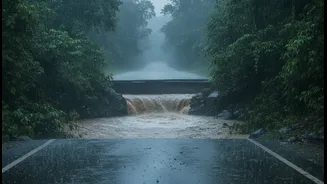
alerts for widespread rainfall across several states, including orange alerts for Uttar Pradesh and Uttarakhand. These warnings signal the potential for disruptions, from localized flooding to serious transport delays. For travelers, this means that a rigidly planned itinerary could quickly unravel. The key to a successful trip during this season is not to avoid these states, but to travel with awareness, preparedness, and a willingness to adapt to changing conditions on the ground.
Uttarakhand: The Landslide Challenge
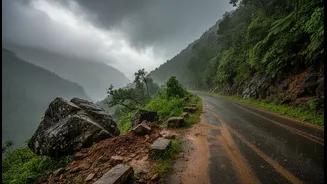
The mountainous terrain of Uttarakhand makes it particularly vulnerable during the monsoon. Heavy rains saturate the soil on its steep slopes, leading to a high risk of landslides and rockfalls. Recent reports from early July 2026 confirm these risks, with relentless rain triggering landslides that have blocked key routes like the Badrinath and Yamunotri National Highways. As of July 7, dozens of roads across the state were reported closed due to debris. This has significantly disrupted the Char Dham pilgrimage, with authorities even suspending helicopter services to Kedarnath due to poor visibility and high winds. For tourists, this means that a planned drive to a destination like Mussoorie or Nainital could be halted for hours, or even days. Authorities are constantly working to clear the roads, but continuous rain can hamper these efforts, making it crucial for travelers to avoid night journeys and stay updated on road status.
Kerala: Navigating Floods and Downpours
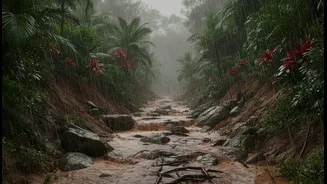
In 'God's Own Country', the monsoon brings lush greenery but also the threat of intense downpours and waterlogging. The IMD has issued alerts for heavy rainfall in various districts. A recent, tragic mudslide at a tunnel construction site in Wayanad on July 7, triggered by heavy rain, highlights the severe risks. While coastal areas and backwaters are major attractions, they can be impacted by rising water levels and strong winds. The state disaster management authority often advises those in vulnerable areas to be on alert. Fishermen are frequently warned against venturing into the sea due to squally weather. For tourists, this means that ferry services might be suspended, and low-lying areas could experience temporary flooding, affecting local transport and sightseeing plans.
Uttar Pradesh: The Plains and Rivers
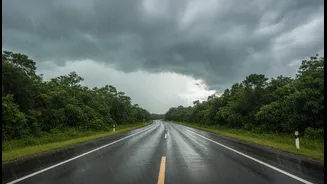
While not as mountainous as Uttarakhand, Uttar Pradesh faces its own set of monsoon challenges, primarily related to its vast plains and numerous rivers. The IMD has forecast widespread rainfall and issued alerts for the state. Heavy rains can cause major rivers like the Ganga and Yamuna to swell, leading to flooding in low-lying areas and along their banks. This can disrupt road and rail travel between cities. While destinations like Agra and Varanasi remain accessible, travel to and from these cities might involve delays or rerouting. The IMD has warned of thunderstorms and gusty winds, which can further complicate travel plans. It's essential for visitors to monitor weather forecasts and be prepared for potential waterlogging in urban areas.
Your Flexible Travel Toolkit
Embracing flexibility doesn't mean canceling your trip; it means planning smartly. First, monitor IMD forecasts and local news reports daily before and during your trip. Build buffer days into your itinerary. Instead of a packed schedule, allow for an extra day or two in one location in case you get delayed. When booking flights, trains, and hotels, opt for flexible or refundable tickets, even if they cost a little more. Keep a list of alternative routes or backup destinations in mind. Pack appropriately with waterproof bags, quick-dry clothing, and sturdy footwear. Finally, maintain open communication with your hotel, local guides, and transport operators. They will have the most current information on local conditions and can provide invaluable advice for a safe journey.