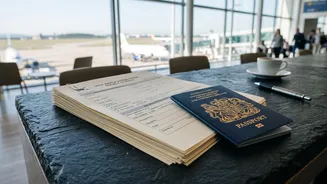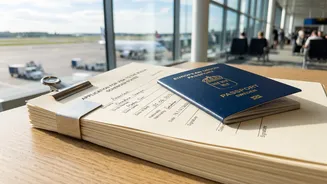




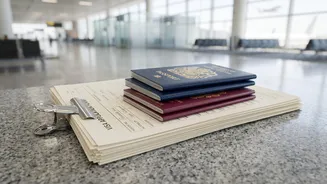

That feeling of sinking dread when faced with a mountain of visa paperwork is becoming a major barrier to global travel. A new survey from the International Air Transport Association (IATA) confirms it: complexity is causing more people to just stay home.
The Growing Problem of Paperwork
For anyone who has dreamt of an international holiday, the first hurdle is often not booking flights or accommodation, but navigating the labyrinth of visa requirements. From proving financial solvency to providing detailed travel itineraries and enduring long waits for appointments, the process can be daunting. It appears this frustration is now reaching a tipping point. According to the 2026 IATA Global Passenger Survey, 43% of travellers have been discouraged from visiting a destination specifically because of its immigration requirements. This marks a significant jump from 33% just a year prior, indicating that the problem is getting worse, not better. The survey, which gathered responses from over 10,000 travellers across more than 200 countries, paints a clear picture: the hassle of getting a visa is actively suppressing the desire to travel.
Complexity is the Biggest Culprit
While the cost of a visa can be a factor, the IATA survey reveals that the sheer complexity of the process is the primary deterrent. Among the travellers who were put off by immigration rules, a majority of 53% cited the complicated process itself as the main reason. This was far more significant than concerns over privacy or the actual cost of the visa, which were each cited by 17% of discouraged travellers. The findings suggest that people are not just unwilling to pay; they are unwilling to endure the stress, uncertainty, and administrative burden that comes with confusing applications, extensive documentation, and opaque decision-making. This sentiment resonates strongly with many Indian travellers, who frequently face some of the most rigorous visa application procedures for travel to Europe and North America.
The Economic Cost of Confusion
This trend is more than just an inconvenience for would-be tourists; it represents a substantial economic loss for destination countries. When a significant portion of potential visitors gives up, the impact is felt across the entire tourism ecosystem, from airlines and hotels to local businesses. Previous studies have shown that restrictive visa policies can lead to a dramatic drop in tourist arrivals. For example, research has indicated that a country requiring a visa can see up to 70% less inbound travel from a specific country compared to if there were no such requirement. In an increasingly competitive global tourism market, countries with simpler, more streamlined entry processes have a distinct advantage. The IATA survey underscores a simple truth: making it easier for people to visit is one of the most effective ways to boost a nation's tourism revenue.
Travellers Want a Digital Solution
The frustration with manual, paper_based systems is coupled with a strong desire for digital alternatives. The survey highlights that travellers are more than willing to embrace technology to make the process smoother. An overwhelming 86% of passengers said they would share their immigration information digitally before departure to speed things up. Furthermore, 60% of travellers now prefer to apply for a visa online, compared to just 25% who would rather go to an embassy or consulate in person. There is also a growing interest in using digital passports and biometrics to create a more seamless airport experience, with 78% of passengers willing to share biometric data if it means skipping repetitive document checks. The message from travellers is clear: they are ready for a modern, digital_first approach to international travel credentials.
A Call for Simpler, Smarter Borders
In response to the survey's findings, IATA is calling on governments worldwide to simplify their entry requirements. The organization is advocating for the elimination of duplicate checks and the adoption of common standards for secure digital travel documents and electronic visas. While over 100 countries now issue e_visas, a lack of standardization in how they are verified creates complexity for airlines, which are often fined if they accept a passenger with incorrect documentation. By moving towards globally accepted digital solutions, governments can enhance security while simultaneously making travel more accessible. IATA's partnership with visa service providers aims to integrate requirement checks and applications into a single digital process, offering a glimpse into a future where visa applications are no longer a barrier to seeing the world.