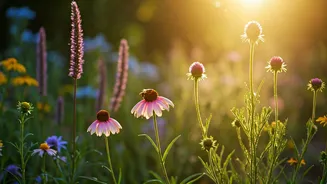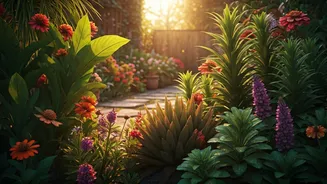





They Drink Responsibly
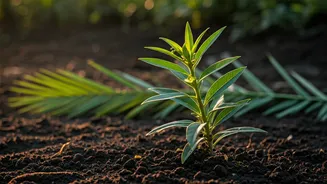
One of the biggest challenges for any Indian gardener is water management. We swing from bone-dry summers to torrential monsoons. Native plants are evolutionary champions, perfectly adapted to these cycles. Species that evolved in drier regions are naturally
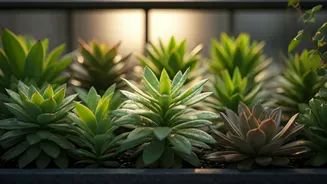
drought-tolerant, requiring far less watering than exotic imports. Think of plants like the sturdy Khejri tree in Rajasthan or succulents adapted to Deccan plateau conditions. They have deep root systems or water-storing leaves, meaning you can put away the watering can more often. This saves water, money, and, most importantly, your time and effort.
They Have Natural Defences
Are you constantly battling pests and diseases on your roses or hydrangeas? Exotic plants often have no natural defence against local insects and fungi, forcing you into a never-ending cycle of spraying pesticides. Native plants, on the other hand, have co-evolved with local fauna for millennia. They have developed their own resistances and are part of a balanced ecosystem. While no plant is entirely pest-proof, you’ll find that natives are significantly tougher and require fewer, if any, chemical interventions. This makes your garden safer for children and pets, and a whole lot less work for you.
They Don’t Need Special Treatment
Forget buying bags of expensive, specially formulated potting soil or fertilisers. A plant native to the Konkan coast is already adapted to its saline, sandy soil. A Himalayan native is used to rocky, acidic conditions. Because these plants are already at home in your local soil, they thrive without constant amendments. They know how to extract the nutrients they need from what’s available. This ‘plug-and-play’ aspect is a game-changer. You get healthier, more robust plants without the recurring cost and labour of trying to change your garden's fundamental nature.
They Create a Living Ecosystem
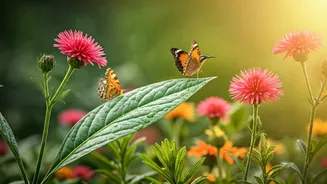
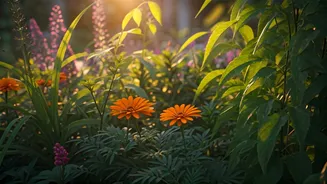
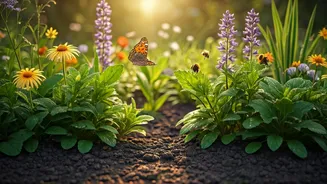
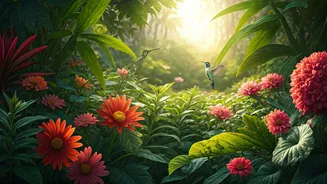
A garden filled with native plants is more than just a pretty space; it’s a vibrant, living habitat. These plants provide the right kind of nectar for local bees, like the Indian honey bee, and seeds for birds like sunbirds and bulbuls. Many native species are also host plants for the caterpillars of beautiful Indian butterflies. By planting natives, you are rolling out a welcome mat for local wildlife, turning your balcony or backyard into a miniature biodiversity hotspot. The reward is a garden filled with the sound of birdsong and the flutter of wings—a far more dynamic and engaging experience.
Finding Your Local Superstars
So, how do you get started? The key is to think regionally. 'Indian native' is too broad a category. A plant from the Western Ghats won't necessarily thrive in Delhi's heat. Start by researching plants native to your specific state or ecological zone. Look for local nurseries that specialise in native species. Online communities and organisations like WWF-India often publish regional guides. Look for beauties like Parijat (Night-flowering Jasmine) for its incredible fragrance, Palash (Flame of the Forest) for its stunning spring colour, or Shankhpushpi (Asian Pigeonwings) for a hardy, beautiful flowering vine. These plants offer unique beauty that is authentically Indian.