




From a Meal to a Main Event
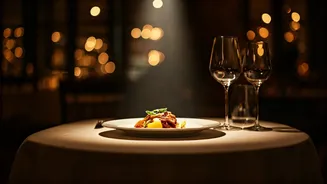
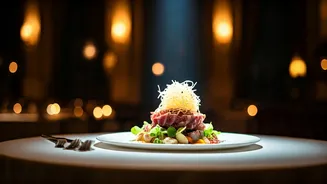
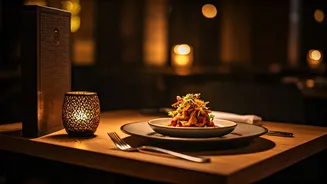
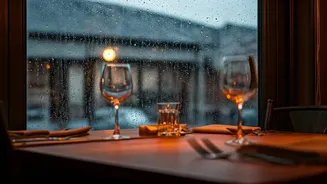
Forget the quiet clinking of cutlery and hushed conversations. The new restaurant pitch is an immersive spectacle where your meal is just one part of the performance. This trend, often called 'experiential' or 'theatrical' dining, combines gastronomy
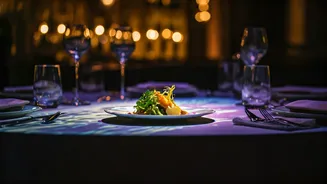
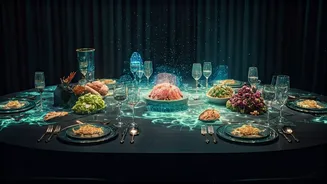
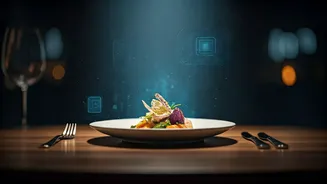
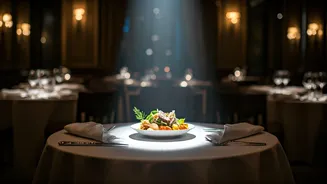
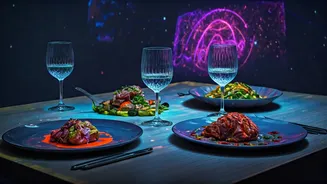
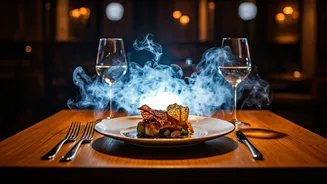
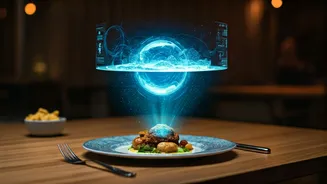
with storytelling, art, and interactive elements to turn a simple dinner into a multi-sensory event. We're not just talking about a musician in the corner; we mean 3D-projected animations on your plate, storylines that unfold between courses, and dining rooms that transform with light and sound. In cities like Delhi and Mumbai, establishments are blending culinary arts with performance, creating spaces that feel more like a stage than a traditional restaurant. The goal is to feed not just your appetite, but your imagination too.
Why Dining Demanded a Drama Boost
Several factors are fuelling this hunger for experiences. Modern diners, particularly younger generations, are seeking more than just a well-cooked meal; they crave unique, shareable moments. The 'experience economy' has officially hit the dining table, with nearly half of diners more likely to book a restaurant if it offers something unique. In a crowded and competitive market, a theatrical concept provides a powerful edge, allowing restaurants to charge a premium and generate buzz. Furthermore, there's a sense that a night out needs to feel worth the expense and effort. Diners want to be transported and entertained, making the meal an event to remember rather than a transaction. It’s a strategic response to a world where customers seek stories and emotional connection with their choices.
The Show on Your Plate
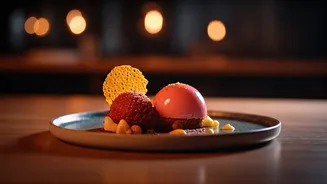
So, what does this look like in practice? In India, the trend is taking vibrant form. At Dramique in Delhi, diners are immersed in a world of mystery and sensuality, where the menu is inspired by Pan-Asian and European cuisines and the plating is designed in dialogue with set design and music. In Mumbai, Carnival by Trèsind presents a multisensory performance where every dish is a burst of colour and drama, turning the meal into a festival of flavours. Another prominent global example that has found success in Delhi, Mumbai, and Goa is Le Petit Chef. This experience uses 3D projection mapping to bring a tiny, thumb-sized animated chef to life on your tabletop. He 'cooks' your meal right before your eyes, taking you on a visual journey before the real dish is served. Other concepts, like the 'New India Lodge' pop-up, have transported guests to 1940s India, making them characters in a story that unfolds over a five-course meal representing different regions.
Is the Food the Star or a Supporting Act?
As restaurants lean into spectacle, a key question arises: does the theatre overshadow the food? The most successful ventures understand that the performance must enhance, not replace, the culinary quality. The theatrics are intended to build anticipation and create a narrative around the ingredients, ultimately making the flavours more memorable. However, these experiences often come with a hefty price tag, with tasting menus costing a significant amount per person. The challenge for chefs and restaurateurs is to strike the perfect balance, ensuring that the visual drama and storytelling are matched by exceptional food. When the synergy is right, the result is a cohesive and deeply engaging experience. But if the food falls flat, the 'theatre' can quickly feel like an expensive gimmick. The best concepts prove that gastronomy and performance can be equal partners in a delicious double act.