
Prioritise Detachable and Convertible Designs
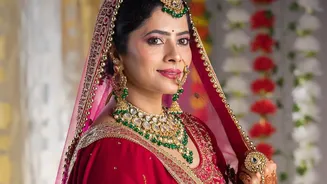
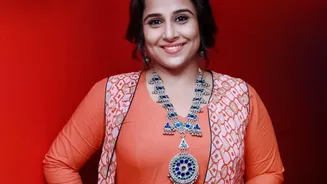
The most intelligent way to ensure reusability is to opt for multi-functional jewellery. Many modern jewellers now offer innovative designs where a single piece can be worn in multiple ways. Think of a heavy bridal necklace where the central pendant can be detached
and worn with a simpler chain for a pre-wedding dinner. Some sets feature layered necklaces, like a choker and a longer 'rani haar', that can be worn together for the main ceremony and separately for the reception or sangeet. Earrings might come with detachable elements, allowing you to go from a full, formal chandelier for the wedding day to a simple stud for a smaller puja. This 'invest-in-one, get-many-uses' approach provides maximum value and versatility.
Choose Neutral Palettes and Timeless Stones
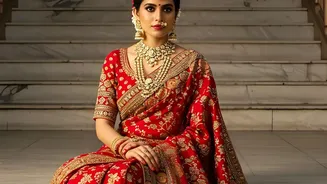
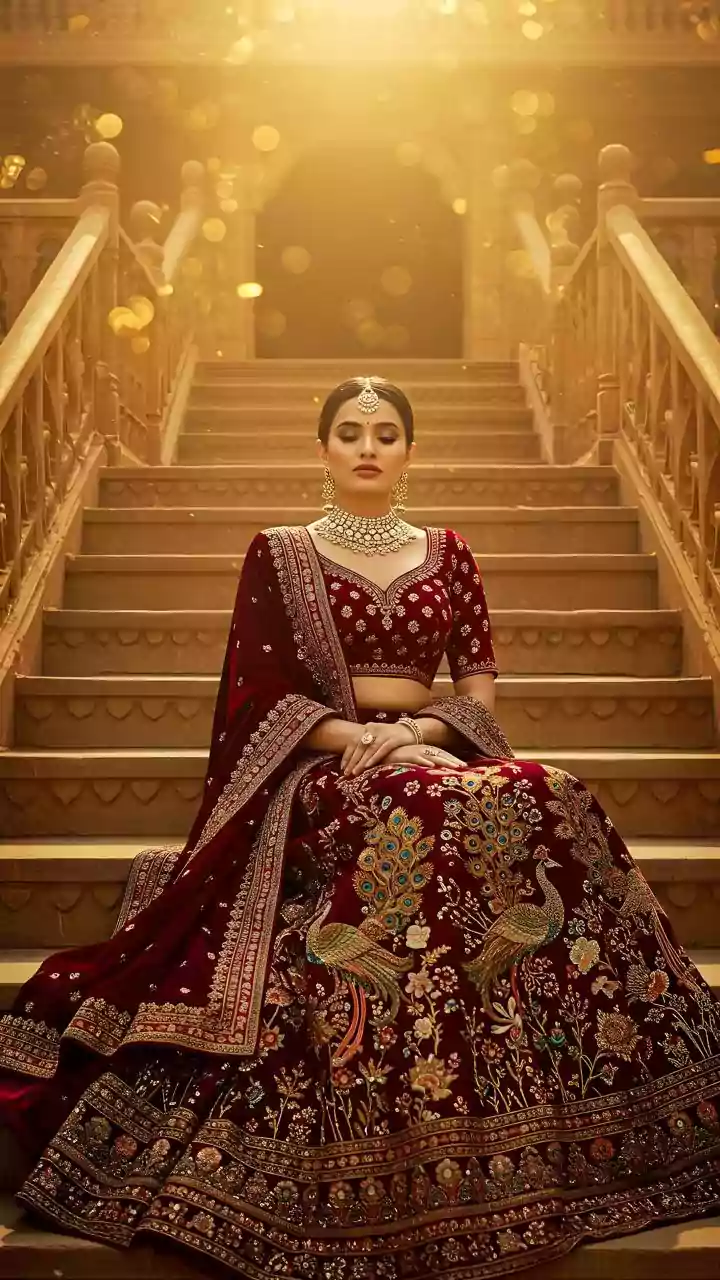
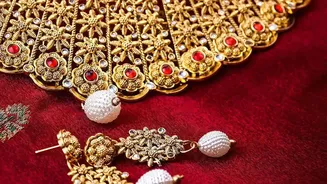
While colourful meenakari and gemstone jewellery are beautiful, they can be difficult to pair with multiple outfits. For your core investment pieces, consider neutral and classic options like polki (uncut diamonds), kundan, and pearls. These elements have a timeless appeal and pair effortlessly with a wide spectrum of colours, from a deep red lehenga for the wedding to a pastel gown for the reception. A classic polki or kundan choker, for example, is a heritage piece that complements both traditional and contemporary silhouettes, ensuring it remains a staple in your collection long after the wedding.
Master the Art of Strategic Layering
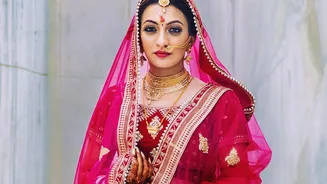
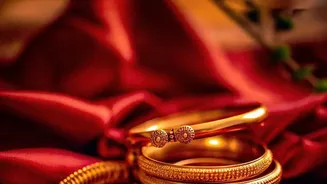
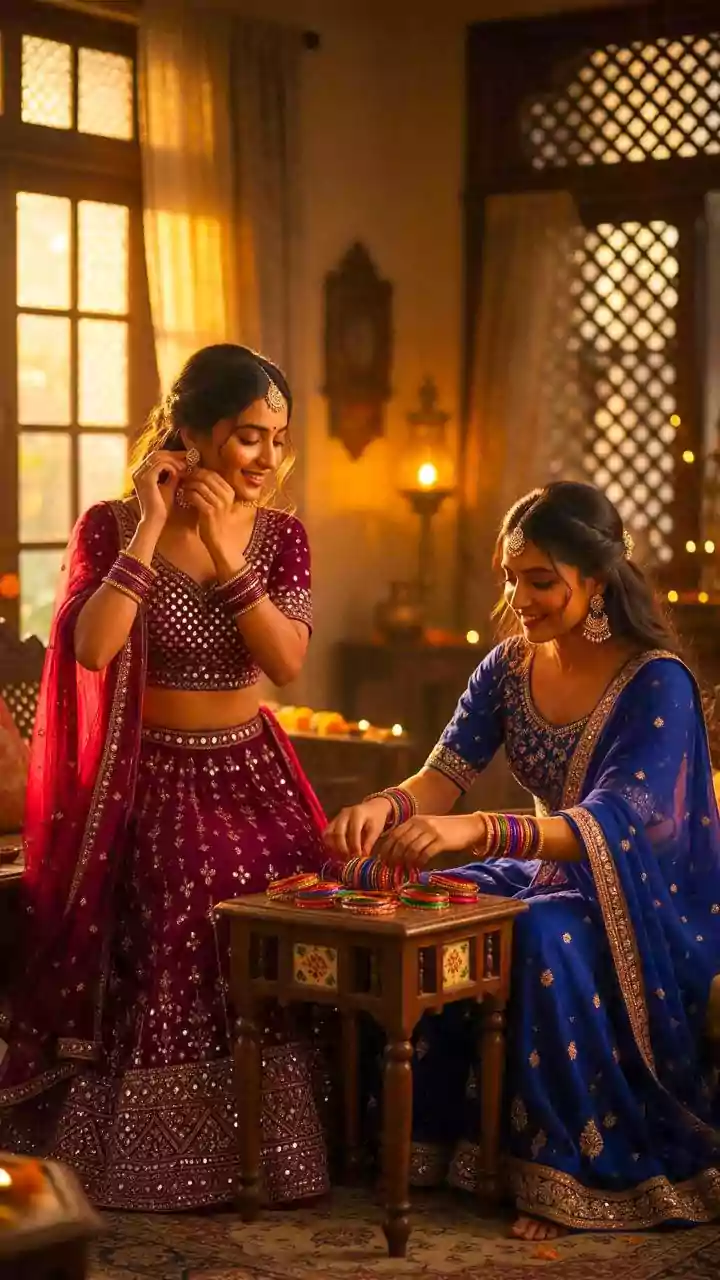
The secret to creating different looks with the same core pieces lies in styling. Layering is a powerful tool in your style arsenal. For the main wedding ceremony, you might wear a heavy choker layered with a long 'satlada' or 'panchlada' haar for a regal look. For the sangeet, that same choker can be worn solo for a chic, impactful statement. Similarly, a set of traditional gold bangles can be stacked with glass bangles for a festive look at one event, while just a few elegant kadas can be worn for another. This mix-and-match approach allows each piece to have its own moment to shine across different functions.
Invest in Classic, Standalone Pieces
Beyond complete sets, focus on acquiring strong, standalone items that have high repeat value. A pair of statement 'chaandbalis' or 'jhumkas' can elevate any outfit, whether it's for a wedding function or a future festive occasion. A beautiful, bold cocktail ring or a classic 'kada' bracelet works just as well with a heavy bridal lehenga as it does with a simple silk sari or even western wear. These are the workhorses of a reusable jewellery trousseau. Instead of buying a fully coordinated set where every piece is elaborate, curating a collection of individual statement items gives you more freedom to create unique combinations.
Balance Heavy and Light Pieces
A common mistake is buying only heavy, ornate jewellery that feels appropriate for the main wedding day but is too cumbersome for other events. A smart strategy is to plan your jewellery for each function. Reserve your most elaborate, heavy set for the wedding ceremony itself. For events like the mehendi or haldi, which often involve more movement and dancing, opt for lighter, more comfortable options. This could mean floral jewellery, delicate pearl sets, or single statement earrings. This not only ensures comfort but also allows you to showcase a wider range of styles throughout the celebrations.
Think Beyond the Wedding Trousseau
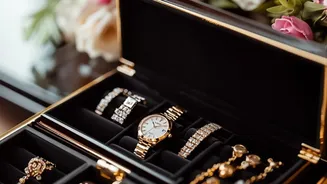
When making a selection, ask yourself: 'Will I wear this again in five years?' This simple question can guide you toward more timeless investments. A diamond tennis bracelet, a strand of high-quality pearls, or classic diamond studs are pieces that transition seamlessly from bridal wear to everyday elegance or special occasions like anniversaries and parties. The goal is to build a jewellery collection that evolves with you, holding memories of your special day while continuing to be a part of your life's celebrations for years to come.