

The Post-Monsoon Paradox
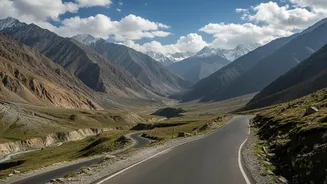
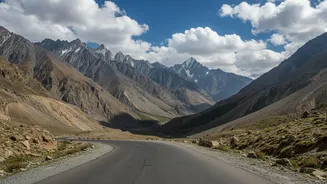
September on the Manali-Leh route is a deceptive time. While the heaviest rains have often passed, the aftermath is what poses the real threat. Months of monsoon showers leave the tarmac broken, create fresh landslides, and severely undercut road foundations.
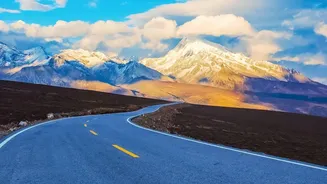
Ladakh is a rain-shadow region, meaning it receives little rainfall itself, but the approach from Manali is highly susceptible to monsoon damage. The Border Roads Organisation (BRO) works tirelessly, but riders and drivers can still expect stretches of gravel, mud, and roads that have been washed away, making the journey unpredictable. What looks like a clear, sunny day can be misleading when the road beneath is unstable.
Treacherous Water Crossings
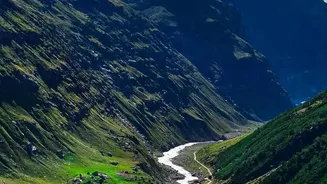
One of the most iconic and dangerous features of a late-season trip are the water crossings, or 'nalas'. While some minor streams exist year-round, the late monsoon period sees them at their most ferocious. These are not gentle streams but powerful torrents of icy glacial melt mixed with rainwater. The water level in these crossings can rise dramatically in the afternoon as the day's sun melts the ice and snow at higher altitudes. Crossing them in the morning is highly advised. A seemingly shallow crossing can hide large, vehicle-displacing boulders, and stalling your engine in the middle of one can be disastrous for your vehicle's electrical systems and engine, potentially leaving you stranded miles from help.
The Menace of Black Ice
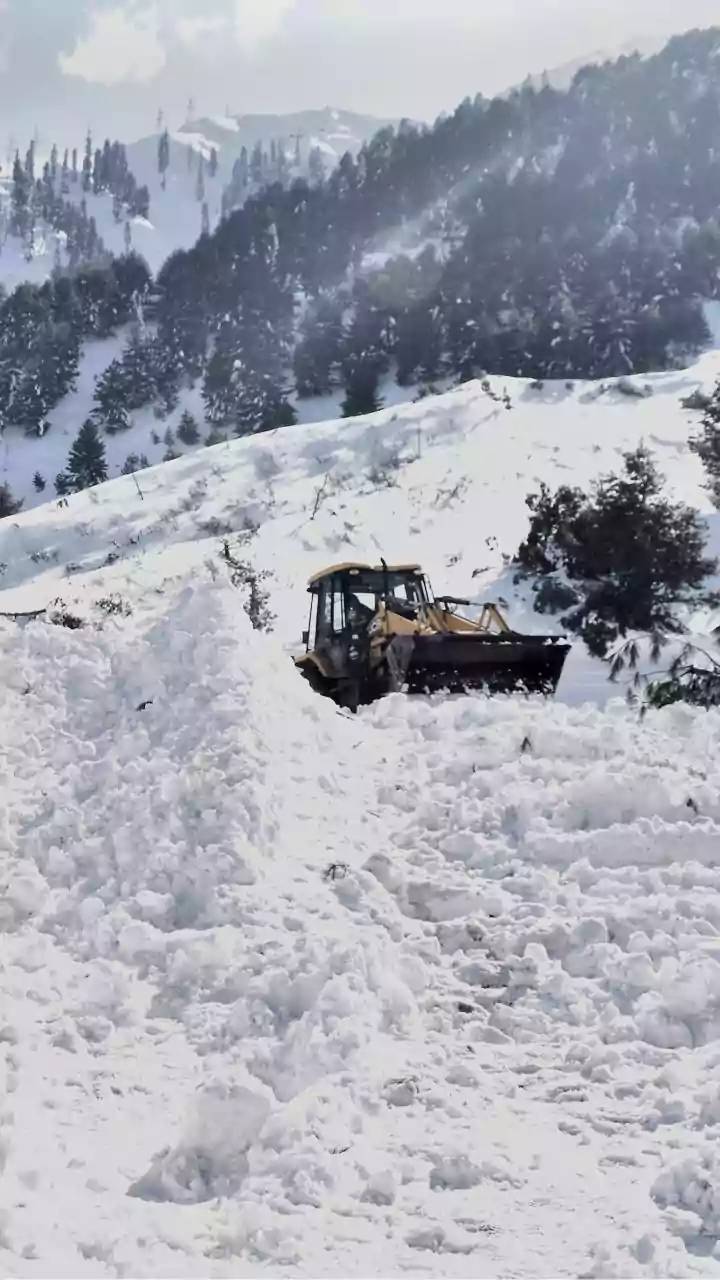
As September progresses, temperatures at high passes like Baralacha La and Tanglang La can plummet below freezing, especially during early mornings and nights. This temperature drop, combined with moisture from receding rains or small streams on the road, creates a nearly invisible and extremely dangerous hazard: black ice. It often forms in shaded sections of the road or after sunset. For a motorcyclist or even a four-wheeler, hitting a patch of black ice can lead to an instant loss of control with catastrophic consequences on the winding mountain roads. This makes driving during low-light hours particularly risky.
Essential Check: Brakes & Tyres
Your vehicle's first line of defence are its tyres and brakes. On this terrain, they are non-negotiable safety equipment. Tyres should have at least 70-80% tread depth to provide adequate grip on slush, gravel, and slippery surfaces. All-terrain tyres are highly recommended. Equally important, your brake pads and fluid must be in top condition. The journey involves long, steep descents with countless hairpin bends, like the famous Gata Loops. Relying on worn brakes here is a fatal risk. Before you leave, get them professionally inspected and replaced if there is any doubt.
Essential Check: Engine, Battery & Electricals
High altitudes, which exceed 17,000 feet on this route, starve an engine of oxygen, causing a noticeable drop in power. Get your engine serviced, change the oil, and ensure the air filter is clean or new. Cold temperatures, especially during morning starts in places like Sarchu, put immense strain on the battery. A weak battery that works fine in the city might fail you completely at 15,000 feet. Ensure your battery is healthy and terminals are clean. All electrical components should be checked, as water from crossings can cause short circuits.
Essential Check: Suspension & Underbody
The Manali-Leh highway will punish your vehicle's suspension. The roads are a mix of smooth tarmac, broken patches, and unpaved sections. A thorough inspection of shock absorbers, linkages, and bushings is crucial. A failed suspension component can make the vehicle uncontrollable. Also, take a look underneath your vehicle. Given the high chance of hitting rocks in water crossings or on bad road sections, check for any low-hanging parts that could be damaged. A sump guard or underbody protection plate is a wise investment for this trip.